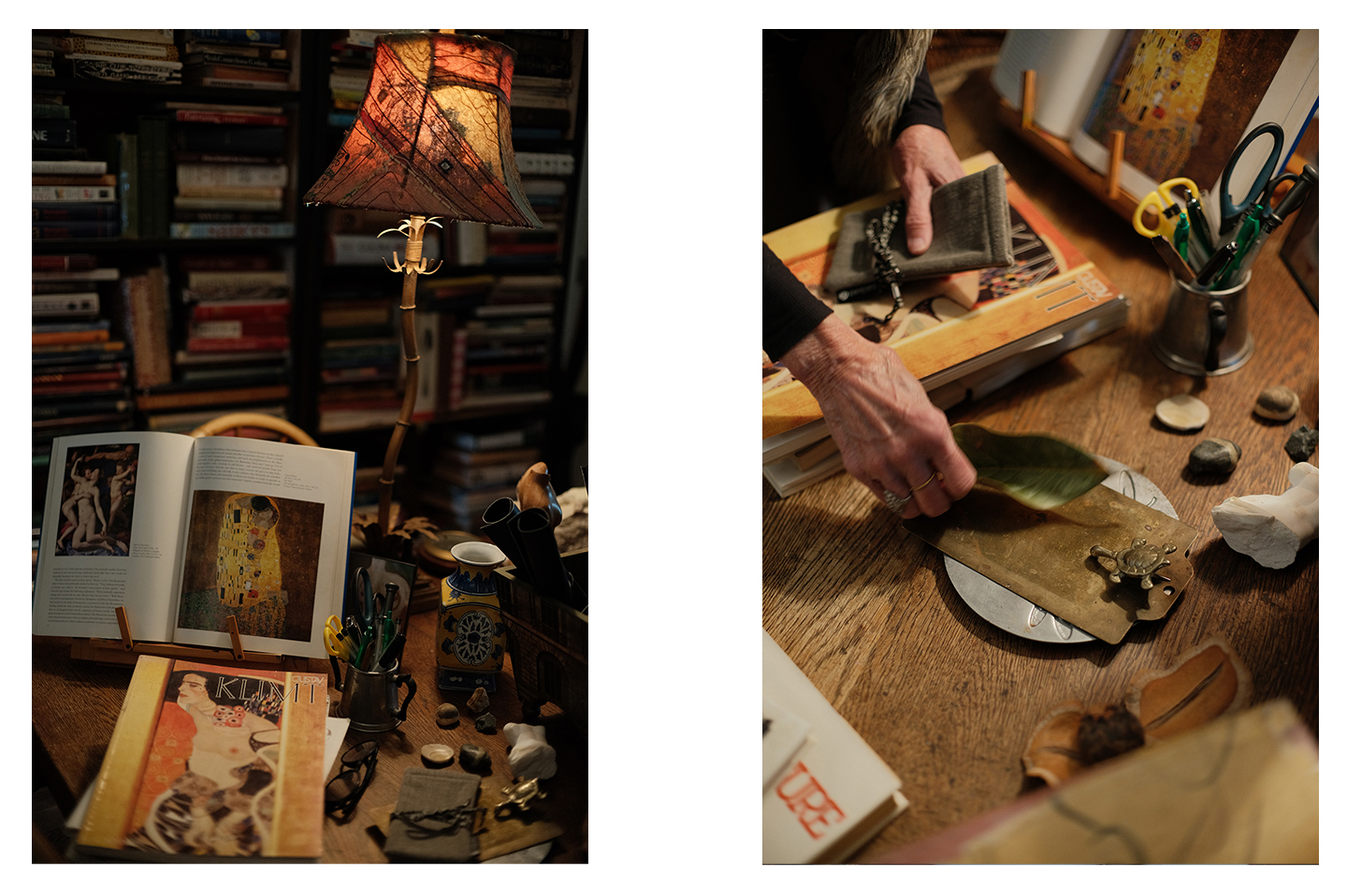
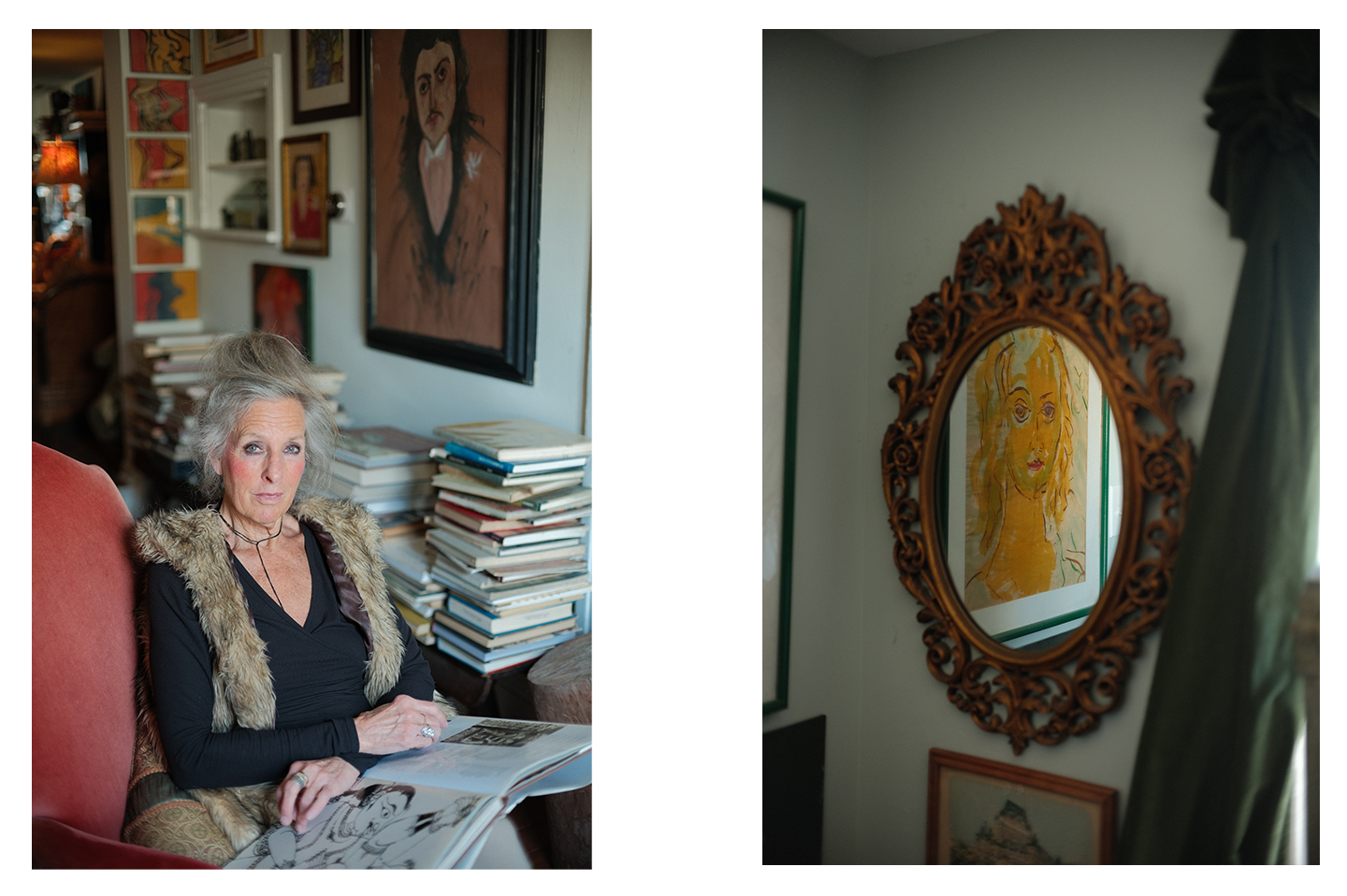
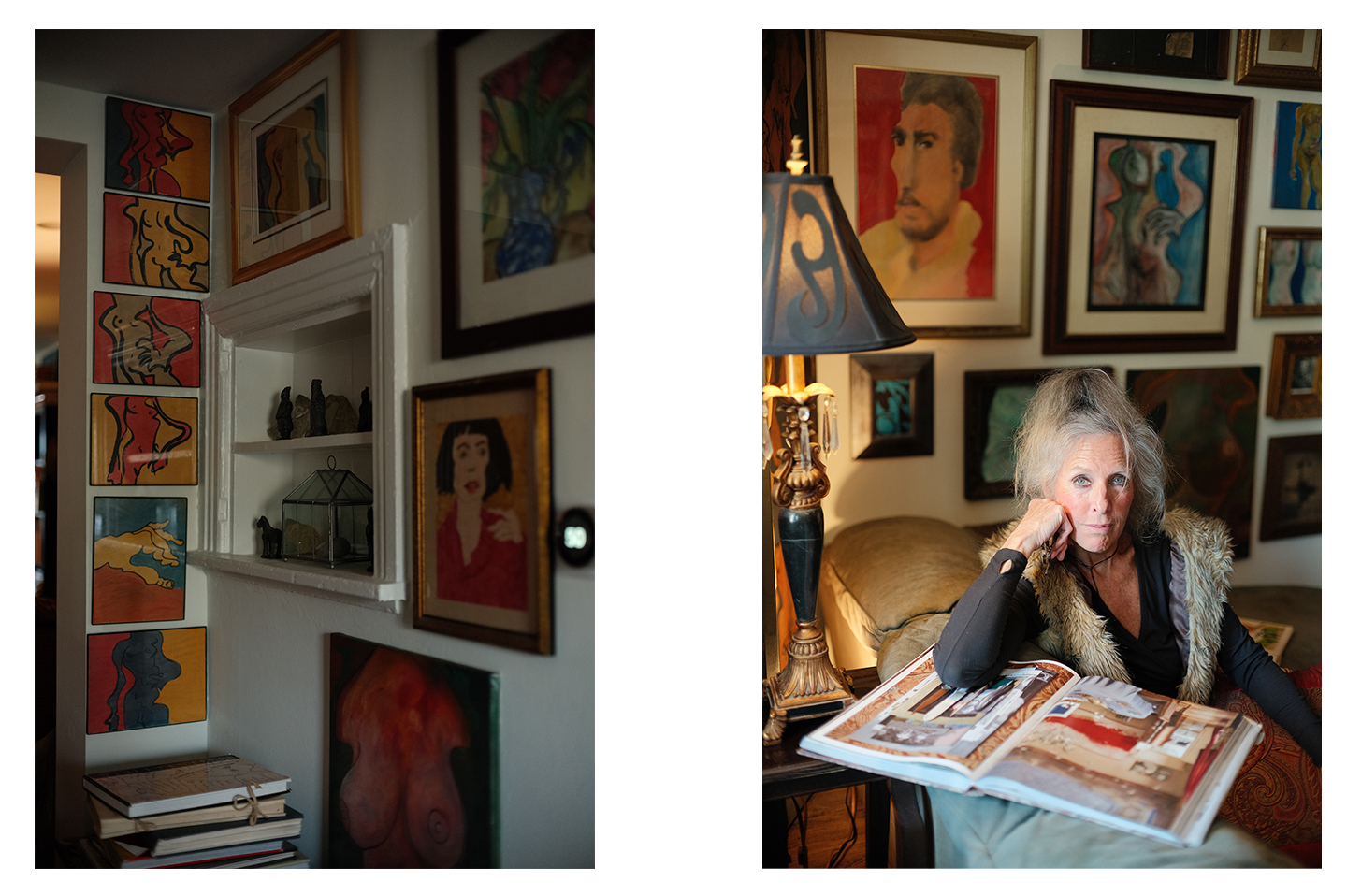
When you were a child, what did you dream of becoming?
When I was a child I did not dream of becoming because I already was…what I dreamed about was me being in situations I thought would be simultaneously interesting and exciting….and there were many of those…
What led you do this field or way of working?
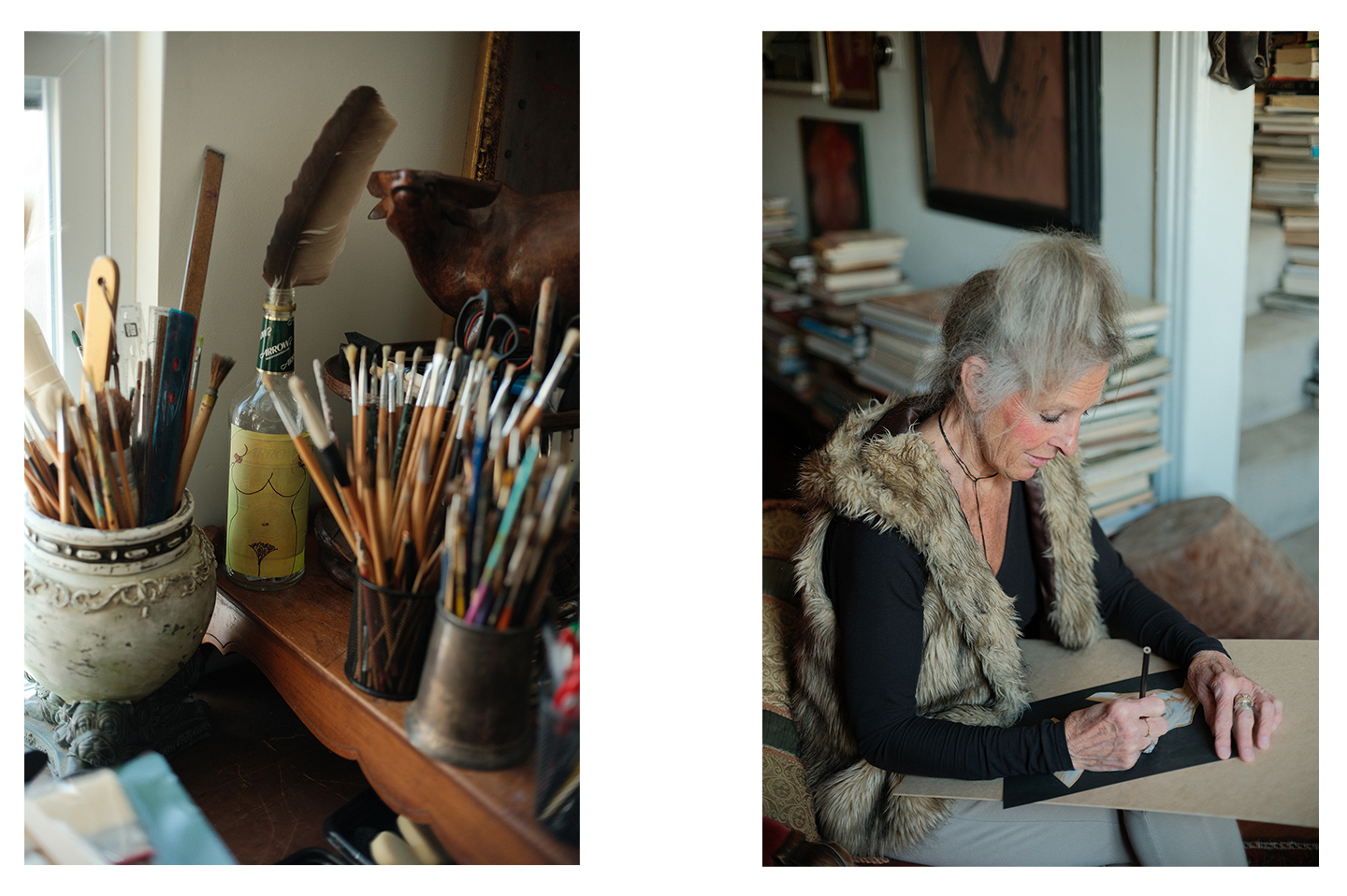
For me this is not my field or work…it is play and pleasure…
What keeps calling you back to the human form?
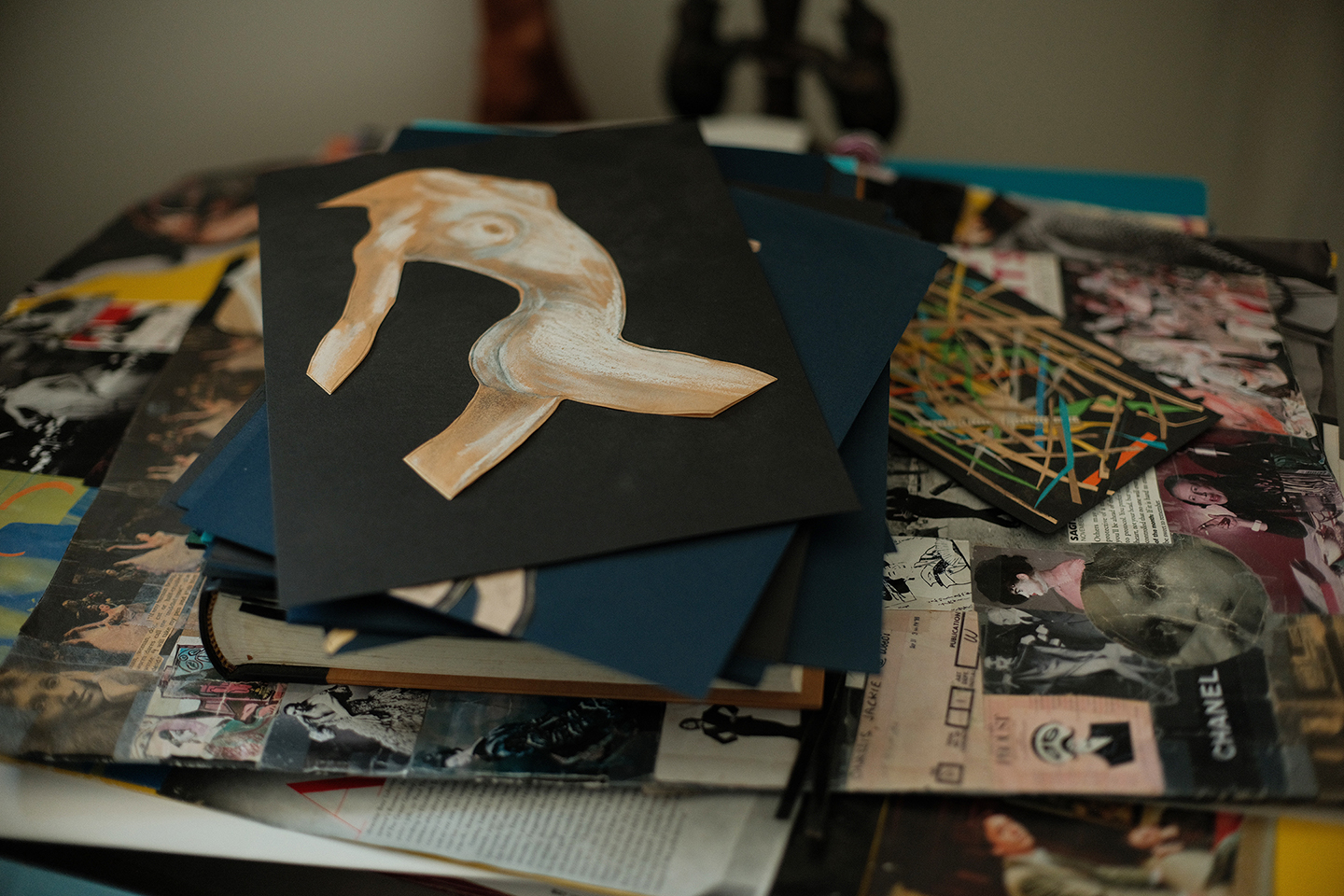
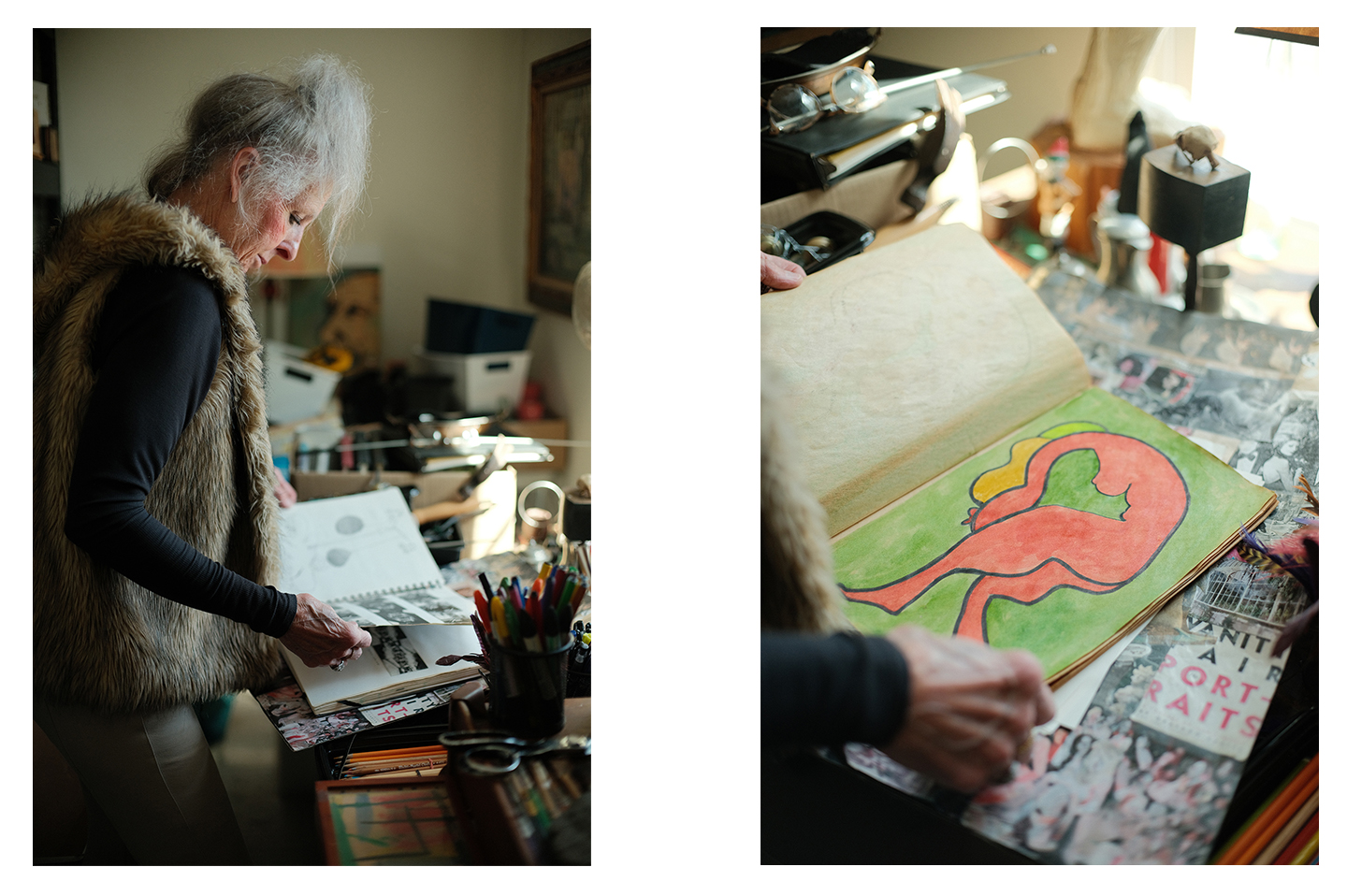
I don’t see in a straight line…I see in abstraction and I feel movement…the human form is great fun exaggerating right down to the big toe.
What emotions tend to surface when you’re creating?
The emotional response varies…just doing a simple drawing can become a psychological drama and encounter…it’s always a surprise!
How do you stay motivated during challeging times?
If I’m not motivated I do something else…
What does a typical day in your life look like right now?
No day is ever the same but everyday in the morning I do movements to music while I drink a mug of coffee with lots of whipped cream…
Who is a woman, from the past or present , that your admire or find inspiring?
I don’t like choosing “one” of anything from so many possibilities but I would have to say my mother who no longer physically exists and faced lots of challenges from me for lots of years. And currently I will say Venus…she is past, present and future and a daunting contemplation…
What advice would you give to women pursuing a creative life today?
I don’t give advice but how will you know unless you try it???
When you were a child, what did you dream of becoming?
I have always dreamt of performing! I wasn’t always sure if I would be a singer or a dancer (I originally wanted to be a background dancer for pop artists), but early on I eventually landed on being a vocalist and I have been singing ever since.
What first drew you to opera, and when did you know it was the path you wanted to follow?
I stumbled upon opera in my early teenage years. Growing up listening primarily to Motown and soul music, opera was completely foreign to me at first. But the more I studied and sang, the more my voice naturally moved in a classical direction. I am of the mindset that most voices can learn to sing multiple styles if you train the mechanism properly, but like people, voices have their own temperaments. Classical singing came to me more naturally than any other style—it just felt right.
After training formally for a while, I discovered my connection to opera was ancestral. My great-grandfather, who immigrated from Italy, loved opera and listened to the Met broadcast religiously every Saturday morning, so when I made my debut and became part of a broadcast myself, it felt like coming full circle.
Were there pivotal moments or mentors who shaped your journey as a singer?
Absolutely! I’ve had a few mentors who shaped my path so profoundly that I wouldn’t be where I am today without them. My first musical mentor came into my life when I was 12 years old, and I was fortunate that each mentor who followed appeared at just the right moment throughout my development. They were spaced a few years apart, perfectly timed, like passing a baton from one to the next. Looking back, I think what I miss most about being younger is having that many mentors and that level of support around you as you’re coming up. Once you’re more established in the field, it’s a different kind of journey.
What has been the most meaningful role or performance in your career, and why?
I have favorite roles and favorite composers, but two experiences stand out—both rooted in music that have international influences and that are outside of the standard operatic canon.
The first was A Thousand Splendid Suns at Seattle Opera, written by composer and now dear friend Sheila Silver, based on Khaled Hosseini’s novel. The story is profound on its own, but coupled with Sheila’s music, it jumped off the page. Indian music is wildly complicated – it was also quite possibly some of the most difficult music I’ve ever learned. The opera is set in Afghanistan, so the score incorporated Indian ragas with a traditional tabla player joining our Western classical orchestra. Even more amazing was that it was an entirely woman-led team, with our director being Roya Sadat, an Afghan film director who fled the Taliban herself. The entire experience was incredible.My other obvious top experience was Ainadamar at the Met last year, which was intertwined with the story of Federico García Lorca in Spain and featured music heavily influenced by flamenco. I was in a role that combined two passions of mine: song and dance. It was absolutely exhilarating.
You’re also a teaching artist. What do you hope to pass on to your students, and what do they give back to you in return?
I love my students! My studio ranges from ages 9 to 92, with students from all different musical backgrounds. What I hope to pass on is a sense of creative autonomy—that they are the creators. I have clear teaching goals, but this isn’t school where they’re told what to do. We reach the same destination through very different paths, and each student’s passions dictate how we get there. That’s what being an artist is really like—we thrive when we lean into what calls us on a soul level, which is different for everyone.Additionally, when I was young, I had to venture outside my circles to find a teacher who could prepare me for the level I wanted to reach. We eventually found her, but it meant driving 1.5 to 2 hours each way every week. When I started my studio, I wanted to be that one-stop spot for people so they wouldn’t have to search as far as I did.My students give meso much—they remind me to stay flexible, to be present, to cultivate what brings us joy. They make me laugh, they let me into their lives weekly, they trust me to prepare their performances. The list is endless. I’m just honored to play a small part in their musical journey.
Beyond singing, you’re a writer and speaker. How do these parts of your work connect with your music?
Most of my writing and lecturing is deeply rooted in my experience as a performer. I wrote an article for the Huffington Post about a poignant experience overseas that changed my perspective on performing, and when I’m asked to speak or lecture, it’s usually for performers. One of my favorite workshops to teach is one that is a collaboration with a social worker from Penn Medicine called Stage Ready, about performance anxiety and how it affects us on and off stage. That class, as you can imagine, is usually full… Managing nervous system stress is one of the most challenging parts of being a performer.
What advice would you give to women pursuing a creative life today?
Children learn from mirroring, and there is a little girl out there who needs to know she’s free to be herself.
Who is a woman, from the past or present, that you admire or find inspiring?
My favorite artist of all time across all genres is Chavela Vargas, a ranchera singer. She was so defiant and authentic in a time period that found everything about her blasphemous. Ranchera is a genre in Mexico that was traditionally only sung by men—until she came along. Her sound is visceral and imperfect, and I find her authenticity and wildness inspiring.
When you were a child, what did you dream of becoming?
I knew from my earliest years, I would pursue a lifestyle devoted to aesthetics. I grew up in theSouth, surrounded by interesting art, antiques, well-appointed interiors, beautiful gardens andwomen who “dressed”.
As a child, I spent summers at my grandfather’s architectural firm, learning to draft andarranging tile and stained glass samples. My grandparents designed and built a beautifulSouthern home which included a garden for my grandmother’s prize-winning roses andcamellias. Feeling peace and contentment in my surroundings there was a reassurance Iembraced early on. It fostered a natural inclination to develop the skills to help others turn theirenvironments into a clear reflection of their own choices.
How would you describe your personal style, both in design and clothing?
My own style has evolved directly from growing up during the 60s and 70s. As traditional asSouthern culture is, many of our family friends were artists and designers, and my exposure tounconventional interiors and artsy personal style caught my attention instantly. It was a timewhen women wore gloves to cocktail parties, which quickly gave way to miniskirts, patentleather boots and paper dresses. In a similar way, my own style in both interiors and wardrobe,is anchored by traditional tenants, but punctuated with vibrant colors and unexpectedhappenstances. In design, I champion preserving historic structures over new construction.Naturally, I design interiors with heirlooms, vintage pieces and interesting “found” treasures. Ihave a talent for utilizing furnishings one already owns in new and inventive ways. I have aninnate skill for building color stories in both interiors and fashion. I feel an interior and awardrobe should be a natural outcropping of one’s own story. It’s an opportunity to nurture howyou are within yourself into a portrait of your lifestyle.I think of my own style as a relaxed but intentional assemblage, with a few guiderails to keepcheeky collecting from dipping into chaos…
How do you balance functionality with aesthetics in your work?
My background is in architectural space planning and construction, so function has always beena driver in my design process. I spent the first 15 years of my interior design career in LosAngeles designing commercial spaces- restaurants, film industry spaces, restaurants andcorporate offices. This was key to establishing the relational skill set between function andaesthetics. Commercial spaces have safety codes and practical applications to businessworkflows that must be followed. Massaging a floorplan into an aesthetically pleasing design isthe creative and sensory aspect. It’s how my left and right brain work together.
Your garden is such a beautiful reflection of your style—how do you approach designing outdoor spaces differently from indoor spaces?
The design approach to a garden is not a lot different from interiors, although outdoor spacesare a lot harder to control! As with an interior, you first establish how you want a garden spaceto feel. You may also wish to enjoy it from a specific vantage point or long view. It’s the practical parameters that can differ- sunlight, water, (rain, bugs!), accessibility, seasonal shifts,maintenance. I think of each space around our own property as outdoor “rooms” and work toshift them into that end use. It’s always a work in progress because nature will change things ona whim.
Do your clothing choices and design projects influence each other? If so, how?
I’ve had clients ask me more than once if the color palette I was wearing during a presentation was meant to influence their final design decision. It likely was meant to do exactly that…
What draws you to vintage pieces, and how do you incorporate them into yourstyle?
Vintage pieces represent romance, craftmanship and chapters of my life. Quality materials, worn-in, color-drenched fabrics, patterns and textures, both in clothing and interiors are what resonate with me. I’ve collected vintage clothing and furniture since I was a young teenager. My everyday wardrobe spans the 1920s-1990s. There’s not a day that passes when I’m not wearing something vintage. Over time, I’ve inherited unique wardrobe pieces, antiques, interesting artwork, and funny collectibles which hold a great deal of meaning to me. Incorporating those items into my own style has built a rich foundation to carry my life forward. The language of interesting things feeds my soul. I find vintage objects, be it clothing or furnishings, have a “quiet knowing” which suits me perfectly.
What advice would you give to someone who wants to develop their own sense of design and personal style?
Cultivate, strengthen, and listen to your inner voice.
Who is a woman, from the past or present, that you admire or find inspiring?
I truly find every woman who walks the face of this earth inspiring. Women are beautiful,multifaceted, complex, so many things…
I have to say my mother and grandmother both demonstrated how to evolve gracefully throughtheir nine decades of life. They were strong, glamourous, fiercely independent women whoforged their own way to express creativity and beauty in their world. My grandmother wasamong the early graduates of the New York School of Interior Decoration in the 1930s and oneof the first women to practice interior design professionally. My mother, an accomplished,professional chef and designer herself, was forever at the forefront of the culinary anddecorative arts. It was she who quickly dropped her cocktail gloves in favor of paper dressesand later, a chef’s hat…
I also find my daughter admirable. Her commitment to kindness, self-reliance and a centeredconnection to her inner self is a light in today’s world.
You can find Jane on Instagram at @designcourtesan and @lunar.meadows.
Meet Laura, an interior photographer and designer.
When you were a child, what did you dream of becoming?
When I was a child, I dreamed of becoming many things. At different points, I imagined myself as a graphic designer (which I ended up doing!) an animator and writer, and even working in wildlife management, helping to protect and preserve nature. Each of these dreams reflected my curiosity and passion for creativity, storytelling, and the natural world. And, I’m fortunate that in many ways, I’m still engaged in most of these interests in my adult life.
What inspired you to pursue this particular path?
After spending 15 years in the graphic design industry, I started to realize just how much of my free time I spent learning about interior design, architecture, and photography. It turns out that the subjects that dominate your bookshelf or Pinterest boards are telling you something.
I’ve always had a deep interest in space and environment — how people live around the world, the environments they create, and the ways those spaces affect their emotions and interactions.
I’m the kind of person that tends to embrace opportunities as they come rather than charting out 5- or 10-year plans. When we moved from Arizona to Pennsylvania, a design/build company in my area was hiring an interior designer. We were halfway through our home renovation (which was a complete gut of a 1970 home) and I had taken interior photos of the renovations I had done at our home in Arizona. With these photos as my portfolio, I applied, got the job and took the leap into the world of interior design.
After about a year at the company, there came a point when they were in need of a new photographer to photograph their completed projects for social media and marketing. Given my love and experience for photography—especially capturing my own home and life—I offered to take the photos. That moment sparked my career in interior photography, which I’ve come to love just as much as interior design.
To sum this all up, I’ve learned over the years to take my interest seriously and not be afraid to put myself out there and try. It is hard to do, but in my experience these leaps have paid off.
What tool, object, or ritual is essential to your workday?
With two young kids and a number of active work projects underway at any given time, my workday is never the same routine. One ritual that I love is making an afternoon espresso (and usually chocolate!) at home. It makes me pause from my busy workday and appreciate simple pleasures.
What’s the most valuable piece of advice you received when starting your journey?
“You can do it” is one of the most basic and obvious pieces of advice I’ve been given, but it can also be the hardest to believe. It was especially hard for me to believe as I switched careers after having kids. But having someone tell you that you have all of the tools and capabilities to achieve what you are looking for is so valuable and really, so true.
What has been the most rewarding part of your journey so far?
Seeing my interior designs come to life in real spaces is truly mind-blowing. It’s especially remarkable since I’m not the one handling the installation. I find myself just as amazed as the clients when I see everything that has started in my mind come together in the real world.
With photography, there’s a unique moment when the shot is perfectly set up, and I look through the viewfinder, knowing it’s going to be beautiful because the composition and lighting are hitting just right. In that instant, I feel a rush of joy and a deep sense of relief—it’s incredibly rewarding to capture that moment.
Can you share an example of a mistake that turned into a valuable lesson or a stepping stone to success?
I make mistakes pretty much every day! What I’ve learned is to reframe mistakes as just an inevitable part of learning by doing. Mistakes are stepping stones to improvement, knowing that with each one, I become more proficient and confident in my work. Also, when you make a mistake and survive it you realize that you’re more resilient than you may think.
I know that not naming a mistake may seem like a cop-out of an answer, but actually I think remembering what we learn from mistakes is more important than remembering or dwelling on what the mistake was.
How do you stay motivated during challenging times?
I read once that design is inherently a hopeful practice. The act of creating something new is a belief that what you’re making will improve the future. Think about something as mundane as renovating a room in your house. When you’re redesigning, you’re actually saying, “This present situation can be improved. This space will be better through this work.” That’s optimistic and hopeful. When you’re taking a photo, you’re really saying about the thing with photography, “This thing is worth preserving. This can be inspiring to others.”
When you look at design and photography this way, you realize that even in challenging or even dark times, there’s things around you that can be improved for the future and at the same time, there’s beauty around you that’s worth appreciating and preserving. That motivates me to keep creating.
Who is a woman, from the past or present, that you admire or find inspiring?
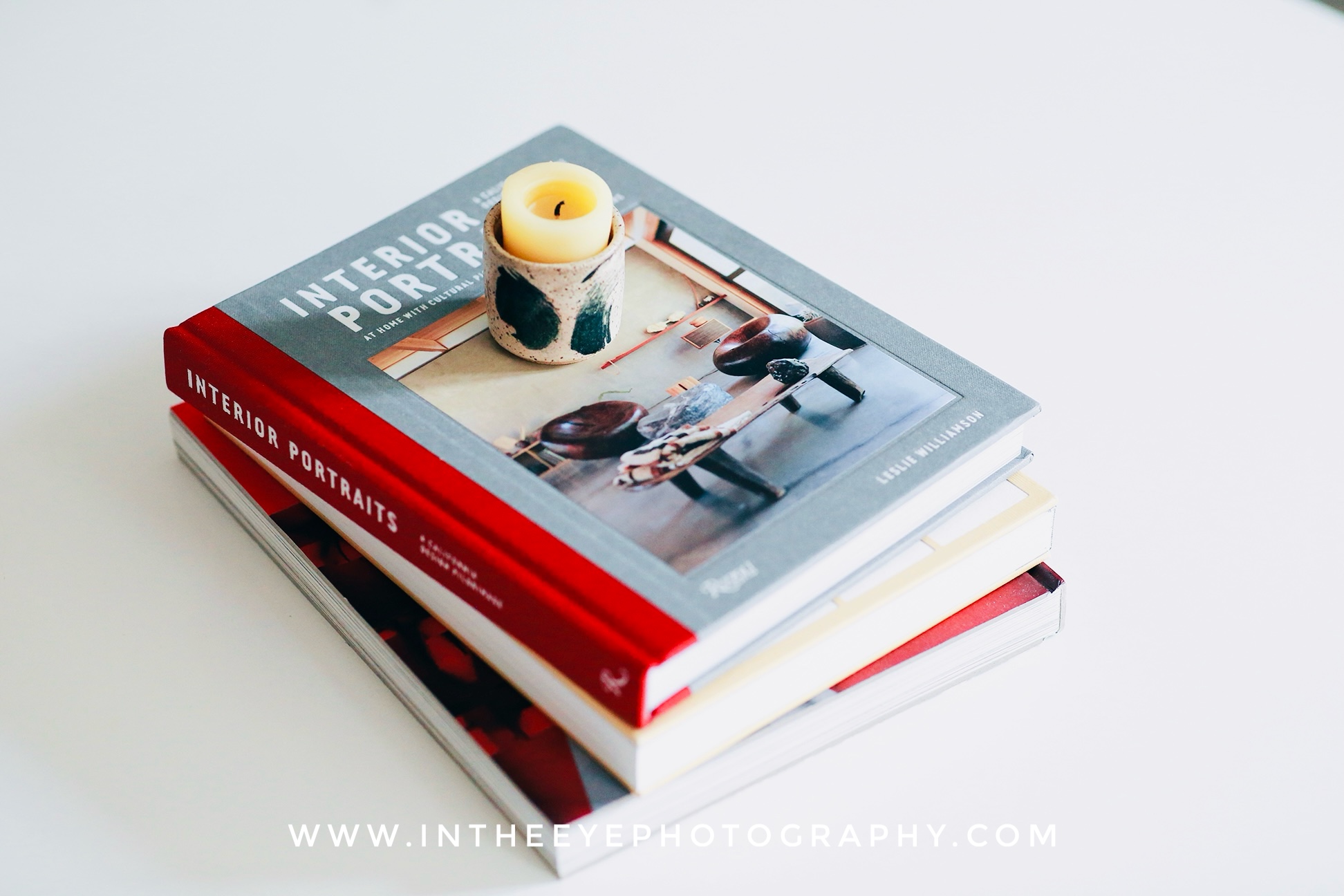
Leslie Williamson is a photographer and author who has carved her own path, creating projects that reflect her own unique passions. She seamlessly blends photography, design, interiors, writing, and travel to tell stories. She goes beyond simply capturing beautiful spaces; she documents the lives and narratives of the people who inhabit them, weaving their stories into her photography and writing.
Her work inspires me because it shows that we don’t have to conform to predefined job roles. Instead, we have the power to design our own careers and lives by merging our passions into something meaningful—both for society and for ourselves.
Who would you say has been the biggest influence on you as an artist?
I am motivated by the remarkable narratives and concepts of the work created by the Artists’ Louise Bourgeois, Gerard Richter, and Nari Ward.
The collective day to day push and response that I receive from my family, friends, supporters, and collectors to keep going Is really what continues to influence my work.
Where does your creative process originate?
My entire work process is an emotional response.
What was a major influence in your sculptural pursuit? The desire to create recognizable forms.
What project are you working on? I am balancing a few projects right now; priming work for exhibit, exploring new materials and collaborations, and completing a series of paintings that have been on the back burner for a couple of years.
What initially attracted you to textiles as a medium?
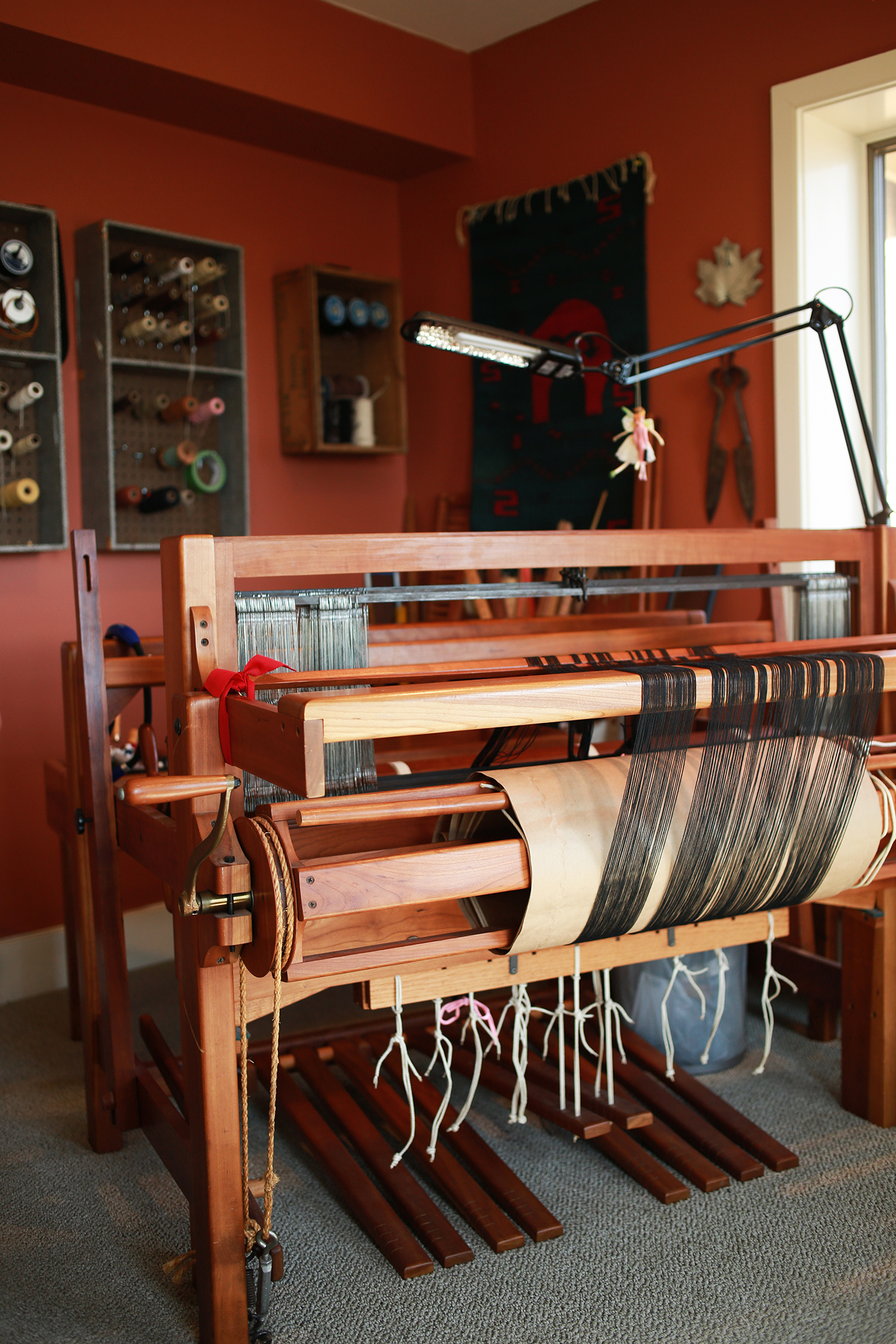
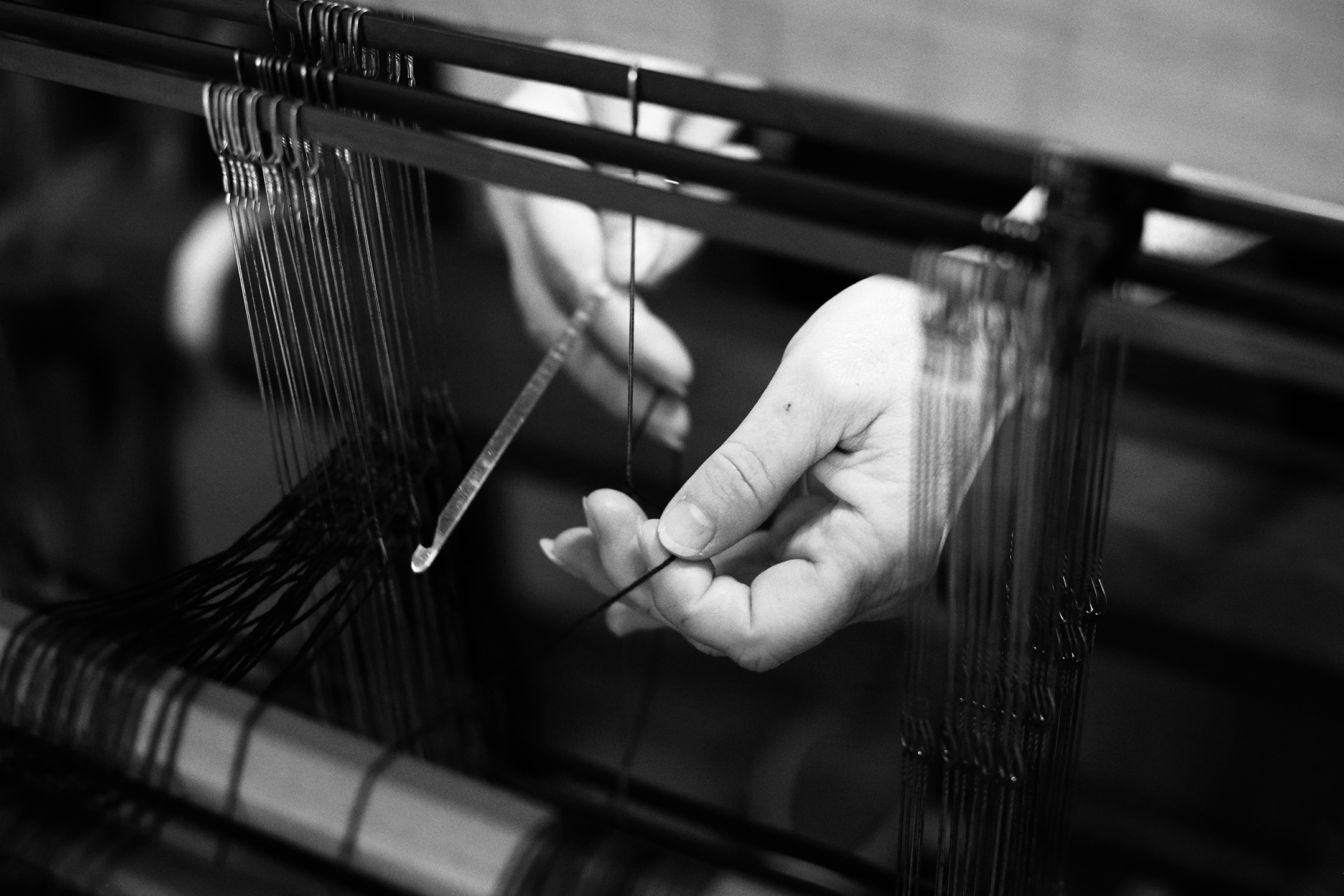
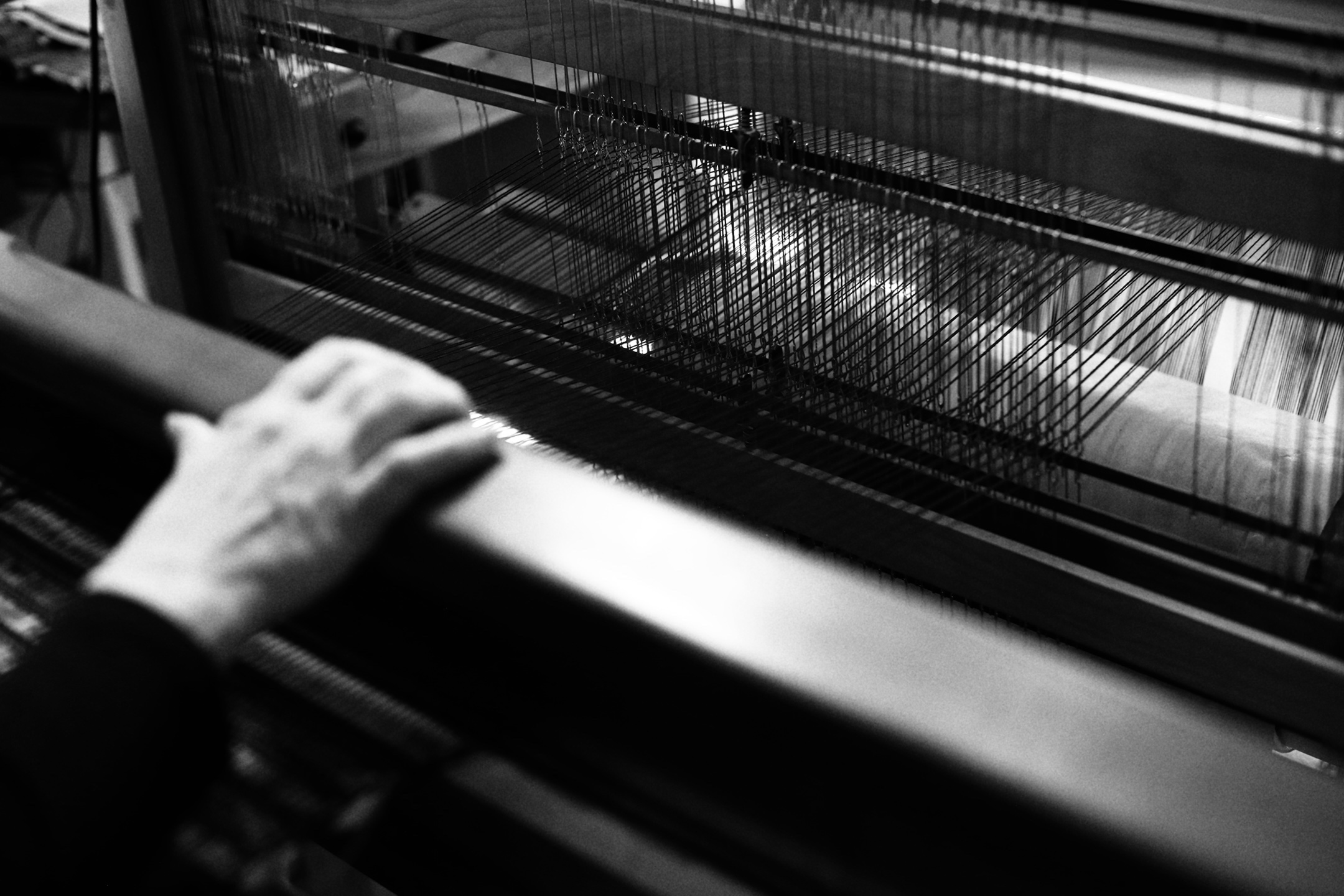
I was always drawn to the weavers at artisan shows. Not just the texture and colors but the mechanics fascinated me. It is a tactile art and has such a rich history not just in this country but throughout the world. It was an important part of the community in early societies. I decided to take a class which led to several more before I felt confident enough to purchase my own loom. Weaving is an organic art in that the loom is made from wood of trees grown from the earth, the fabrics are derived from wool from the animals and the end result provides fabric for rugs, clothing, household linens, etc. full circle.
What or who were your early influences and how has your life/upbringing influenced your work?
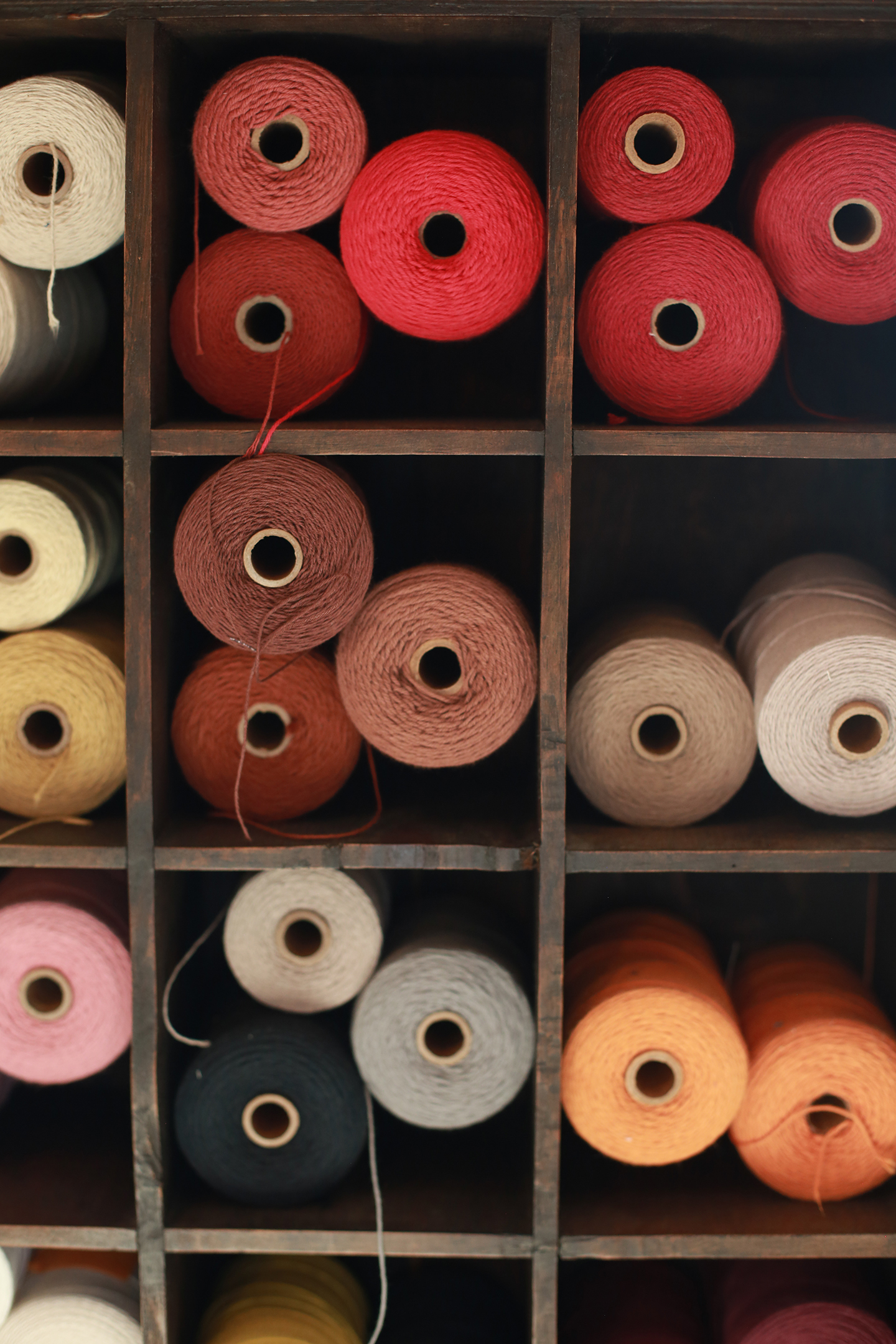
I grew up surrounded by fabric, my mother sewed. She made all of her clothes, my own and even that for my dolls (much of which I still have today). Her sewing table was tucked into an alcove in her bedroom and she allowed me to play amongst the bias tapes, spools of thread, cutting table and loads and loads of material bursting from her dresser. I told myself I would never have a room so cluttered with stuff when I grew up – well there it is – I grew up to have a room dedicated to weaving with a 300 pound floor loom and loads of fabric and tools for my craft all around.
Tell us a bit about your process
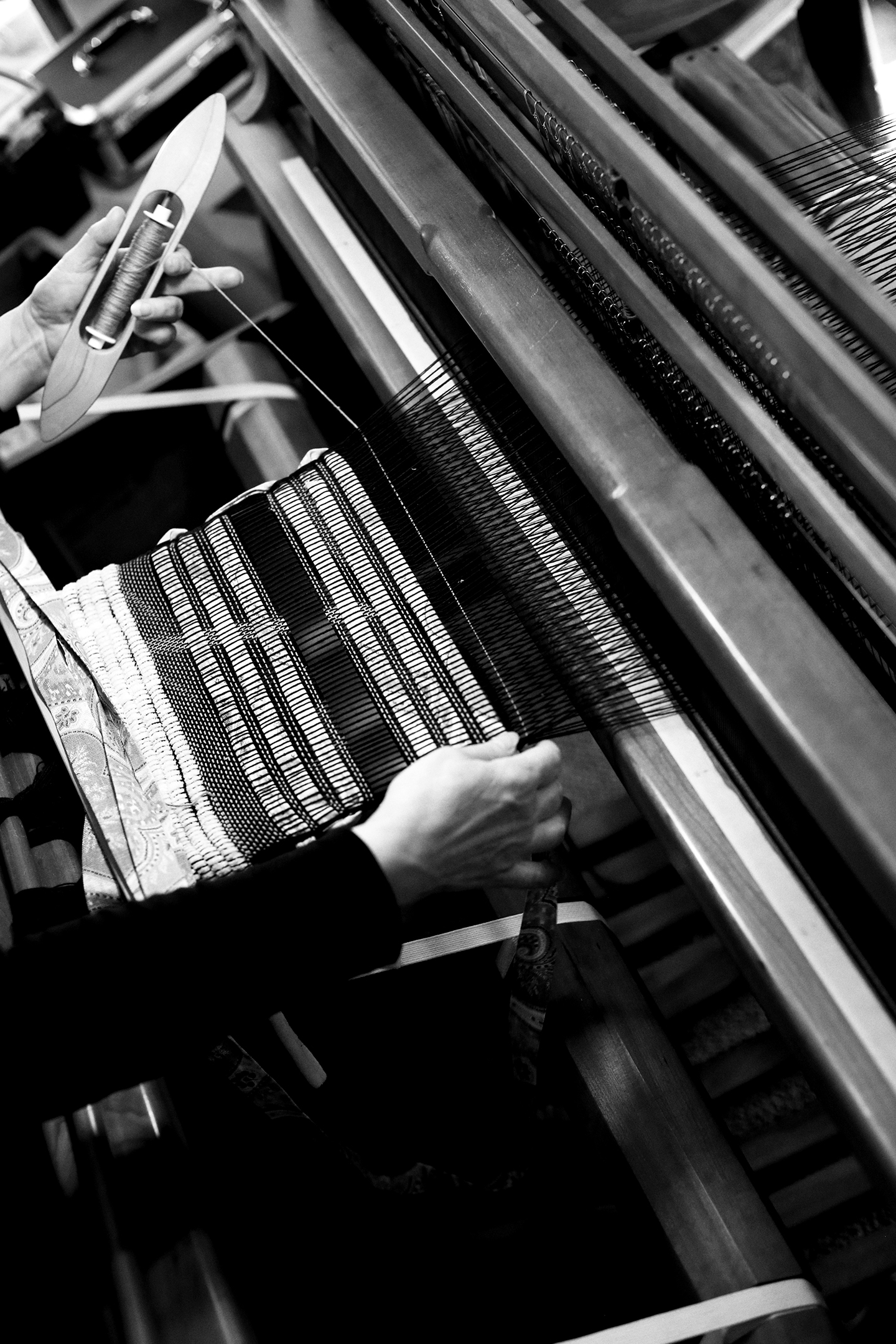
The process starts with deciding what I want to make and then choosing the fabric. I use reclaimed upholstery fabrics that otherwise would end up in the landfill. I also repurpose jeans. The fabric will tell me then what color to use for the warp (the vertical threads that go on the loom and weft (the horizontal threads that are hand thrown with a shuttle). You measure your warp threads, dress the loom and begin to weave. When done, you take your project off the loom and finish it off with sewing or braiding of the fringe. I follow the traditional style of rag weaving using upholstery fabric as the weft. You never know exactly what it will look like until you are finished. Many of my products are wearable or for the home like table runners, wine totes, purses, pillows, and belt bags.
What currently inspires you and which other artists do you admire and why?
I am currently exploring the early colonial craft of coverlet weaving and hoping to explore more in the next year. I love the history of the craft both from the woven item to the machinery it was produced on.
Tell us about a piece of work you have fond memories of and why?
I particularly like when the piece brings back memories for someone. I had made a simple wine tote but the fabric reminded the person of their own grandmother. She accidentally lost the bag but I still had fabric left and made another for her. She was thrilled and I was able to give her back the memory.
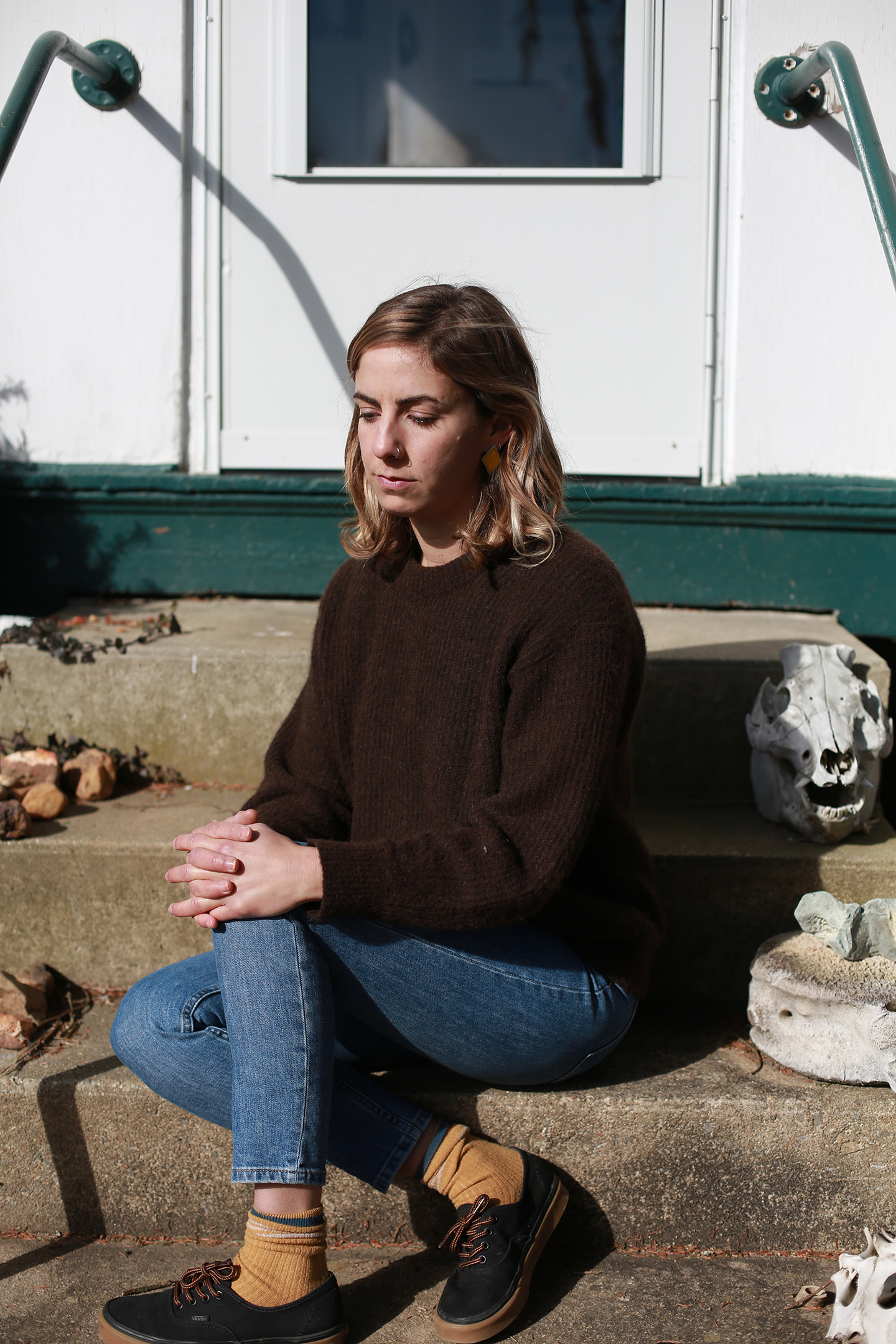
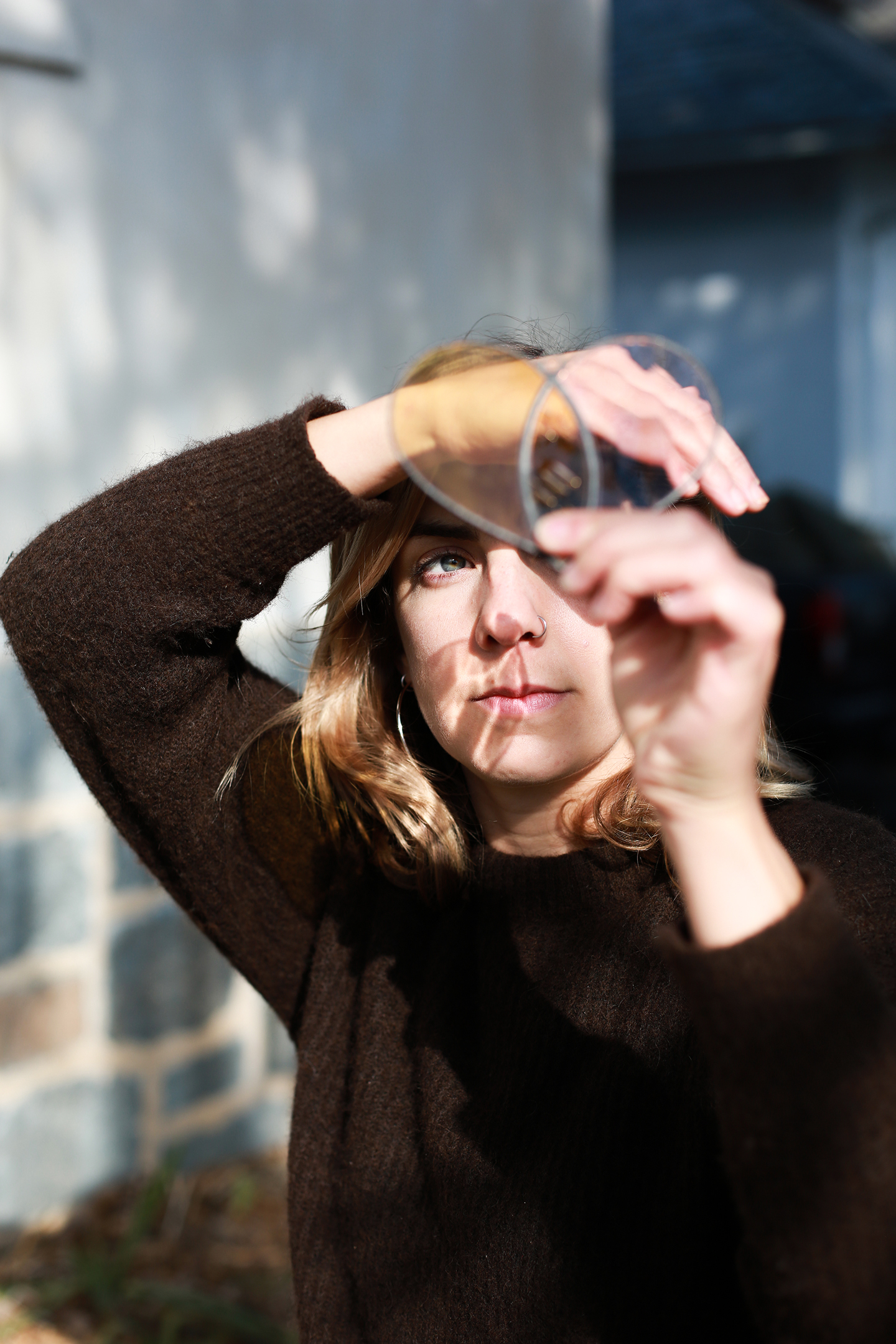
When did you first start making your glass art, and who or what inpsired you to begin?
I started making glass art a long time ago at the University of the Arts in Philadelphia. Over the years after I graduated I made art on the side while working in restaurants and gardening, but recently decided to focus on glass to see if I could make a career out of it.
What mediums or techniques do you work with?
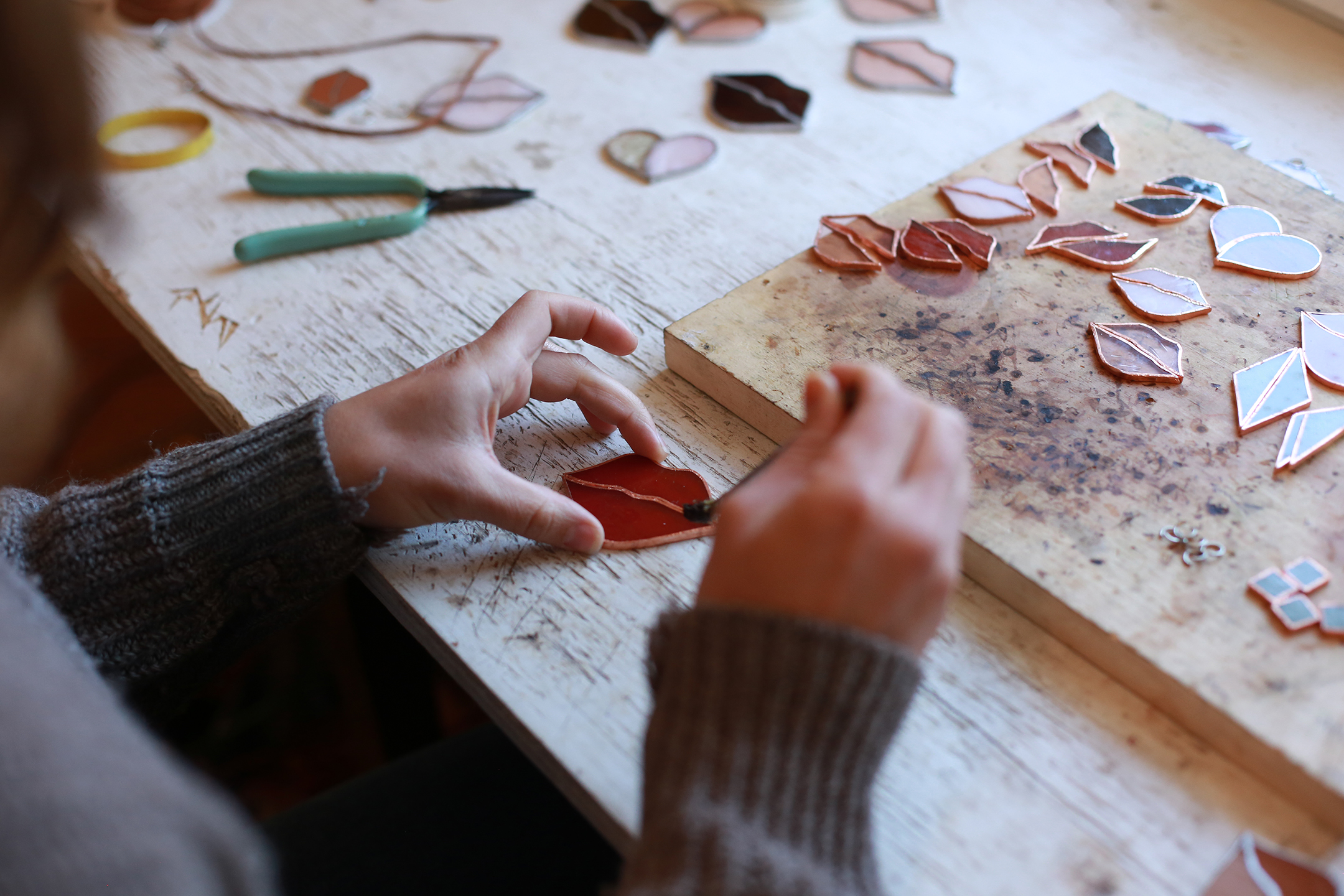
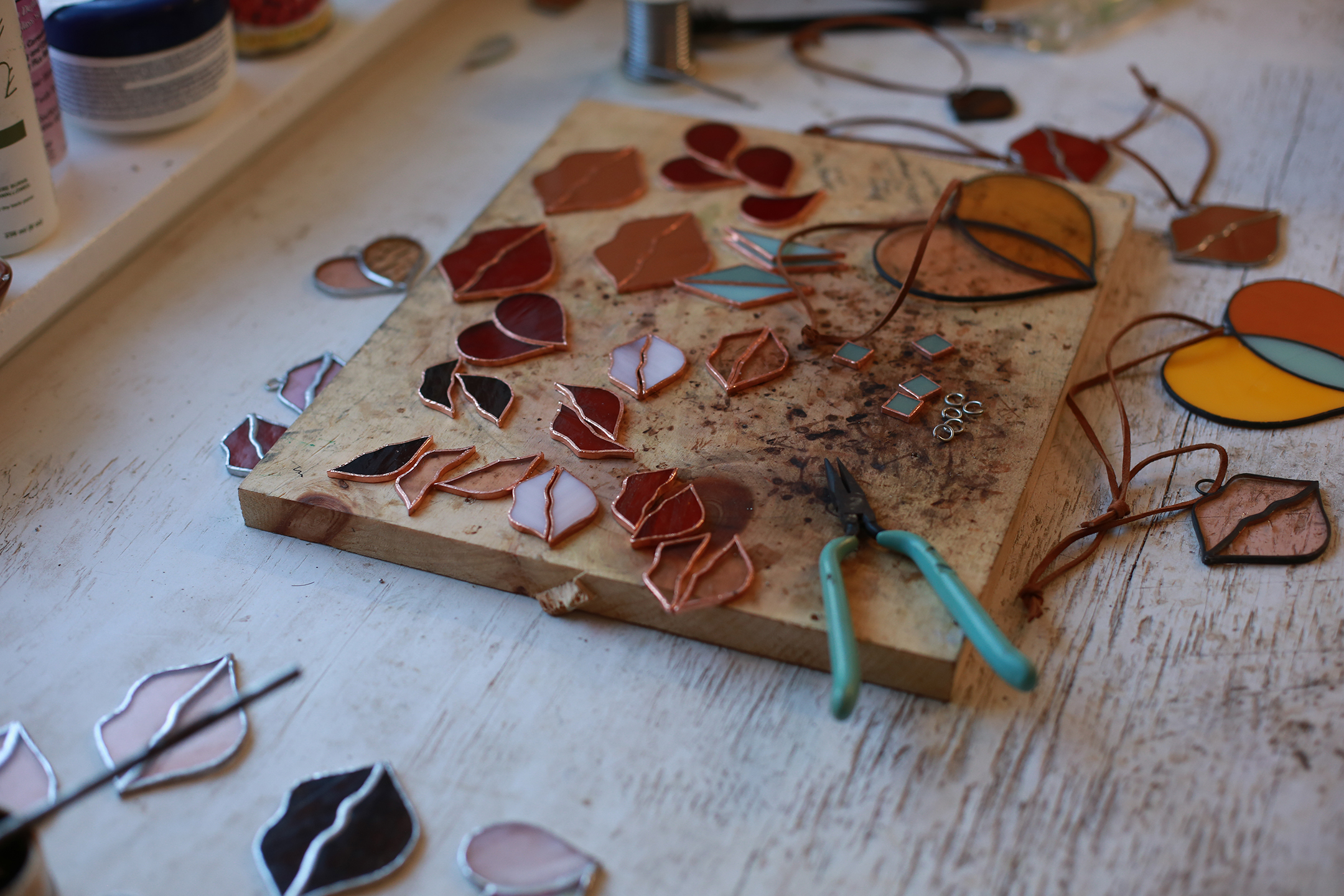
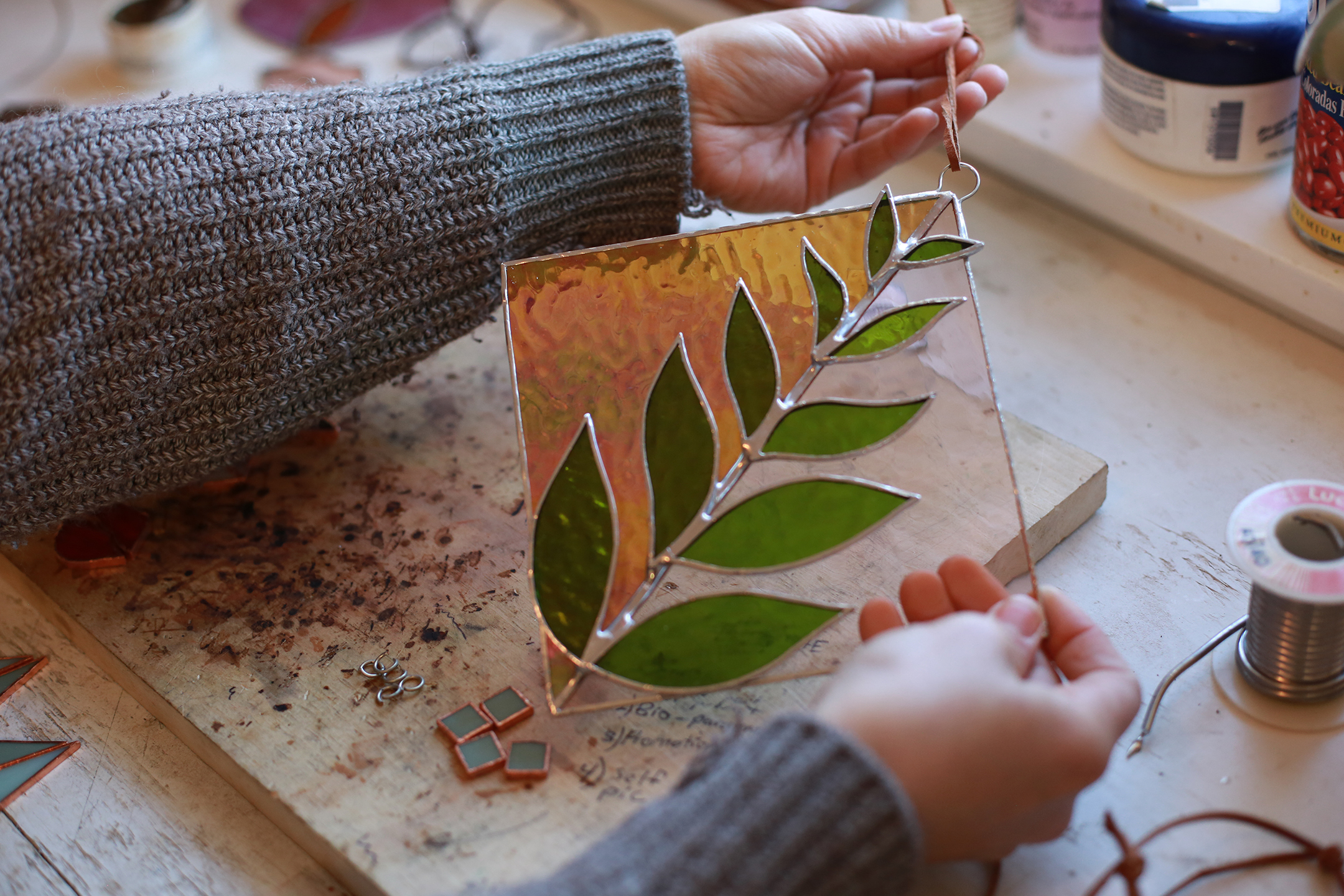
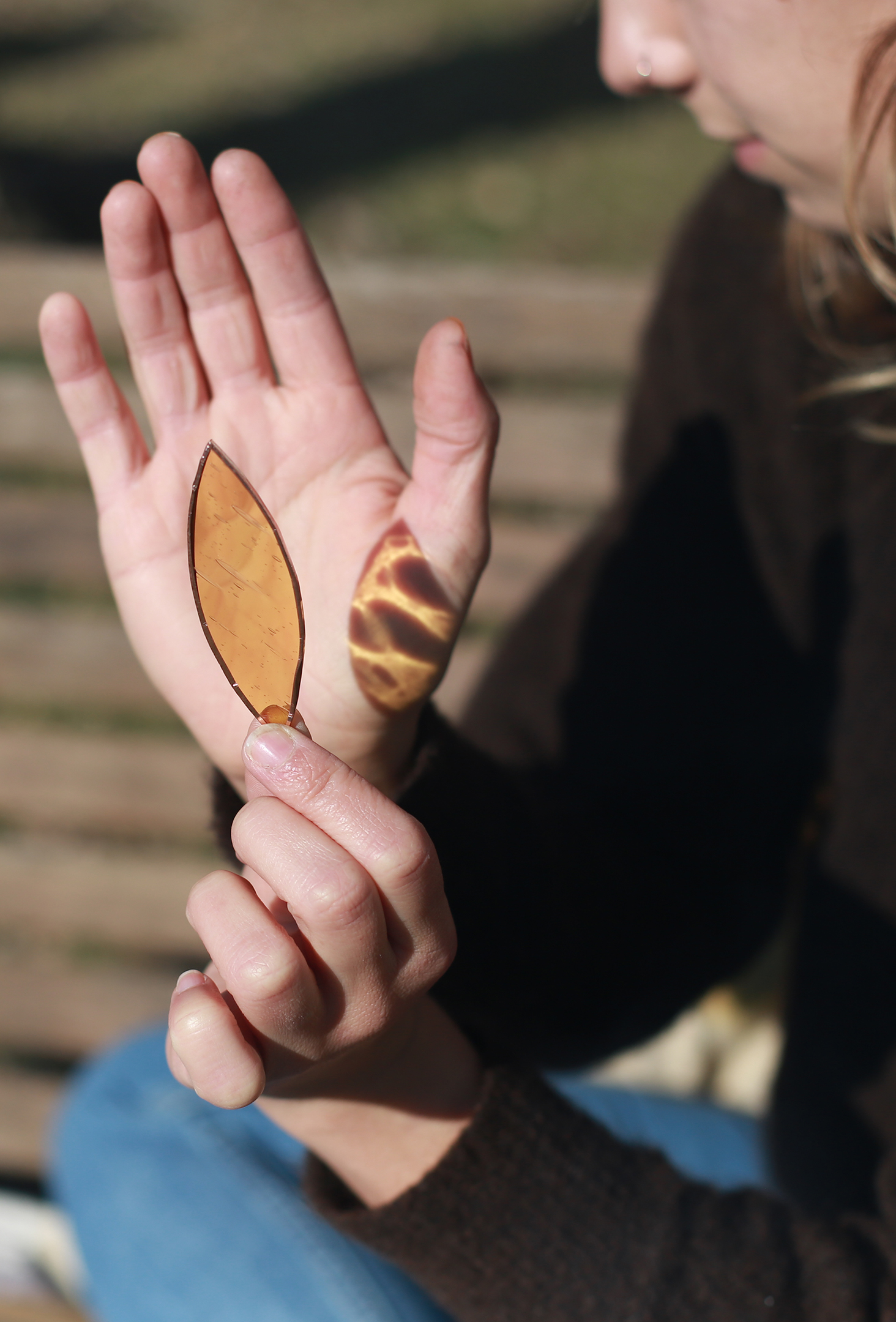
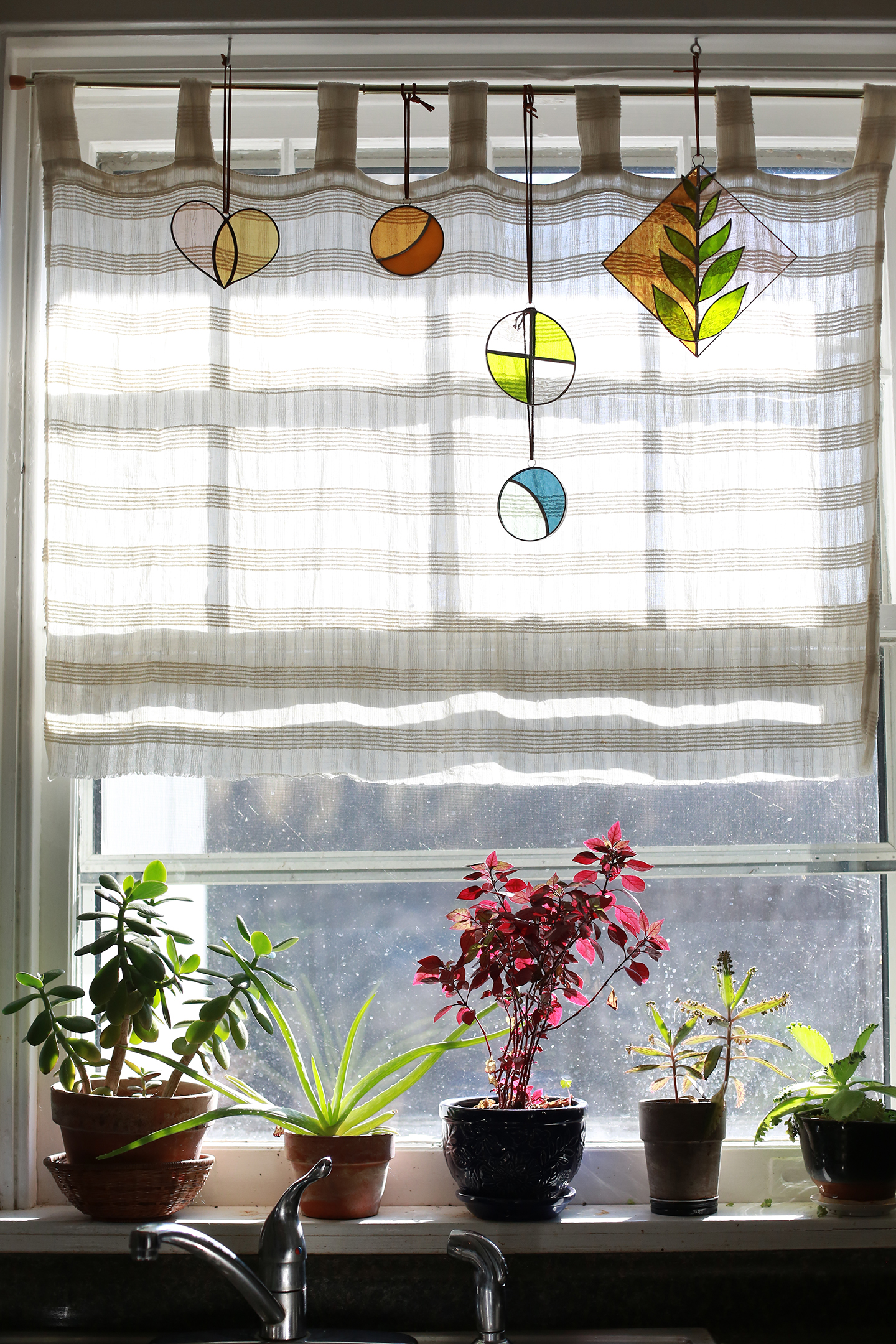
I’ve been working lately with stained glass, specifically the tiffany style, which is copper tape and solder. I sometimes do mosaic work which involves cutting glass, glueing to a surface and grouting. I really enjoy exploring different processes and techniques and I just purchased a kiln to do some glass fusing and slumping.
Please tell us a bit about your design process?
My design process has gone through many changes over the years and varies depending on what I am making. With my stained glass sun catchers I try not to rush an idea, I do a bit of light sketching and look at things that inspire me (mostly plants) until I finally get a design I like. I then darken the lines with a thin sharpie so I can trace the glass. Next comes choosing glass. This might be my favorite part because the colors of the glass itself have a lot to do with inspiring the design in the first place. After colors are chosen I trace the design onto the glass on my light table, cut glass, grind glass, copper tape the edges, solder, add hangers, add a patina if I want, and then polish and clean!
What is the main inspiration for your designs?
I find that my inspiration often comes from deep in my psyche and is very nostalgic. My childhood was full of exploring nature and having adventures with my sisters, so I would say that along with the natural world I experience today in beautiful Chester County is the basis of my inspiration, coupled with my love for plants and interior design.
What has been your favorite piece that you’ve made?
I would say my favorite piece would be a circle suncatcher that I recently made. Shades of blue, geometric shapes, asymmetry and circles are things that I love very much and they are all included in this piece. I don’t think it’s any crazy feat of skill or talent but I feel very satisfied with it’s authenticity.
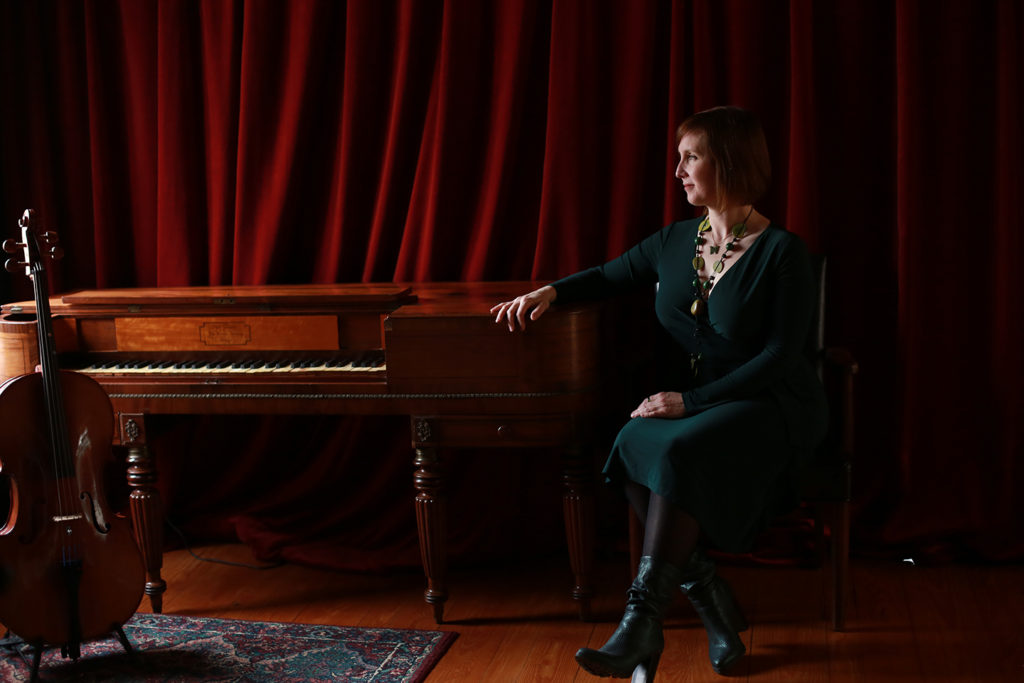
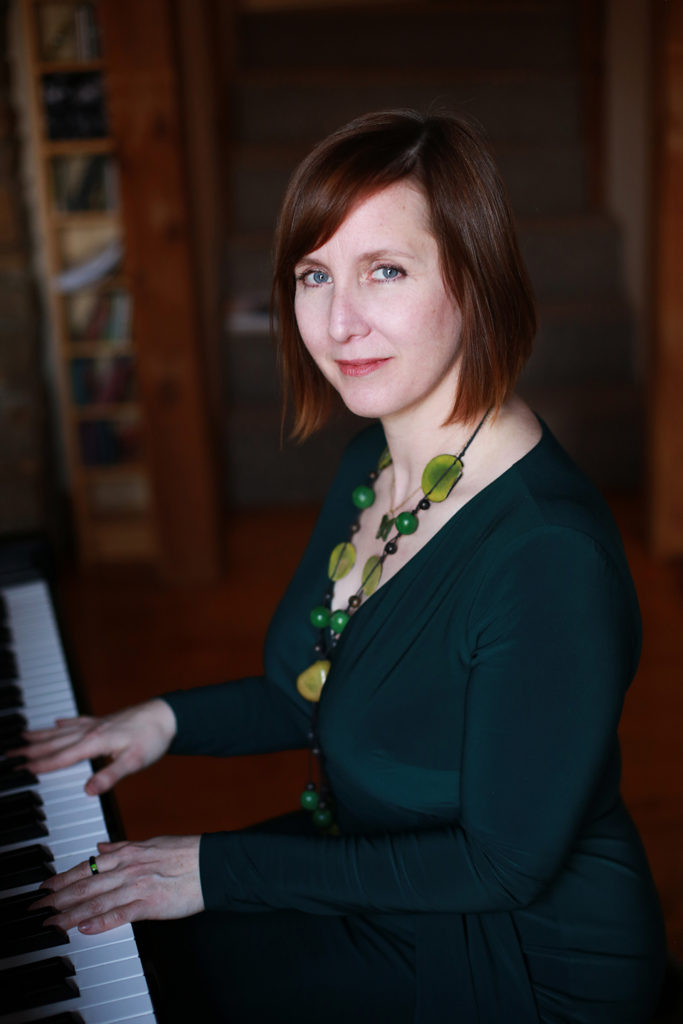
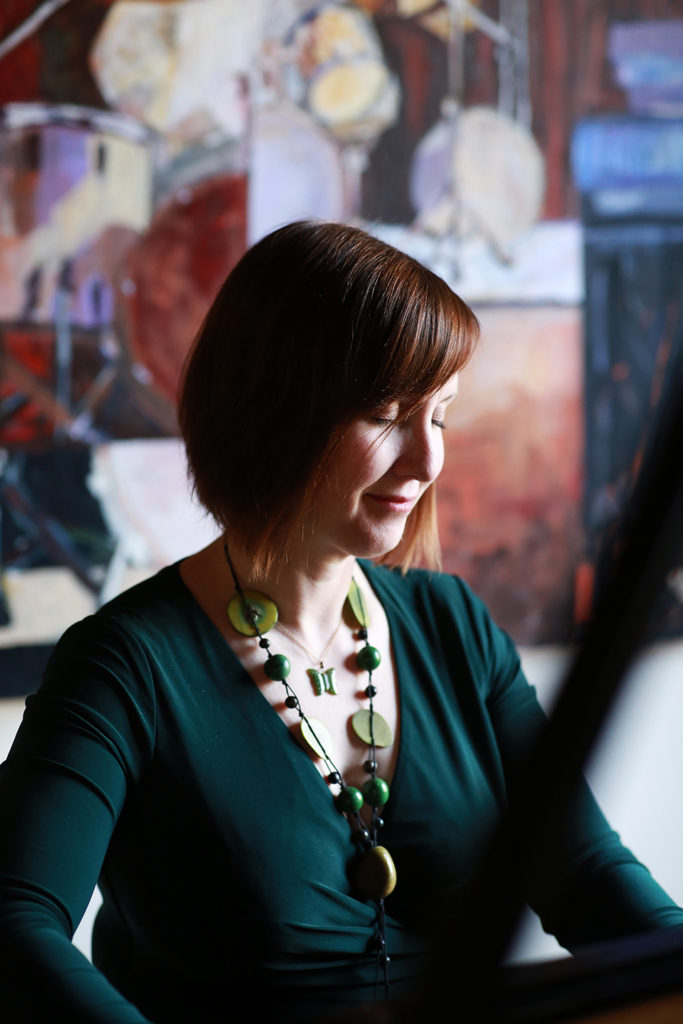
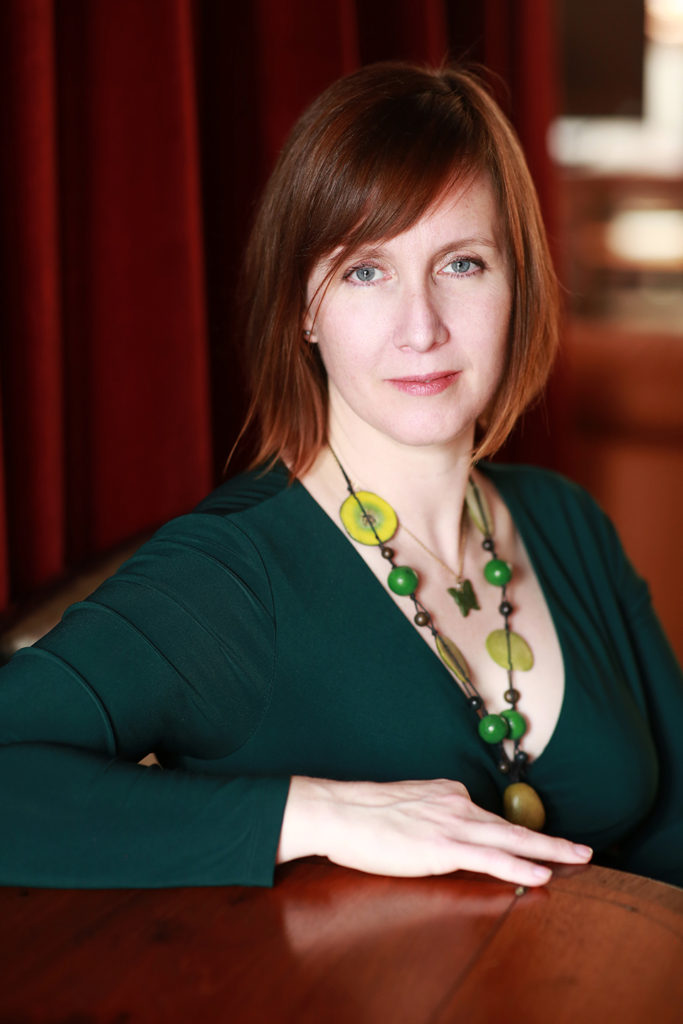
Meet Catherine, she is a Pianist, improviser, Steinway Artist.
Who or what inspired you to take up the piano, and pursue a career in music?
When I was 8, my parents bought me an 80 year old piano at a yard sale with a cracked soundboard. My dad who was good with woodworking repaired the soundboard and built me a piano bench. I played non-stop after that! I was a music minor in college when I discovered that I could improvise, and the music started coming in torrents after that. Even though I was performing classical and my original music in many solo concerts a year, it wasn’t until five years after graduation that I decided to leave my corporate job and pursue music full time. By that point I had released two albums and was performing throughout the region!
Who or what have been the most important influences on your musical life and career?
Pianist George Winston, Cellist David Darling and his organization Music for People, and Pianist Dr. Robert Bedford.
Which performance/recordings are you most proud of?
River Flow, Maiden’s Voyage and I Dream About This World: The Wyeth Album.
What have been the greatest challenges of your career so far?
Learning to be self-aware enough to know when I need to practice and continually improve!
How do you make your repertoire choices from season to season?
Purely by emotion, and a reflection of my state of being! I have found that some years I’m more melancholy and want simplicity and depth, others I’ve craved structure and light-heartedness, and others I seek a deep-dive into intellectual and technical challenge.
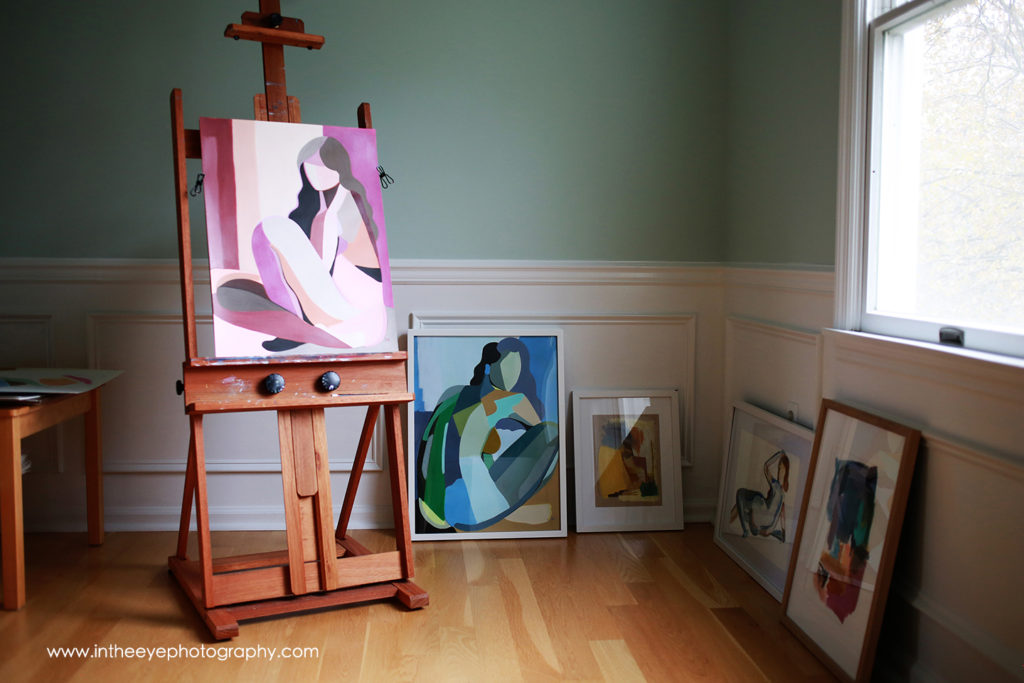
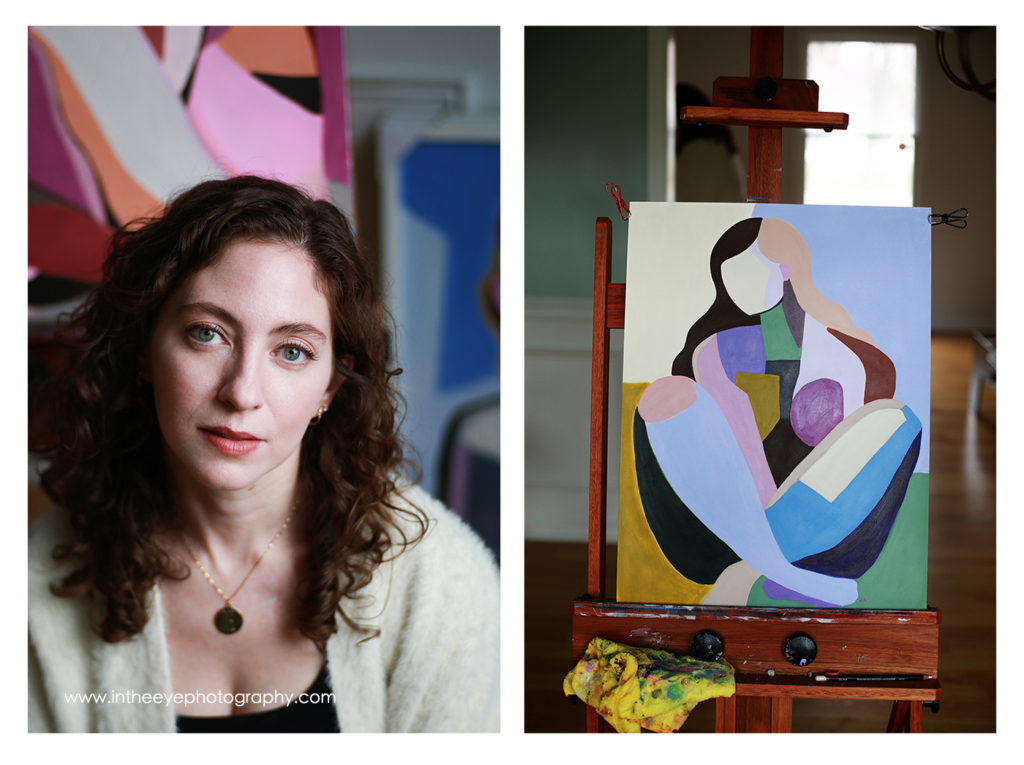
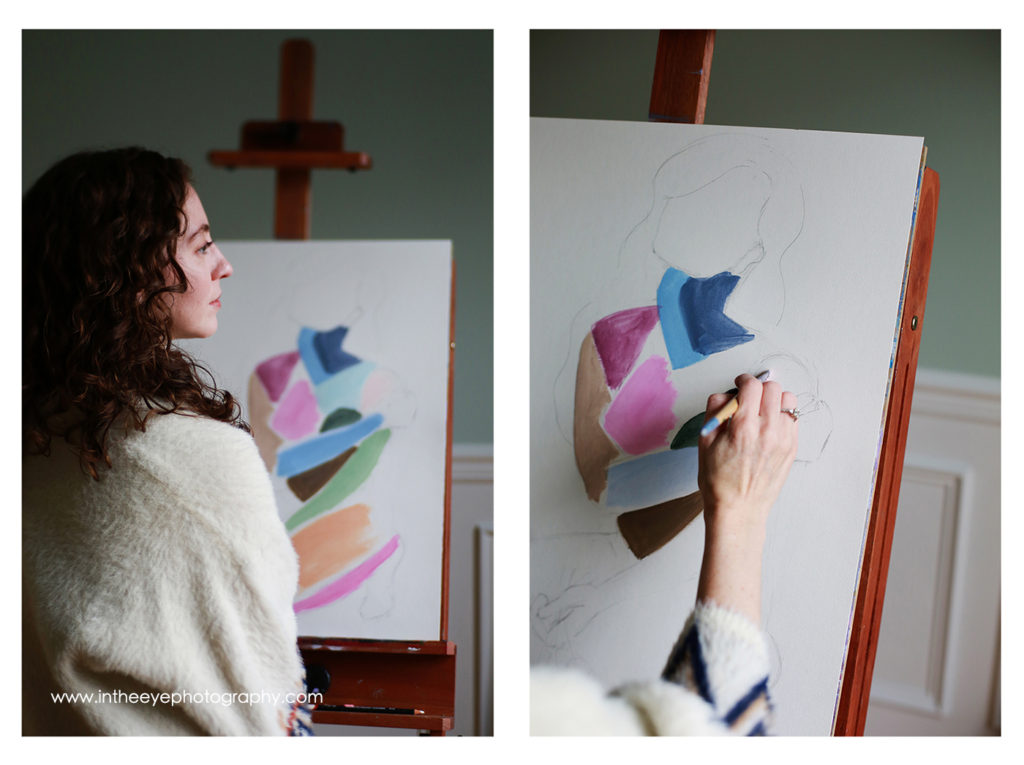
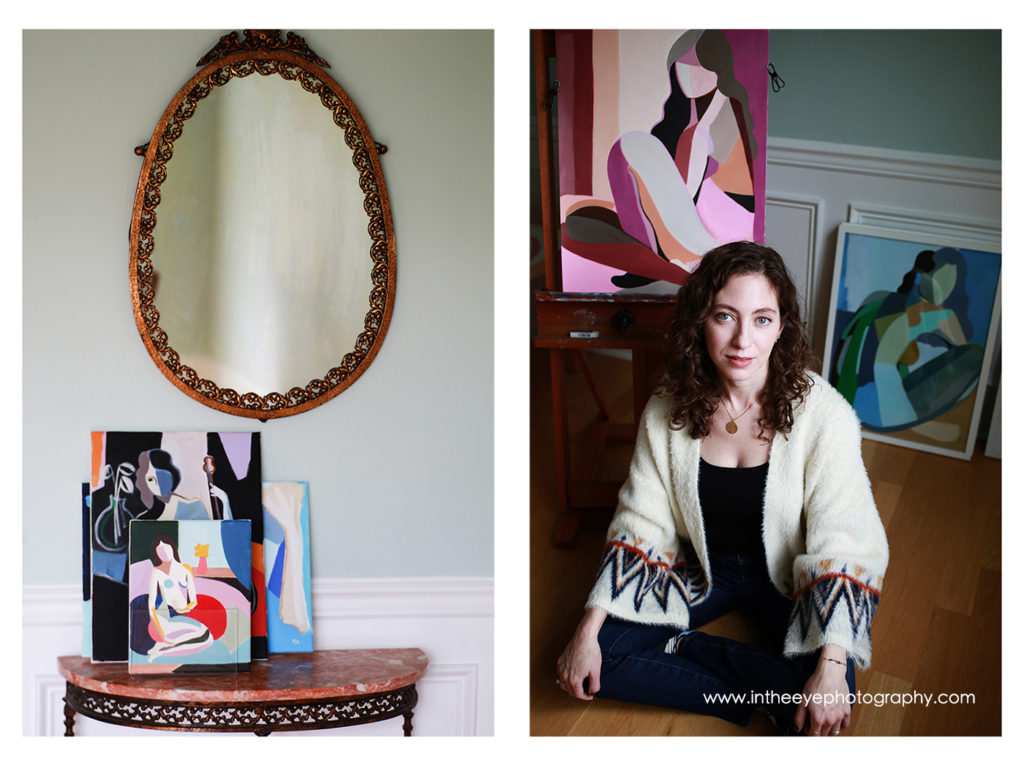
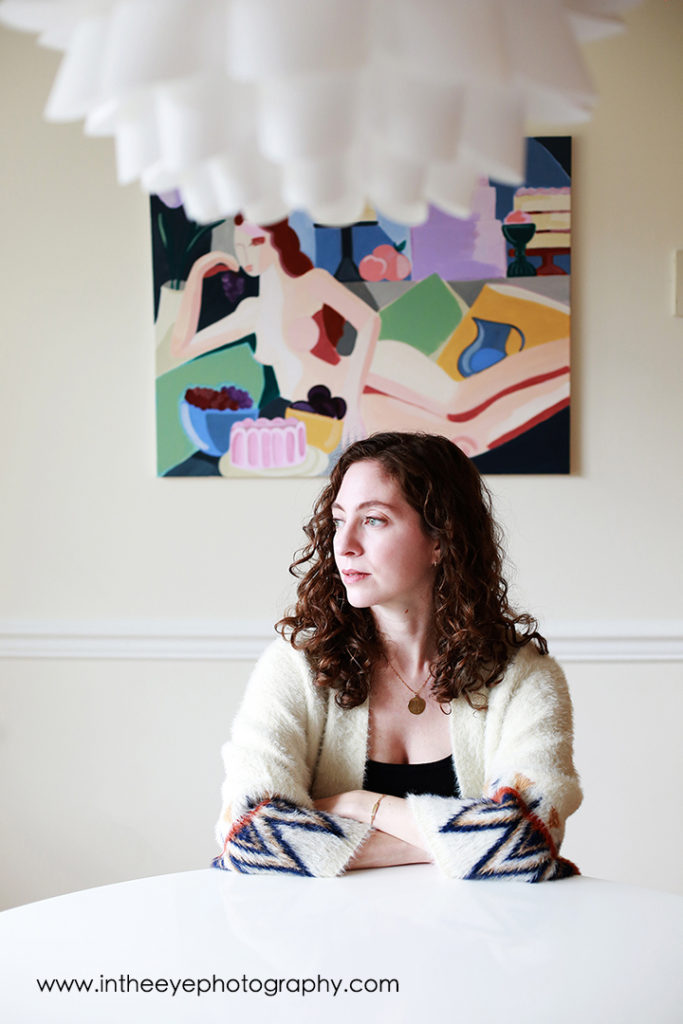
I found Rebecca’s work in a west chester interior store and I loved it. I think we have something in common–our subjects are women.
1. How and when did you decide to be a painter?
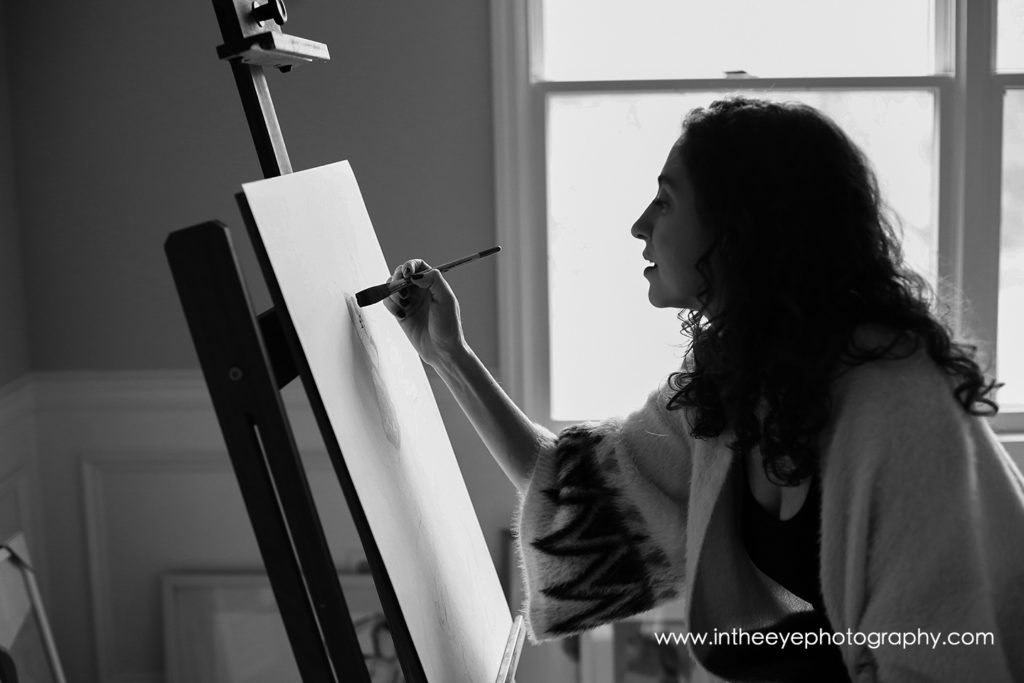
I started painting about five years ago. I left my job in New York City as a magazine editor to stay home with my son and was in search of a new creative outlet after moving to the Philly suburbs. I’ve always loved art and interior design and thought why not? My sister was moving abroad and gave me some old paints she had lying around so I began to experiment.
2. Who were the artists inspired you most?
There are so many amazing artists on Instagram that inspired me to start painting–women that are professionally trained, self-taught, painting with a kid under one arm. I’m currently saving up for a Claire Johnson collage or a Rebecca Russo portrait or a Gee Gee Collins anything. I’m obsessed with Milton Avery’s use of color and patiently waiting for a nearby museum to give him an exhibit.
3. Do you work from life, photographs or from imagination?
I work from photographs to find poses for my figures and then let color and imagination take it from there.
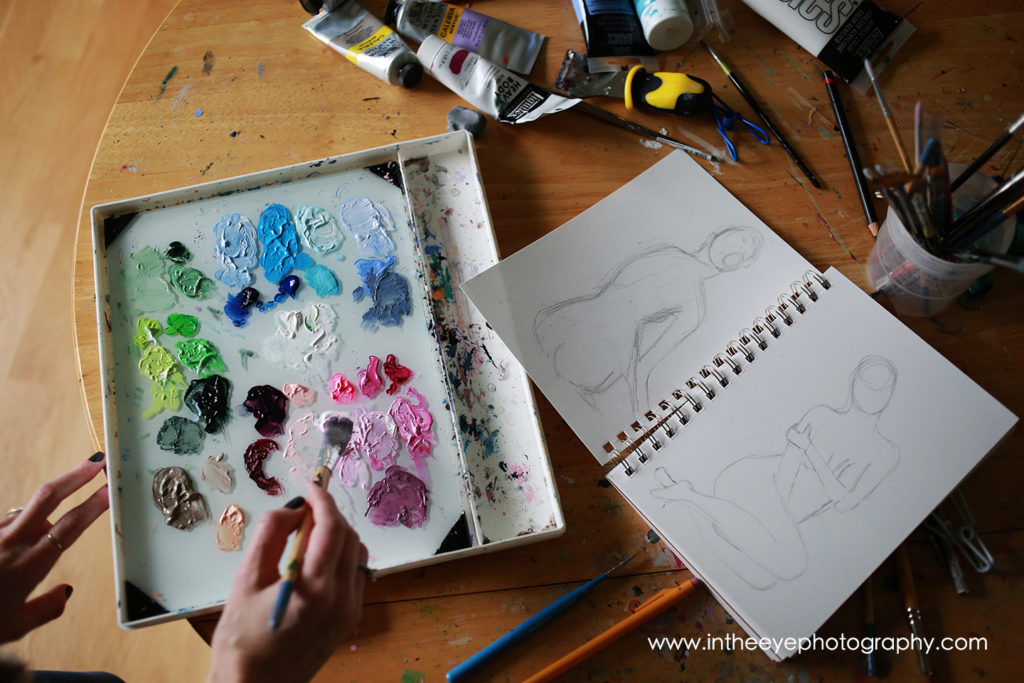
4. Please tell us some of your considerations when using color in your work? what sort of paints do you put out on your palette?
Color makes me happy! Acrylic and oil pastel are my go-to mediums and I find a lot of pleasure just mixing paints on my palette. I love the way color creates a mood. A mark of fuchsia or indigo or chartreuse can totally transform a painting. Finding the perfect color composition is one of the most rewarding aspects of painting for me. In many ways I find the process similar to writing. It’s all about piecing together a puzzle.
5. what are you working on now?
I’m working on a still life commission for a friend’s new office and gearing up to try some different substrates like wood and unbleached linen.
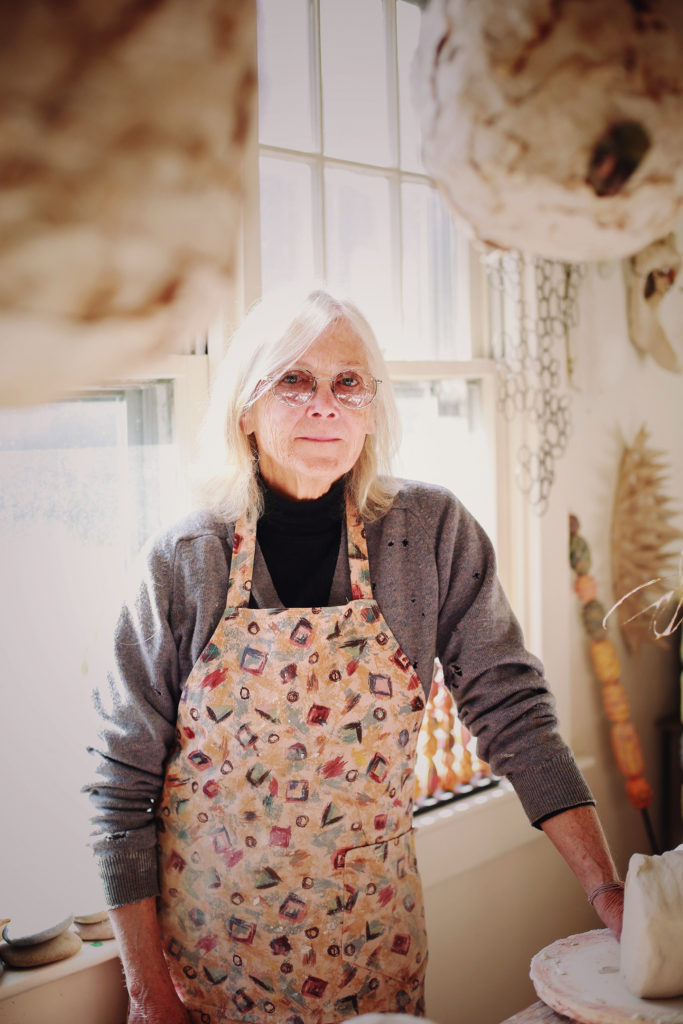
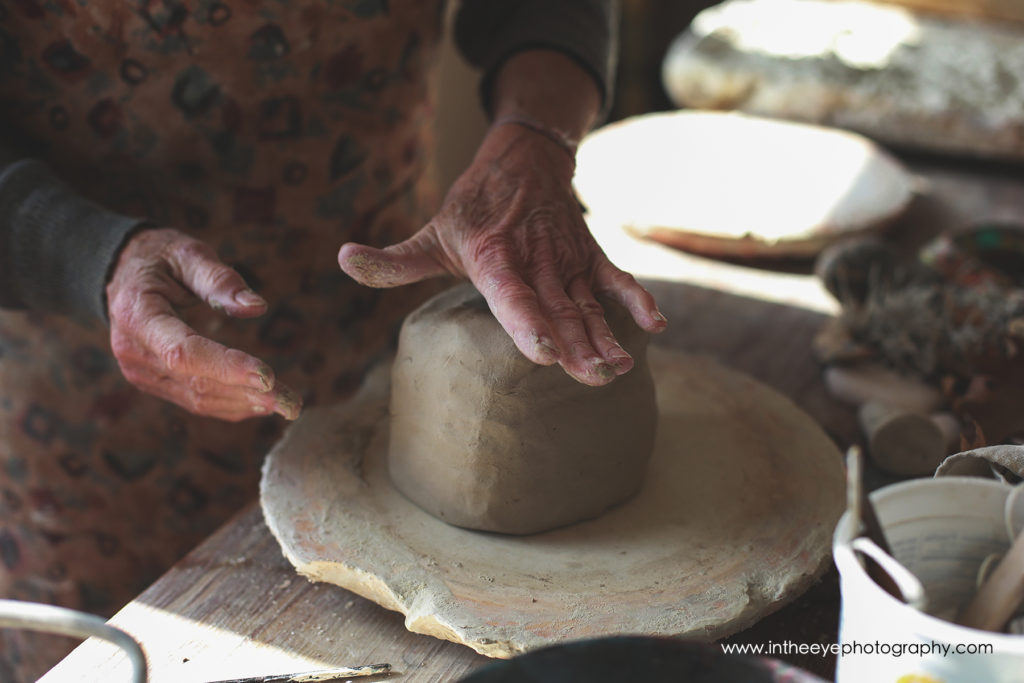
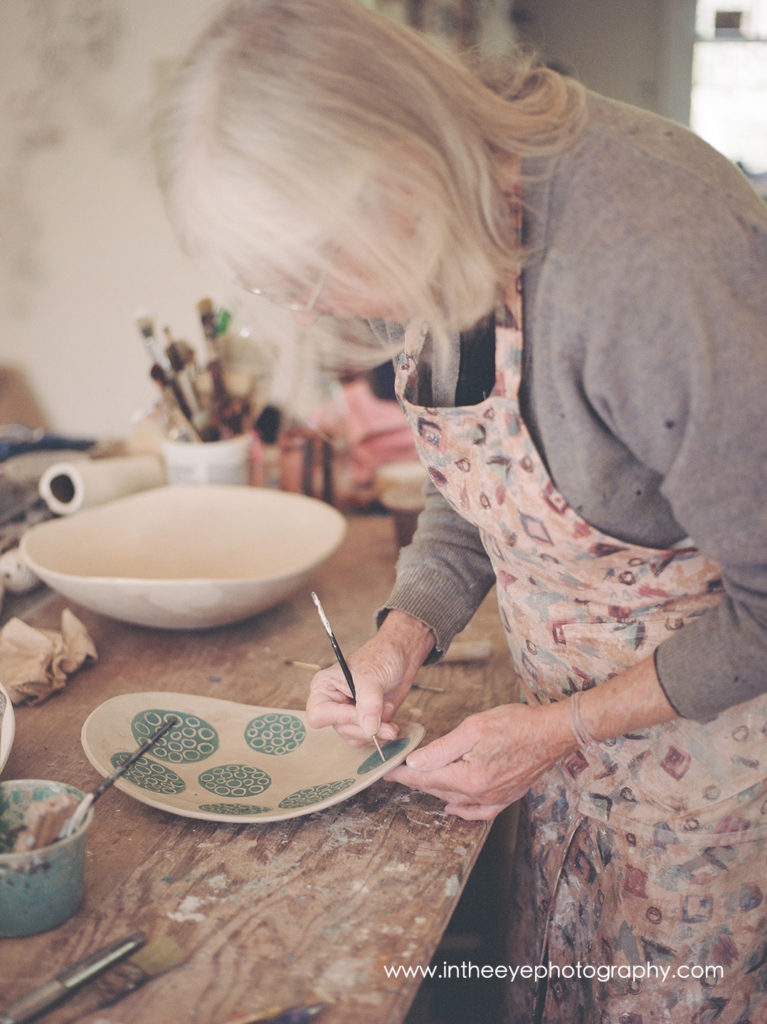
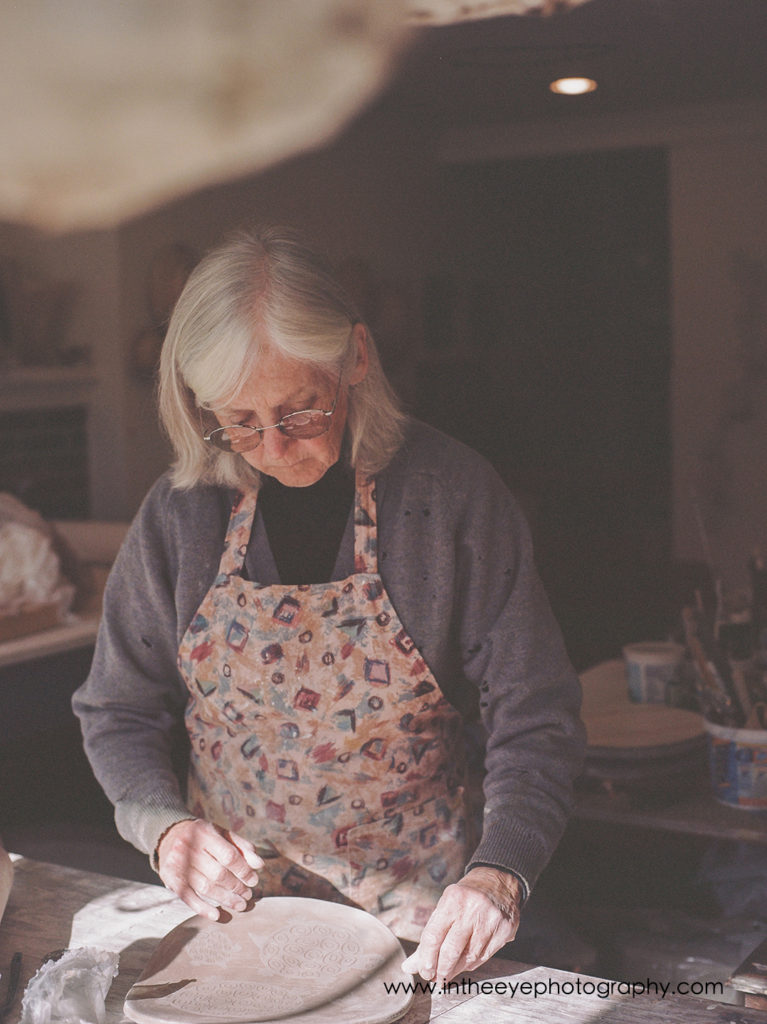
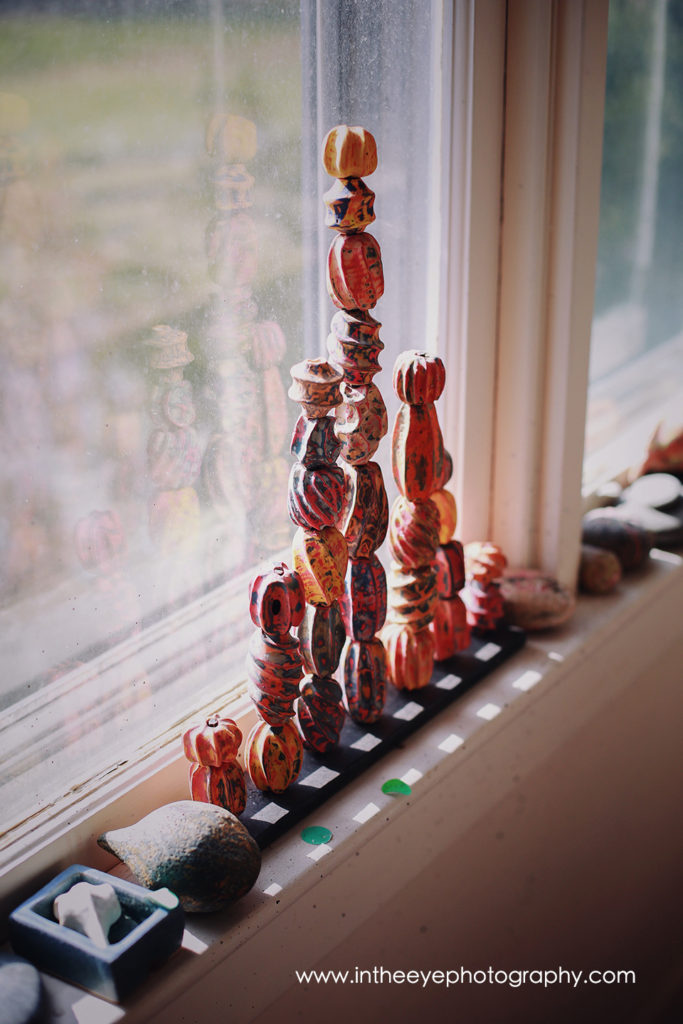
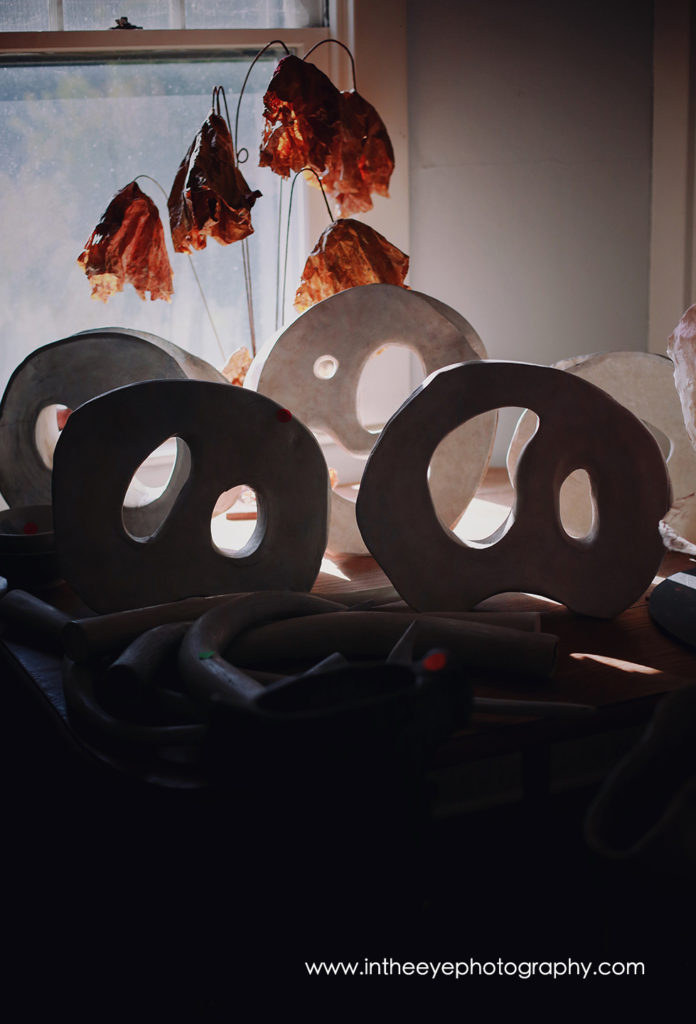
“Creating is an integral part of my life. Working with clay, other natural materials, and metal connects with Earth. Their transformation is alluring and fascinating to me – as it has been to humans through the ages. Myths, animals and other forms of nature influence my work. Capturing and expressing the essence or spirit, not soley a realistic portrayal, is my goal. I would be delighted if my functional work is enjoyed in everyday use and my non-functional work provides visual pleasure/provokes contemplation.”–Jill Beech
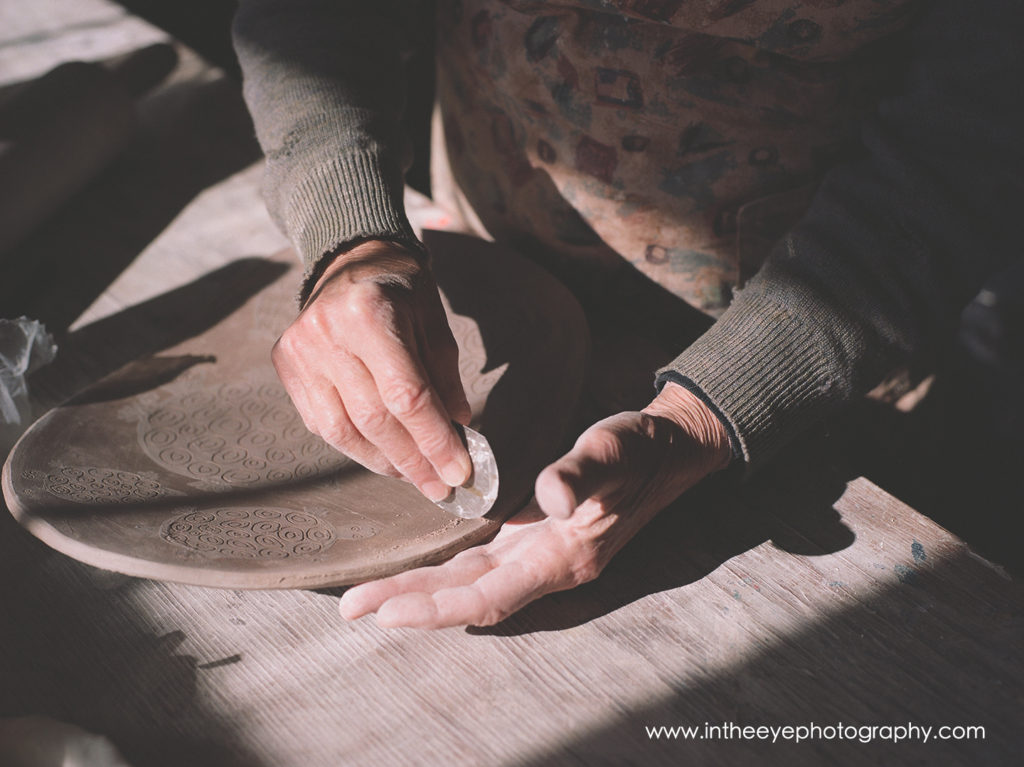
“I first took a ceramics class around 1981 and immediately felt an affinity and bond with clay. Since then, I have taken many classes, mostly in hand-building, and nearly all at Penland School of Crafts – a truly inspirational place with great artists and teachers. As my passion and involvement increased, I built a large gas kiln to expand firing capabilities beyond electric. Until 2011 when I retired, I was a veterinarian on the UPenn Veterinary School faculty so I juggled time between the studio and working at New Bolton Center, in the large animal hospital. Since then, I have been able to devote much more time to working in my studio adjacent to my home.”
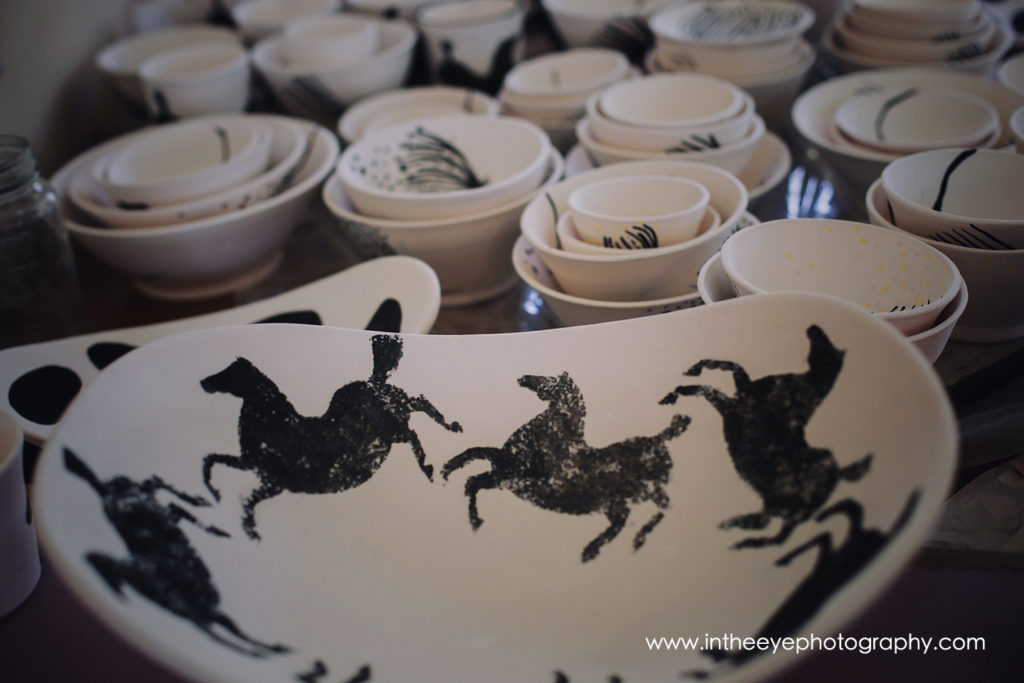
“My functional and sculptural work is mainly made from porcelain or stoneware clay, and less frequently low fire earthenware clay. Some of my hand built forms are perforated with hundreds of varying sized and shaped holes whilst still damp and malleable; they are then dried, fired to a low temperature ( approximately 1800 F) then sandblasted, and finally re-fired to a higher temperature, usually between 2100-2300F. Glazes or stains are applied to some pieces. Others have multiple layers of different coloured slips (clay suspension) applied and then rubbed through to reveal different colours, and some are left unadorned, revealing just the clay itself. Some are mounted on steel stands that I forged. I have sometimes used metal containing paint on the final fired piece to give forms the appearance of metal. Encaustics have been used on some vessels to create layers on the surface, giving subtle colour changes and texture. Less frequently, on the low fired non-functional earthenware pieces, I paint multiple layers of acryllic paint. Horses, and to less extent other animals, influence both the forms as well as the images on the decorated surfaces of functional ware. Imagery from travel also has influenced forms.”
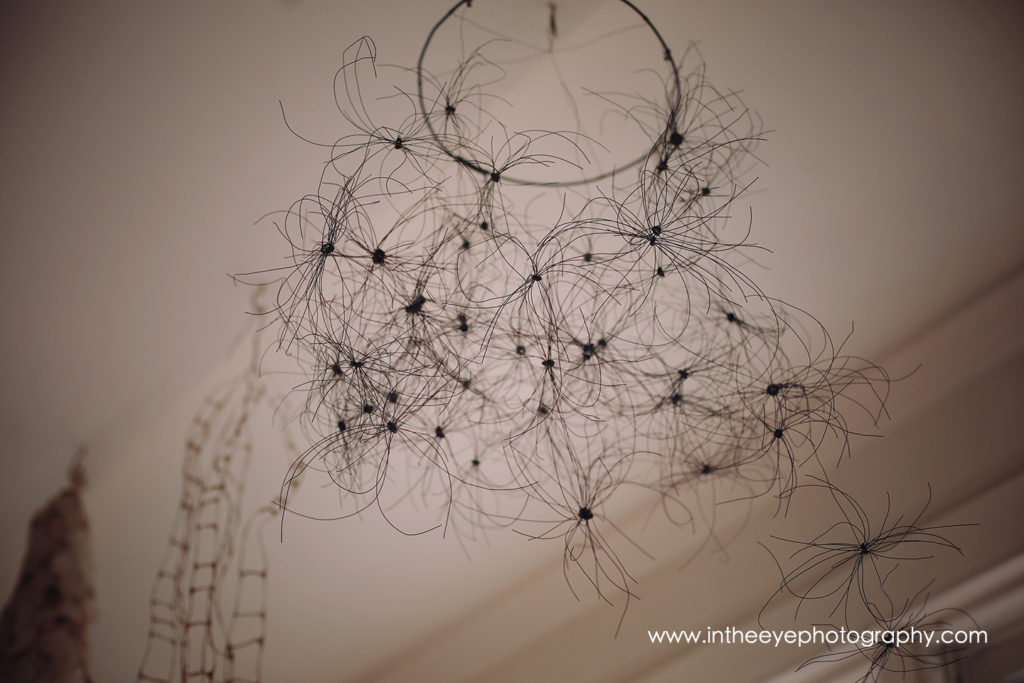
“Over the last few years, in addition to working with clay, I have worked with copper fold-forming,( using commercial patinas on the finished forms, and making wall panels, leaves for mobiles, and wearable wrist cuffs), clay monoprinting,( influenced by the late Mitch Lyons, who had a studio in London Grove) , hand made paper, recycled cardboard, paper sculpture, and also wire sculptures. I particularly like Kozo for making paper, and sometimes use encaustics on surfaces. My studio is near Ercildoun and is open by appointment and at my yearly open studio days.”