Category archives: art
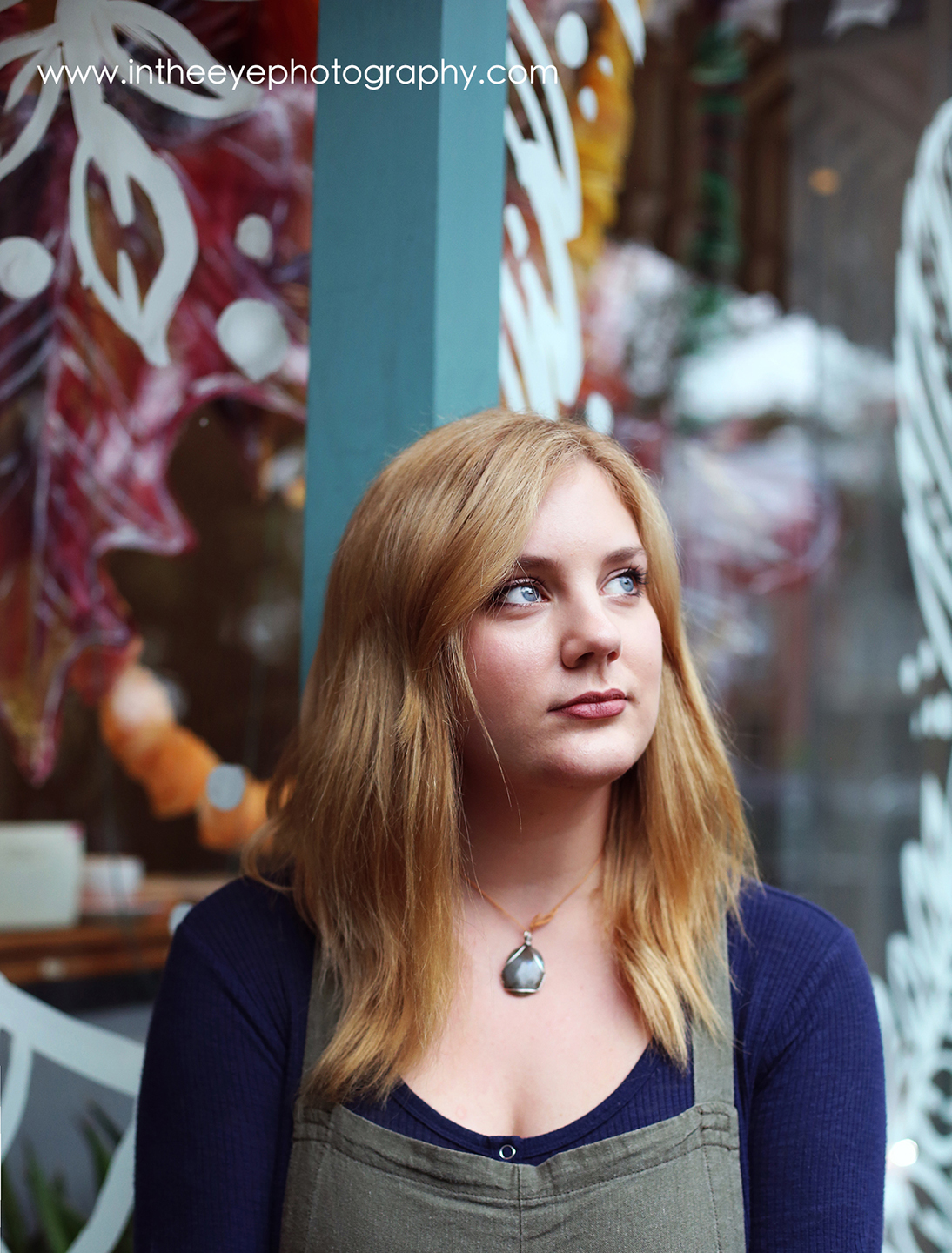
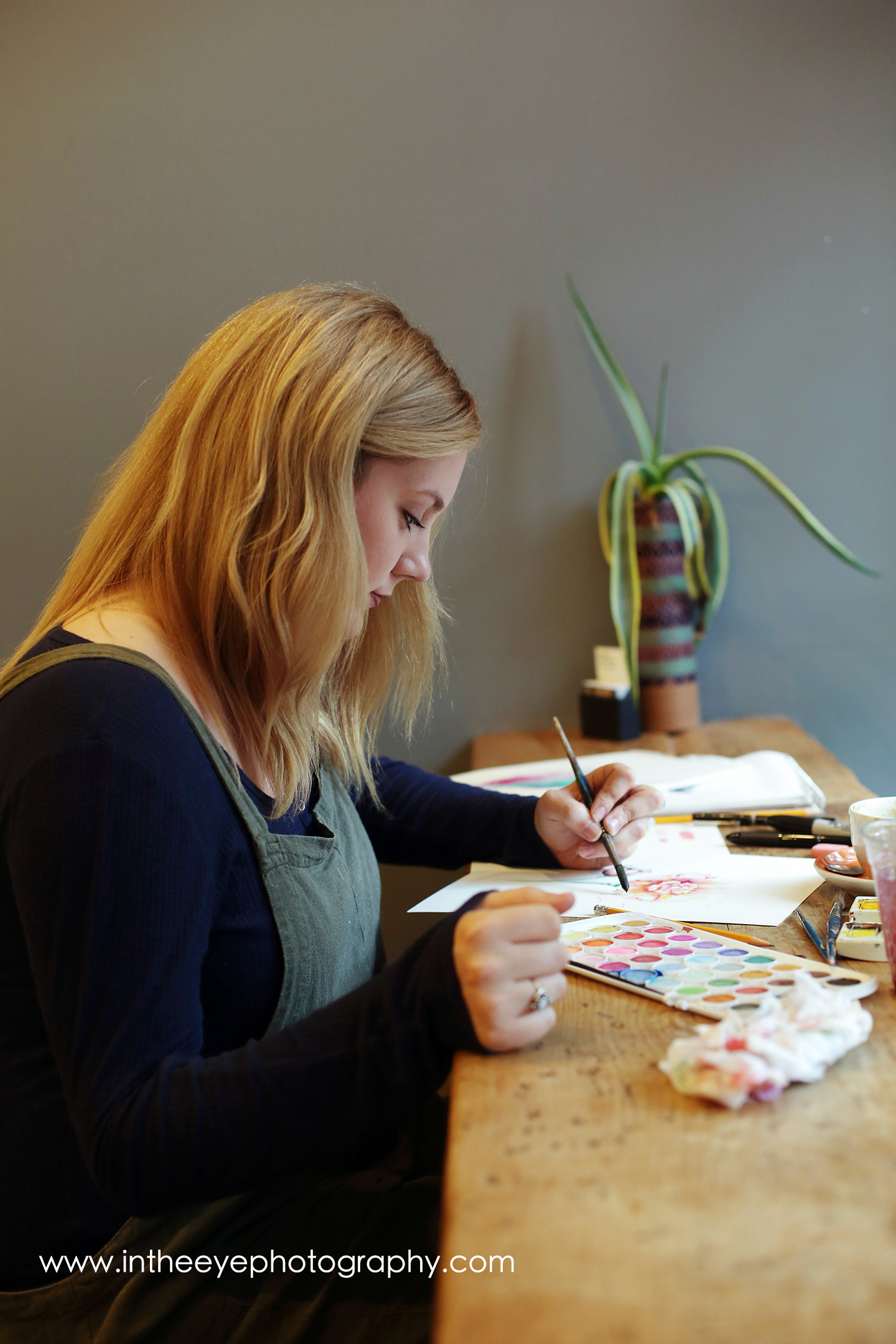
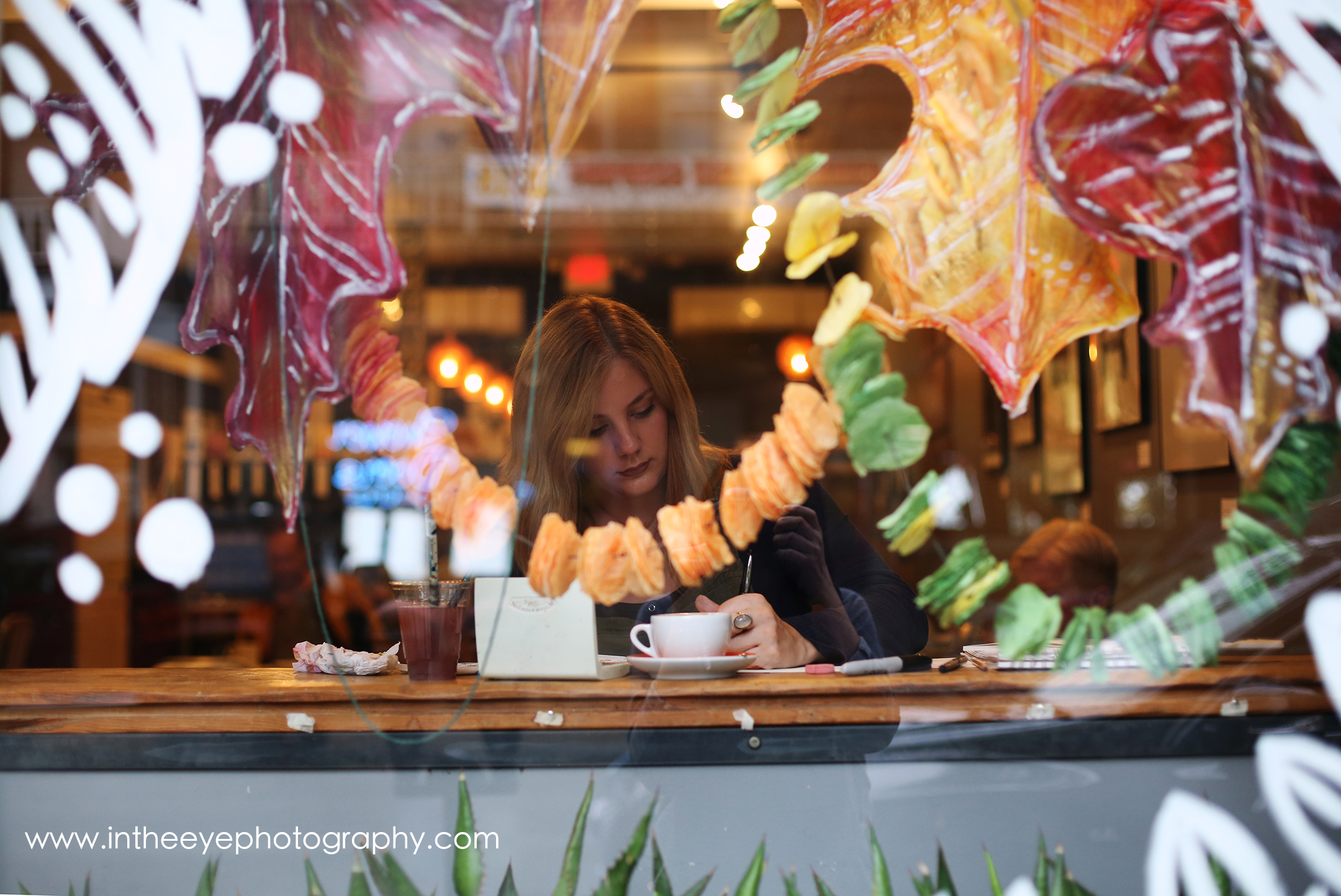
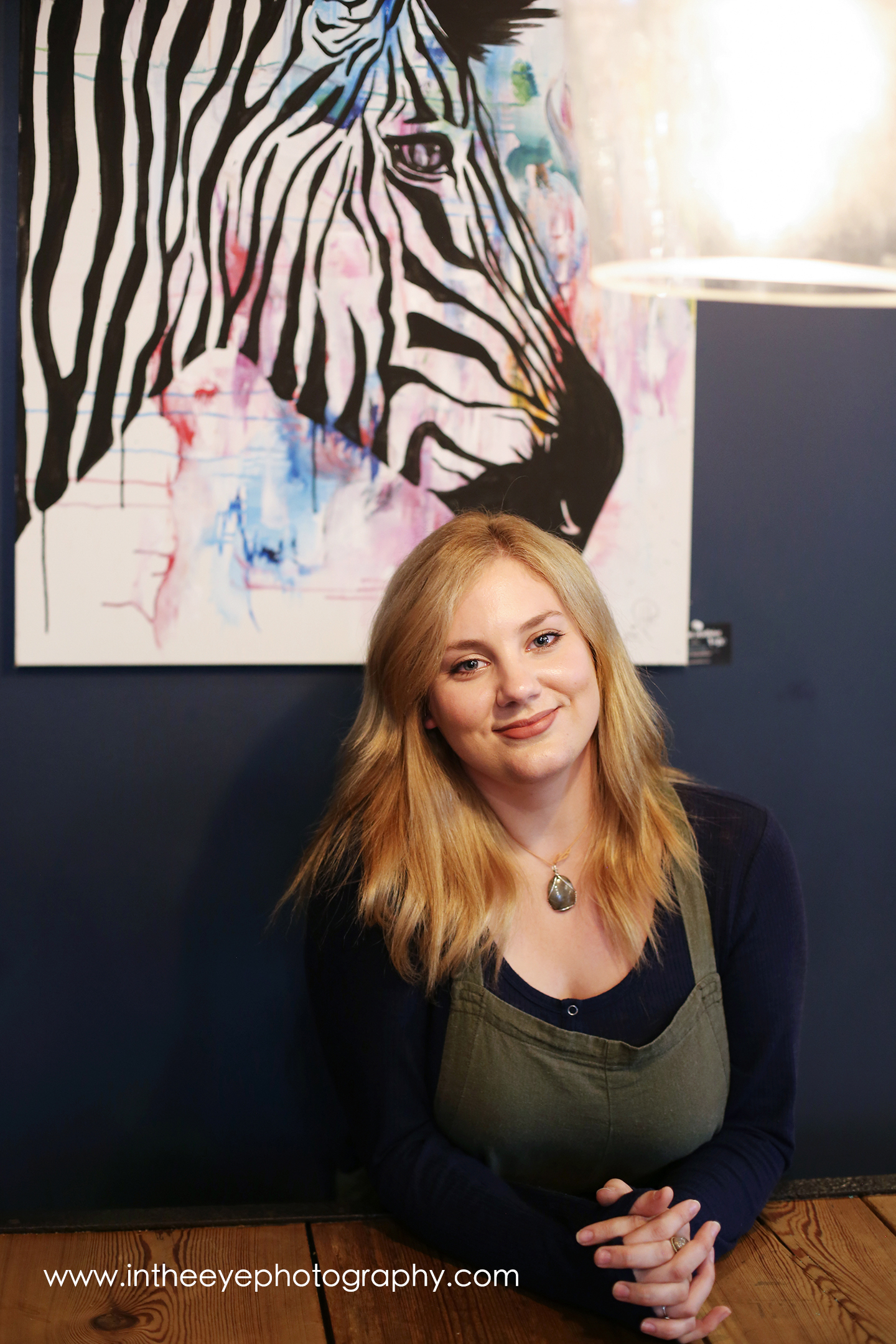
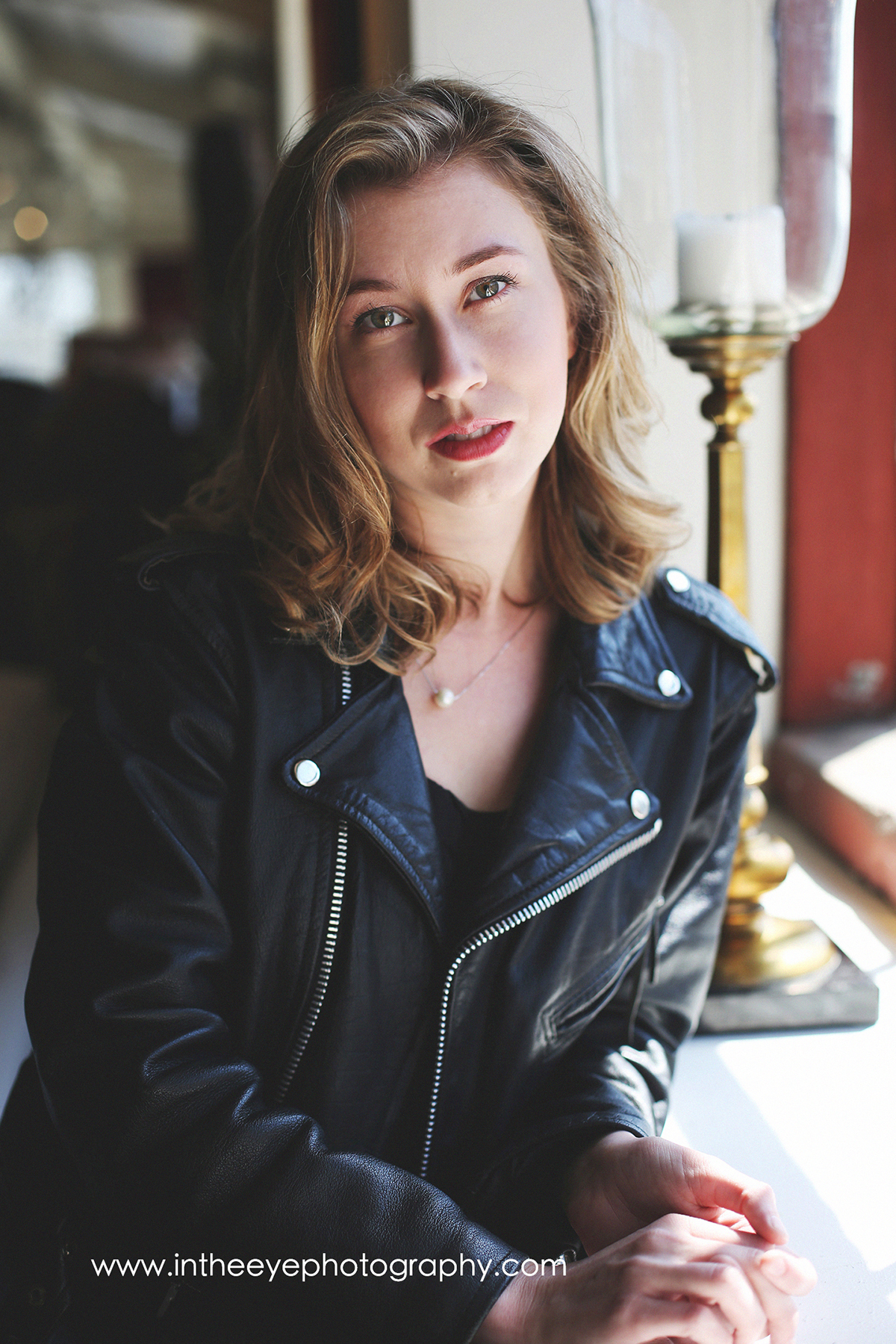
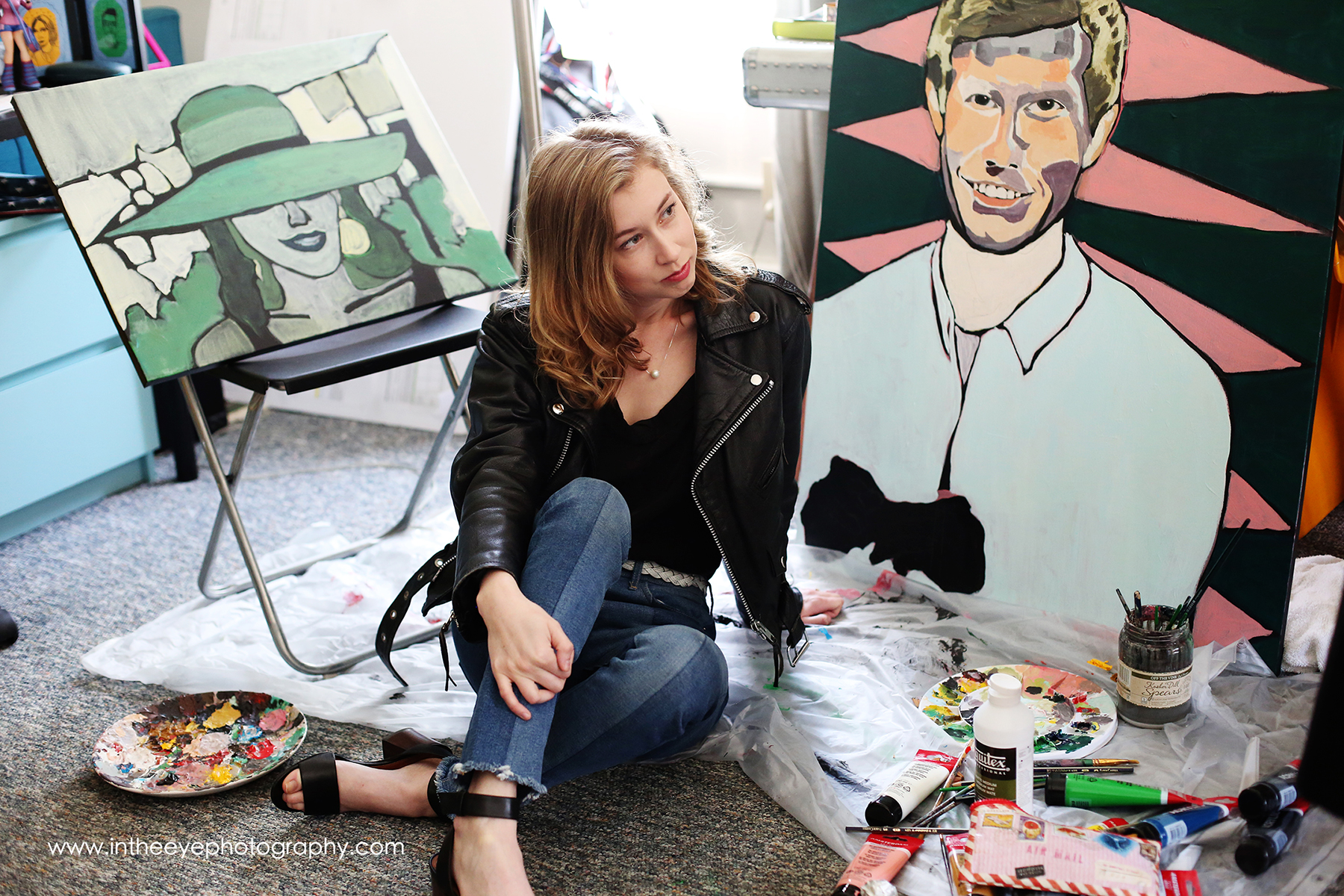
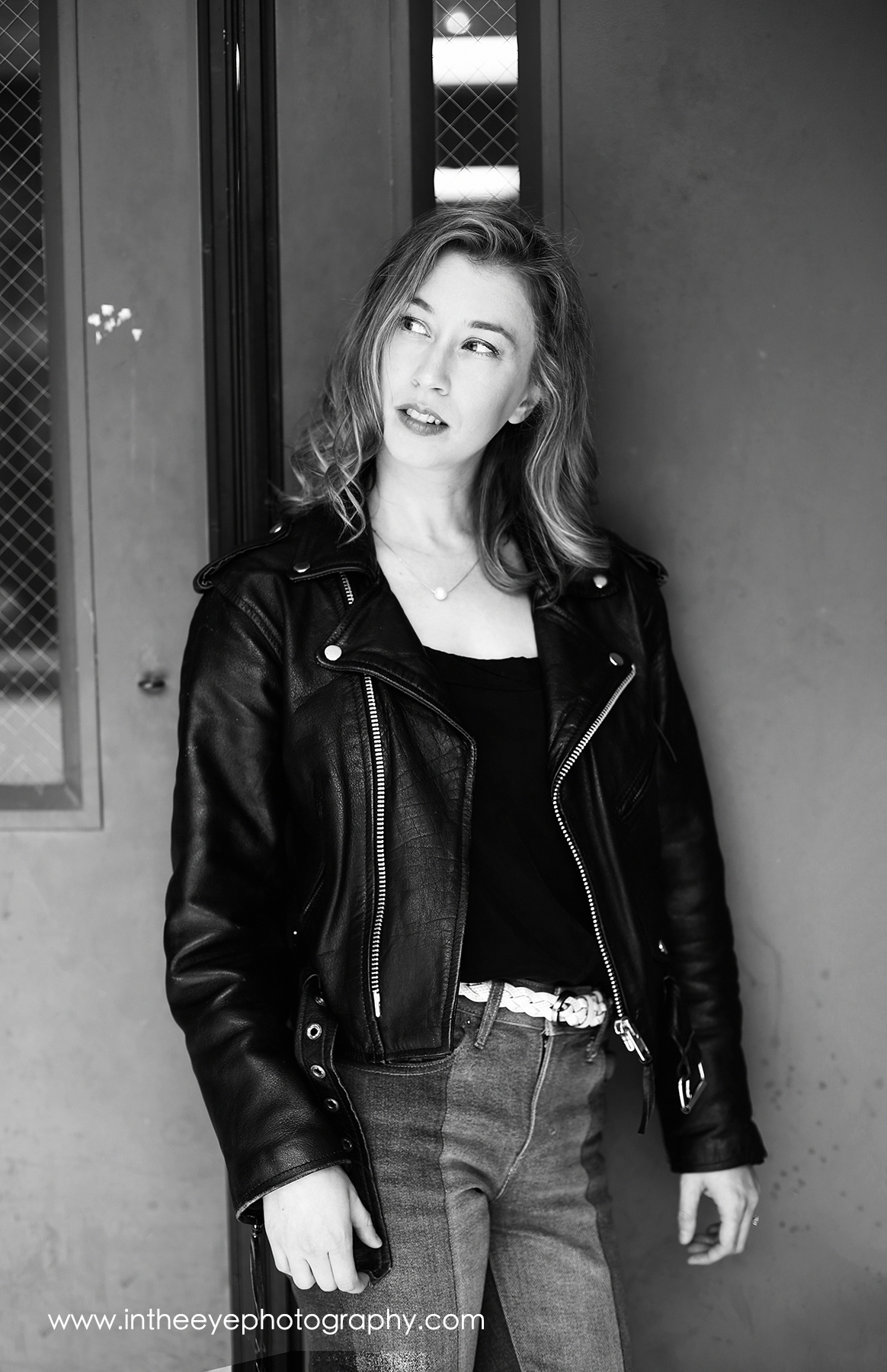
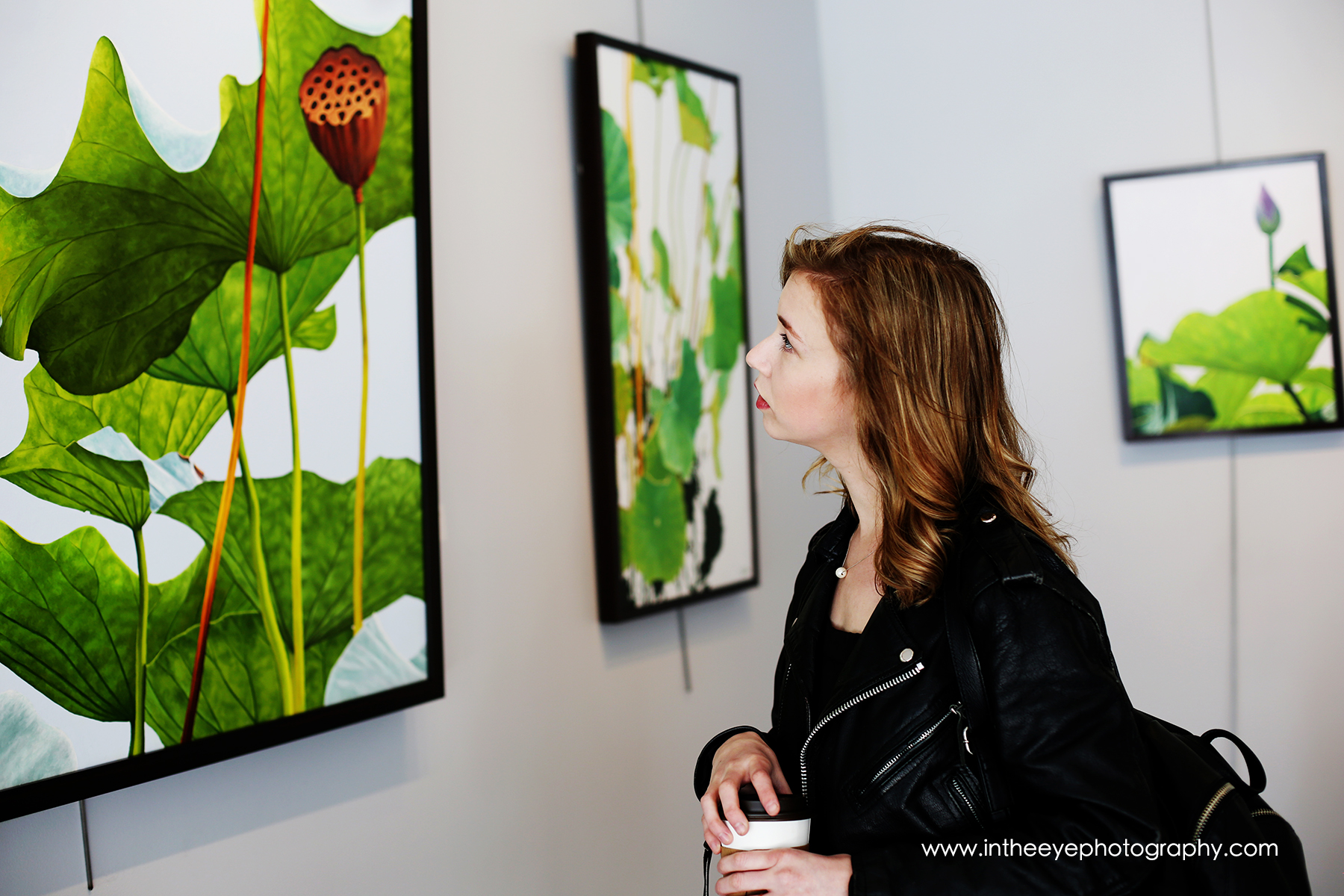
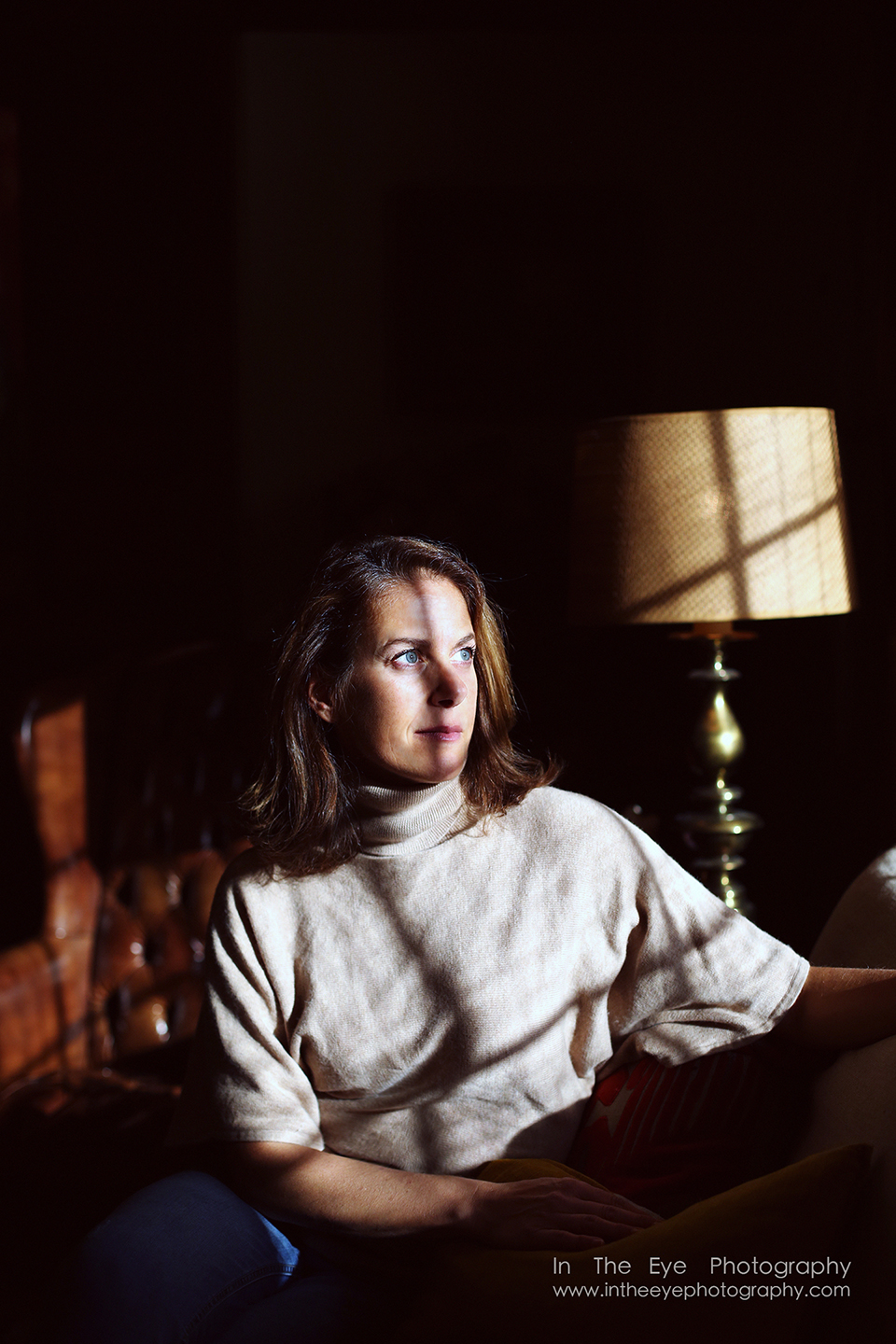
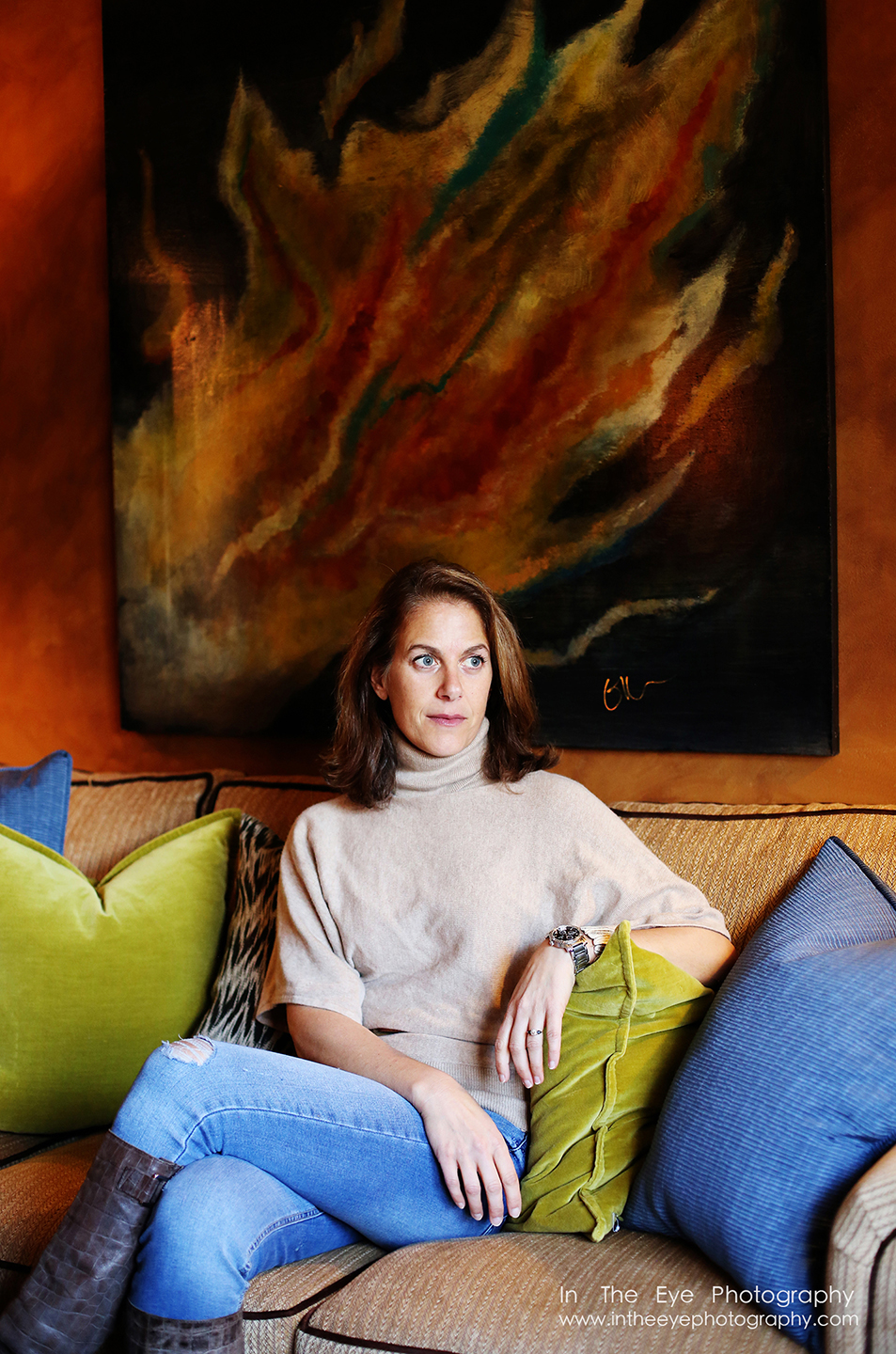
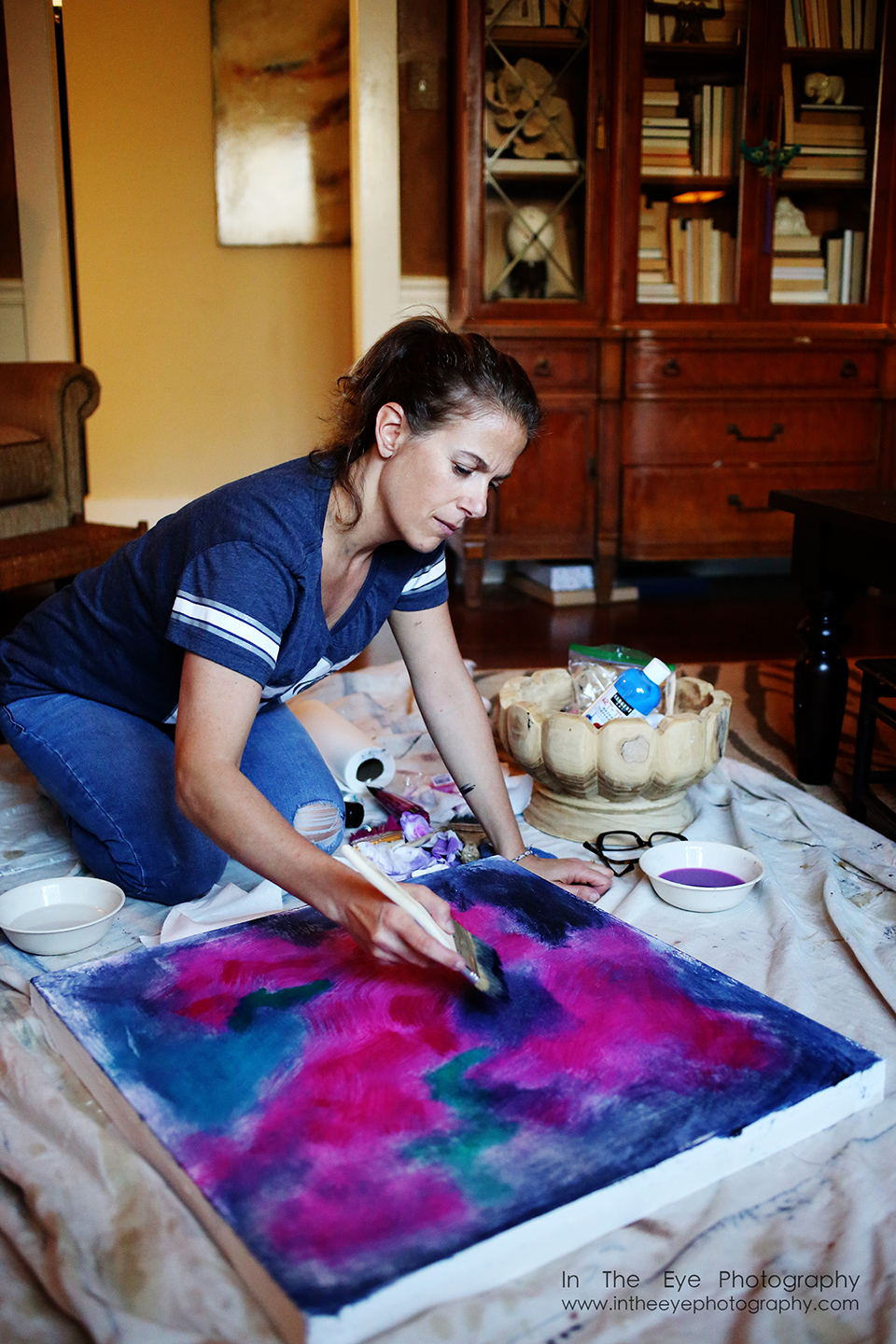
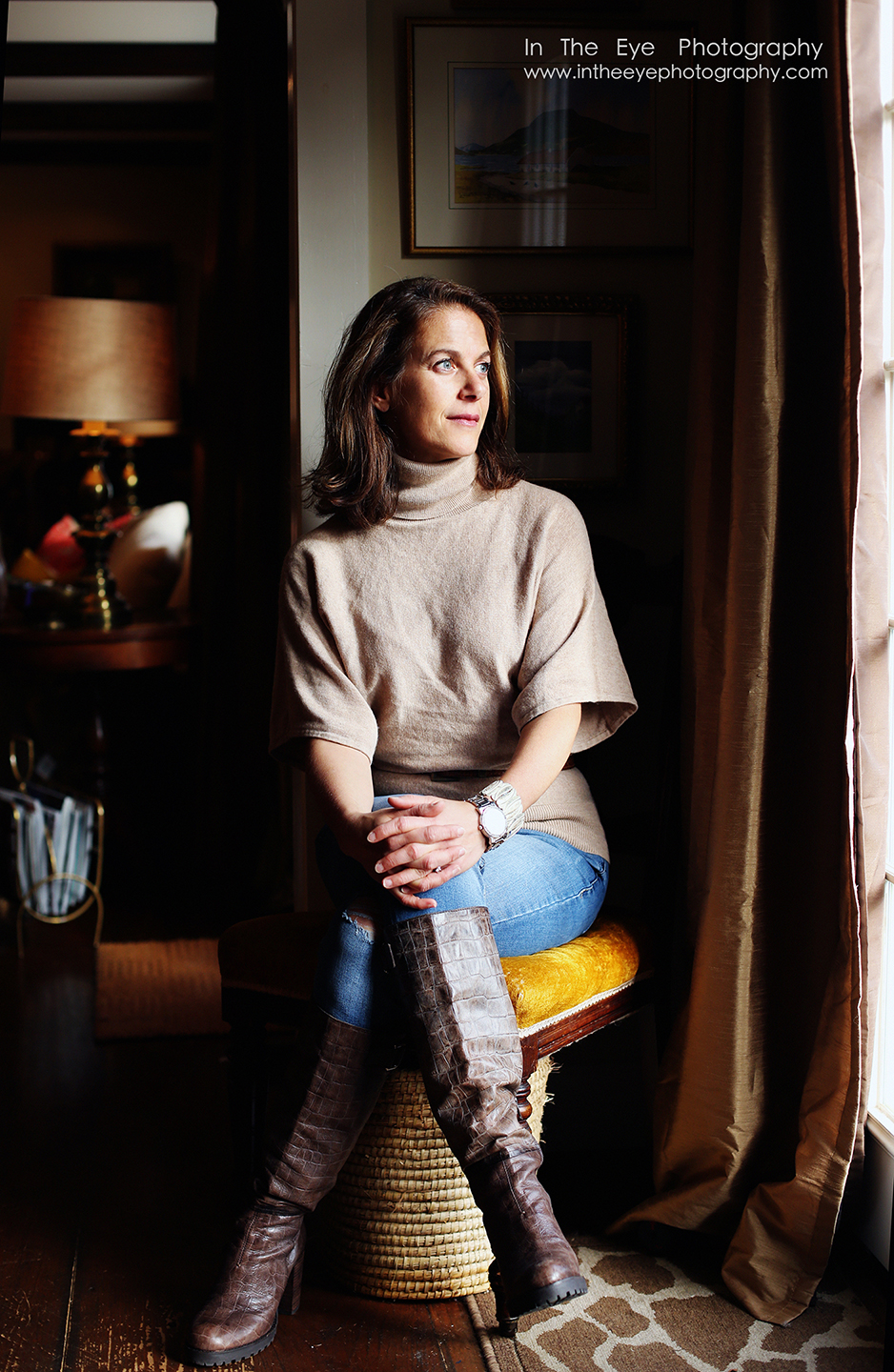
Meet Caroline, artist, art writer, event maker.
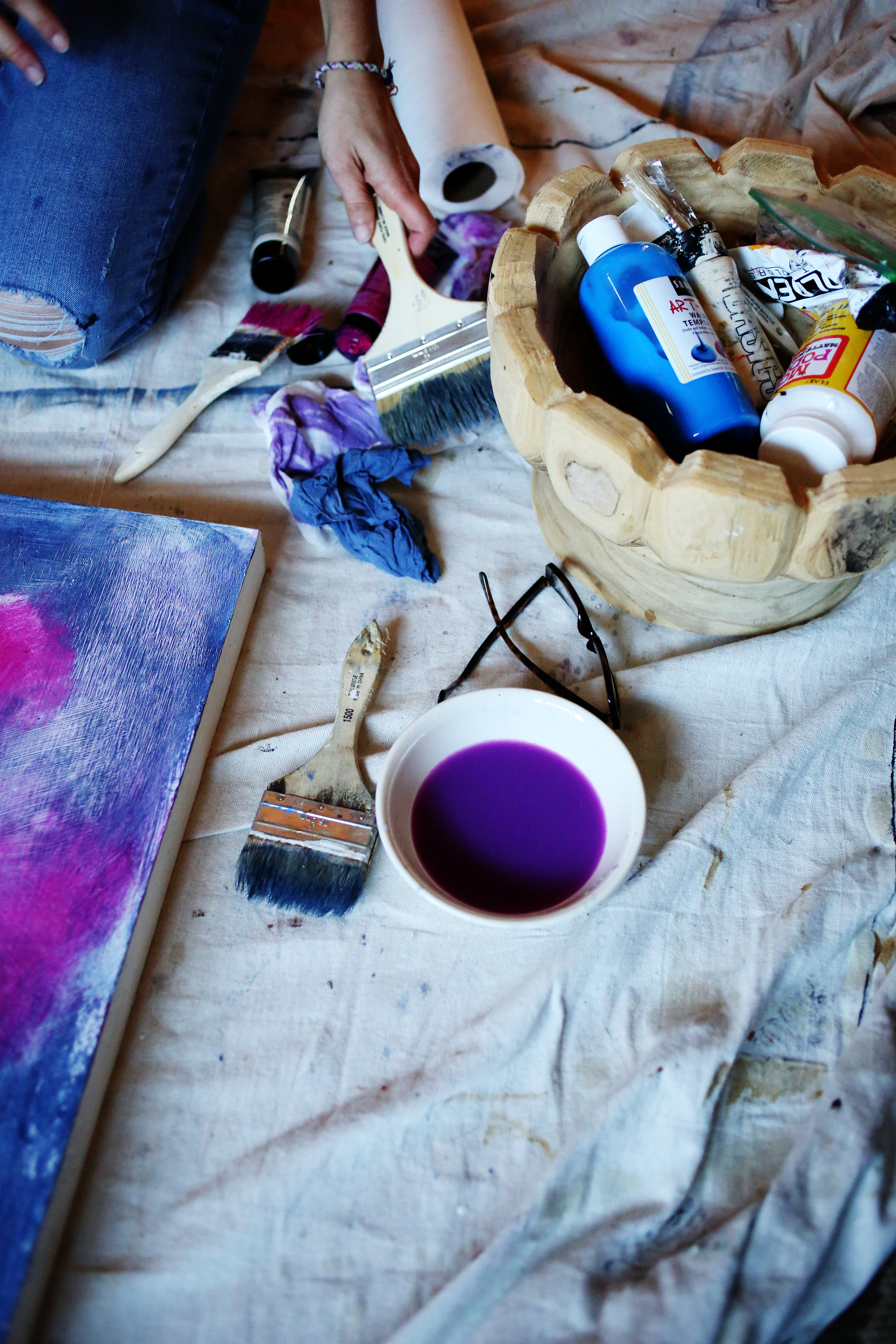
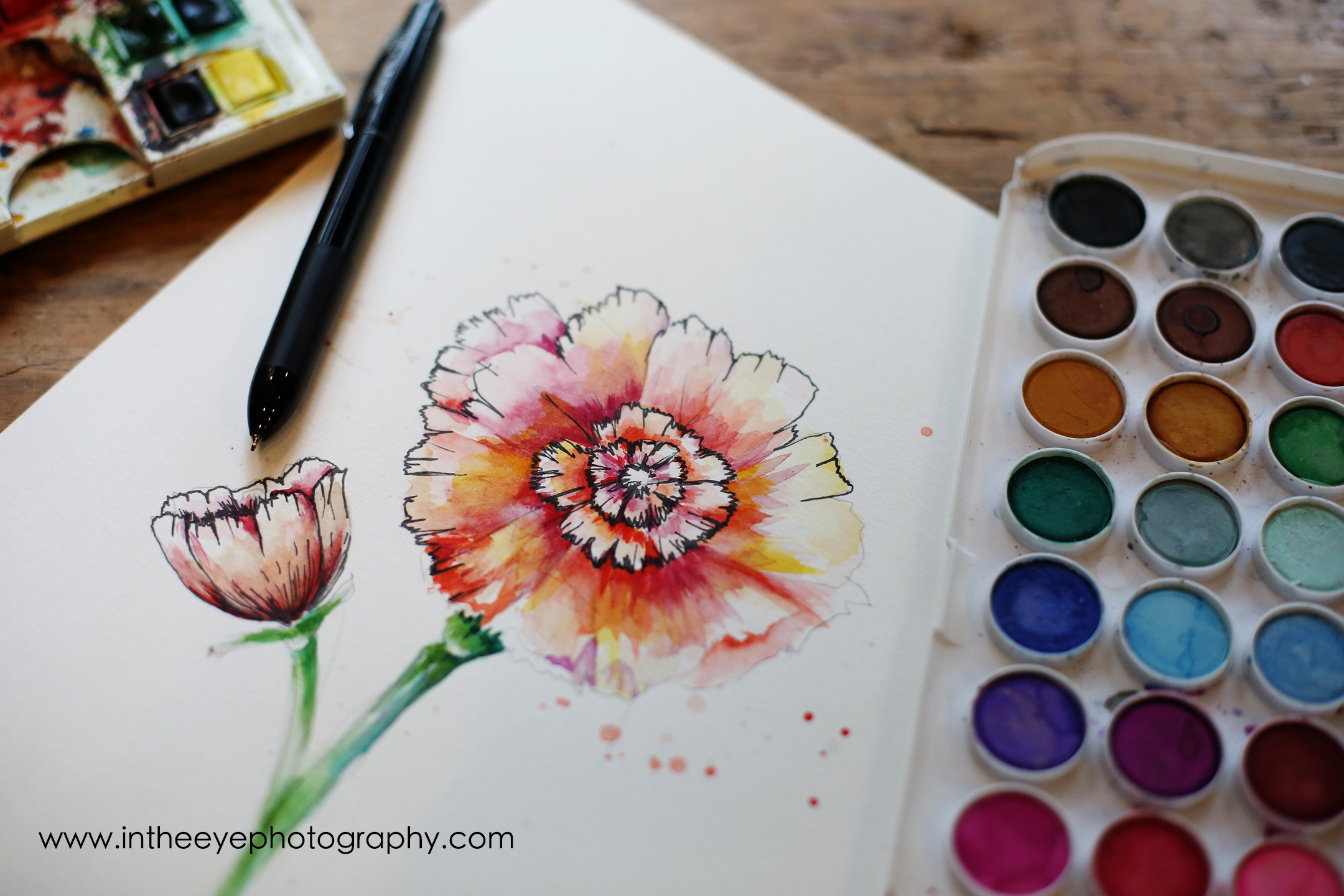
Right now I’m working on a few paintings for the Evening of The Arts. I’m looking to expand into some more fauvist styles of painting. I have also just learned how to frame my own work, so I’m practicing that as well.
We also have a Pop UP Art event in Kennett Square on June 1st so, stay tuned for more info!
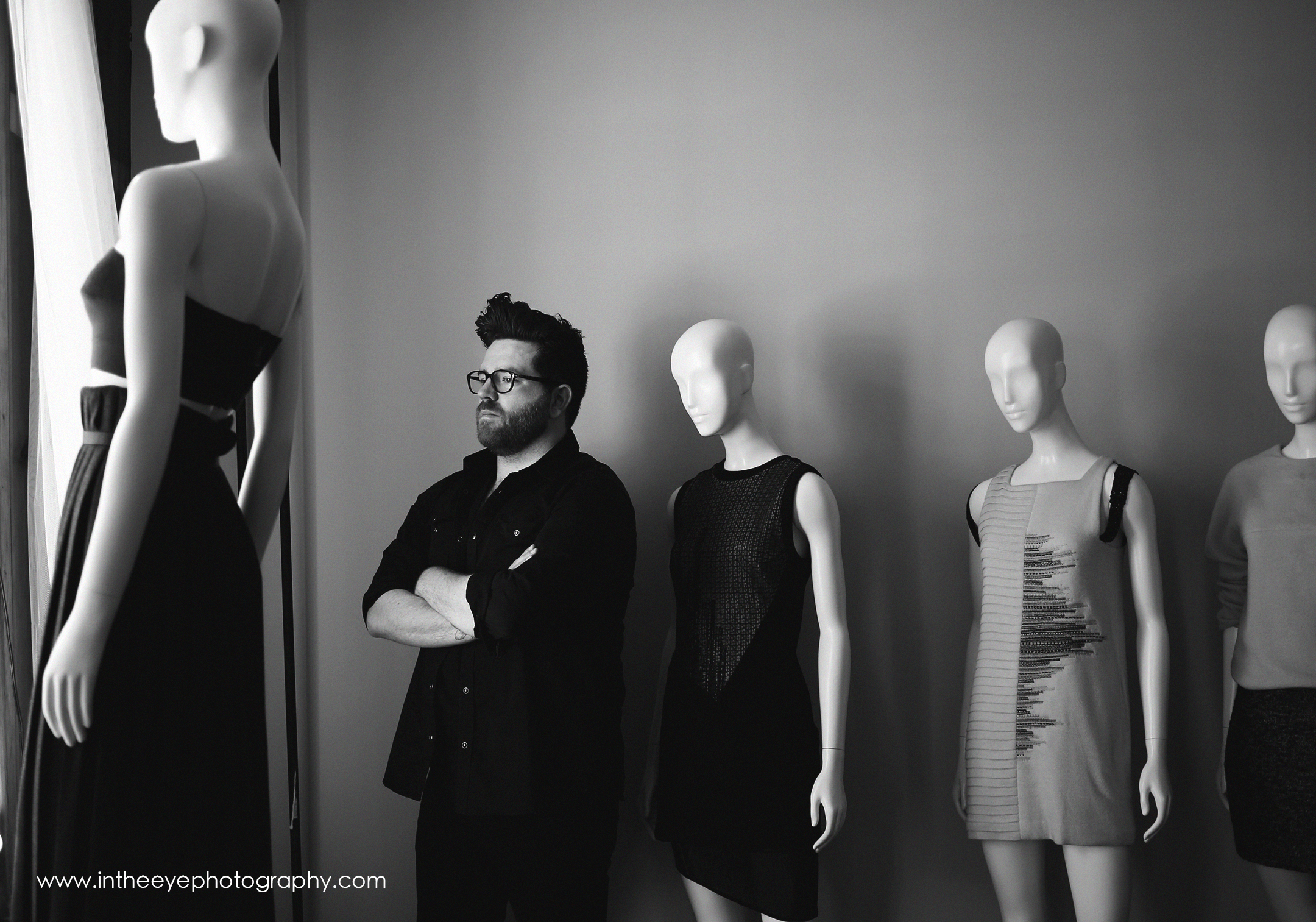
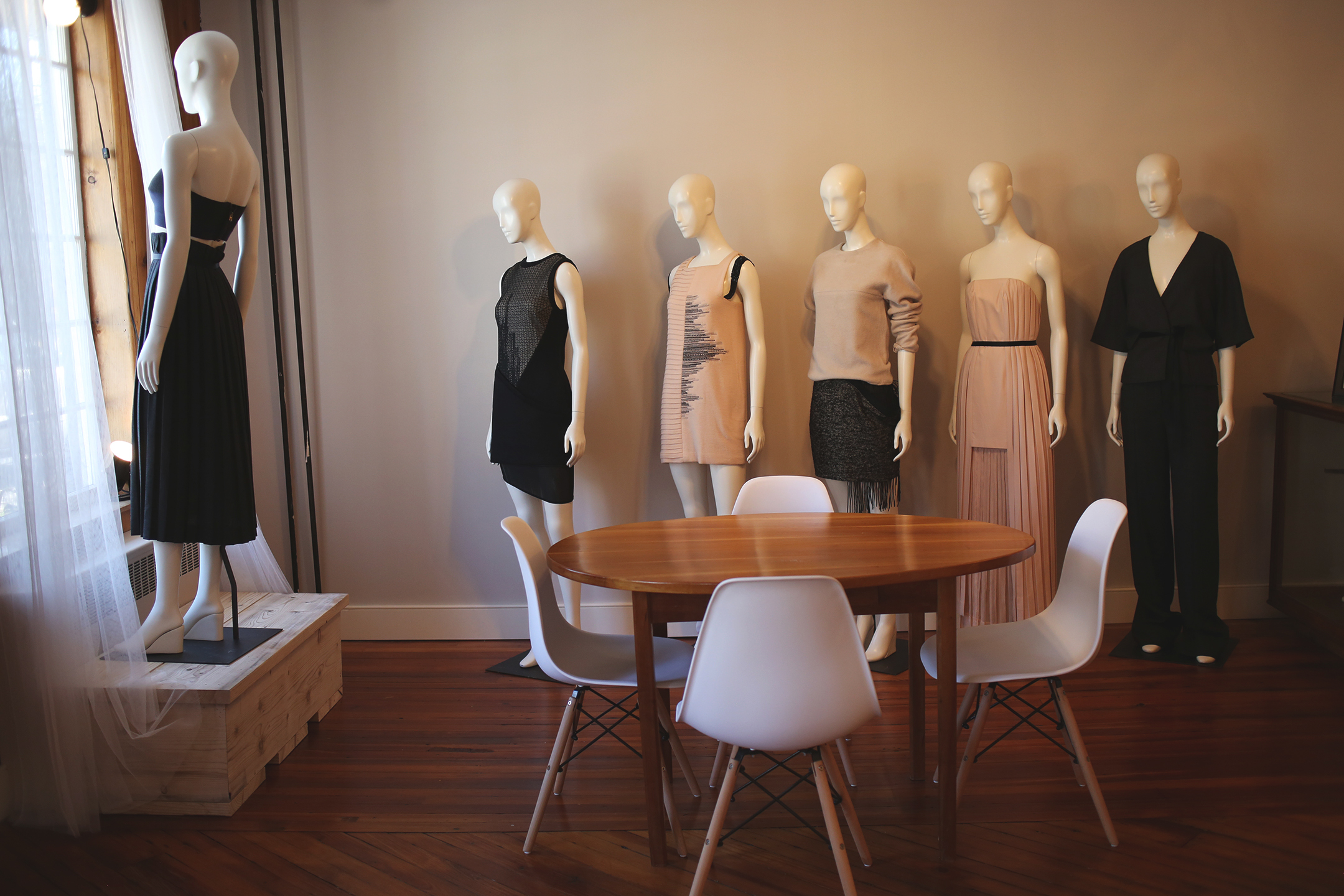
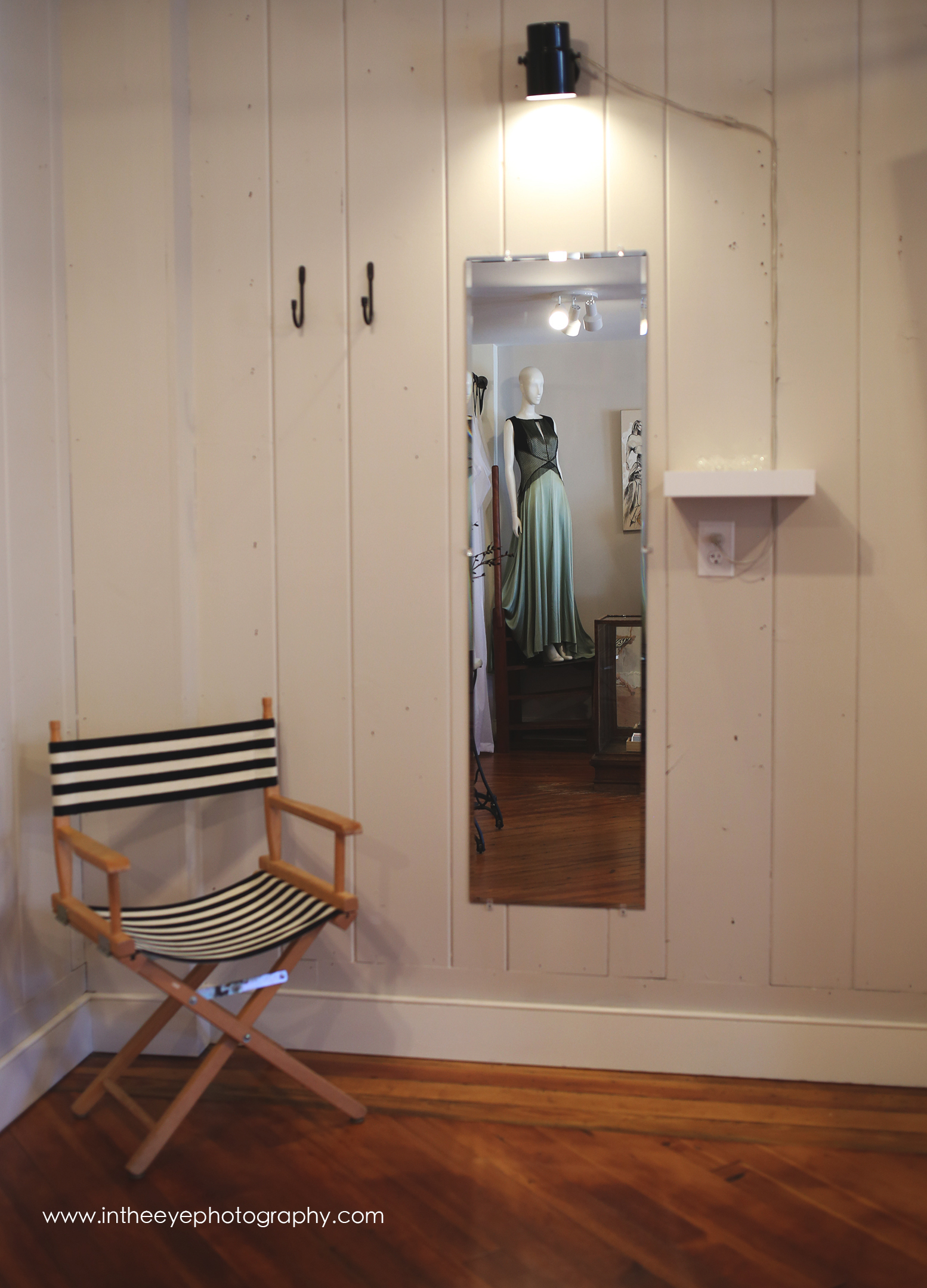
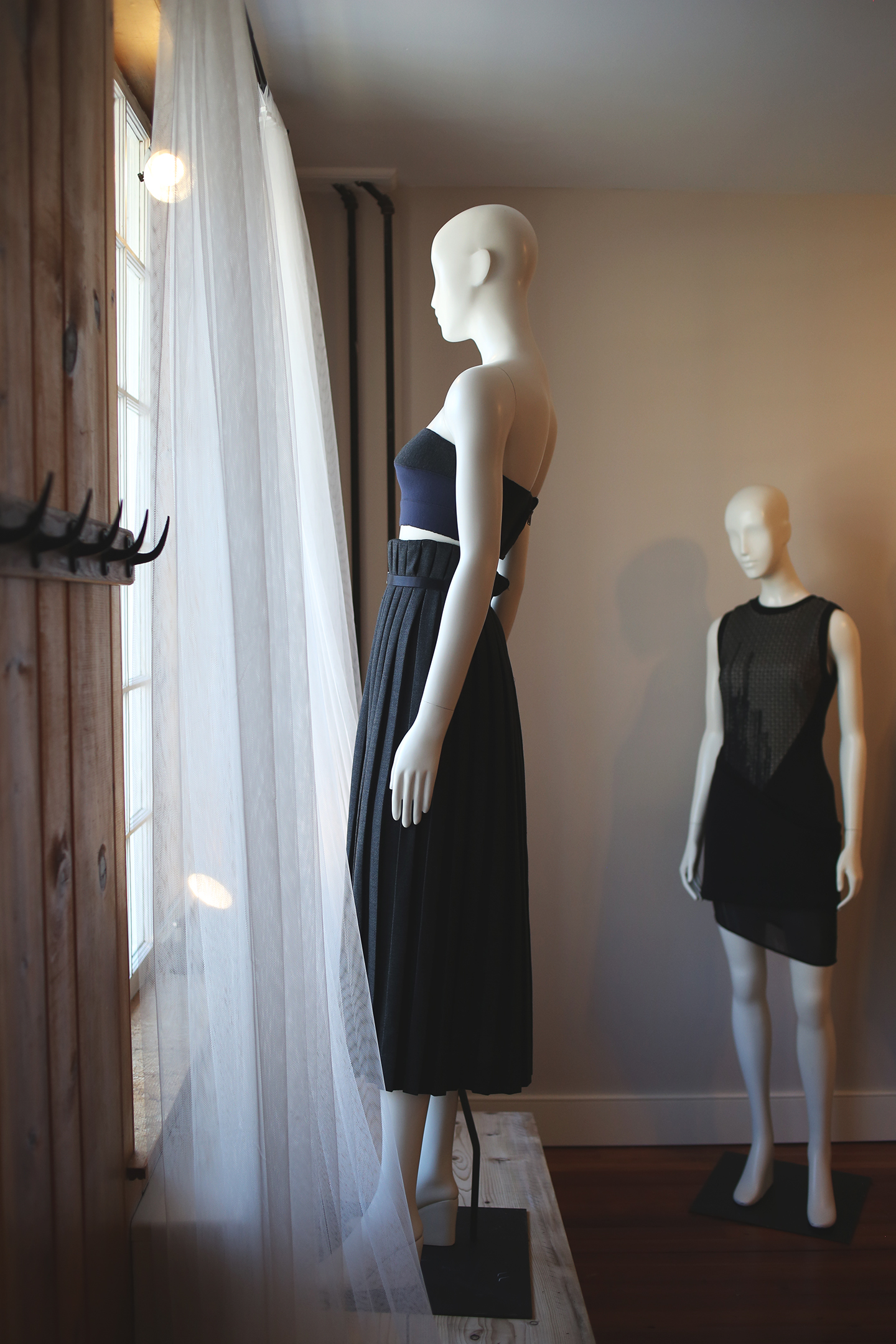
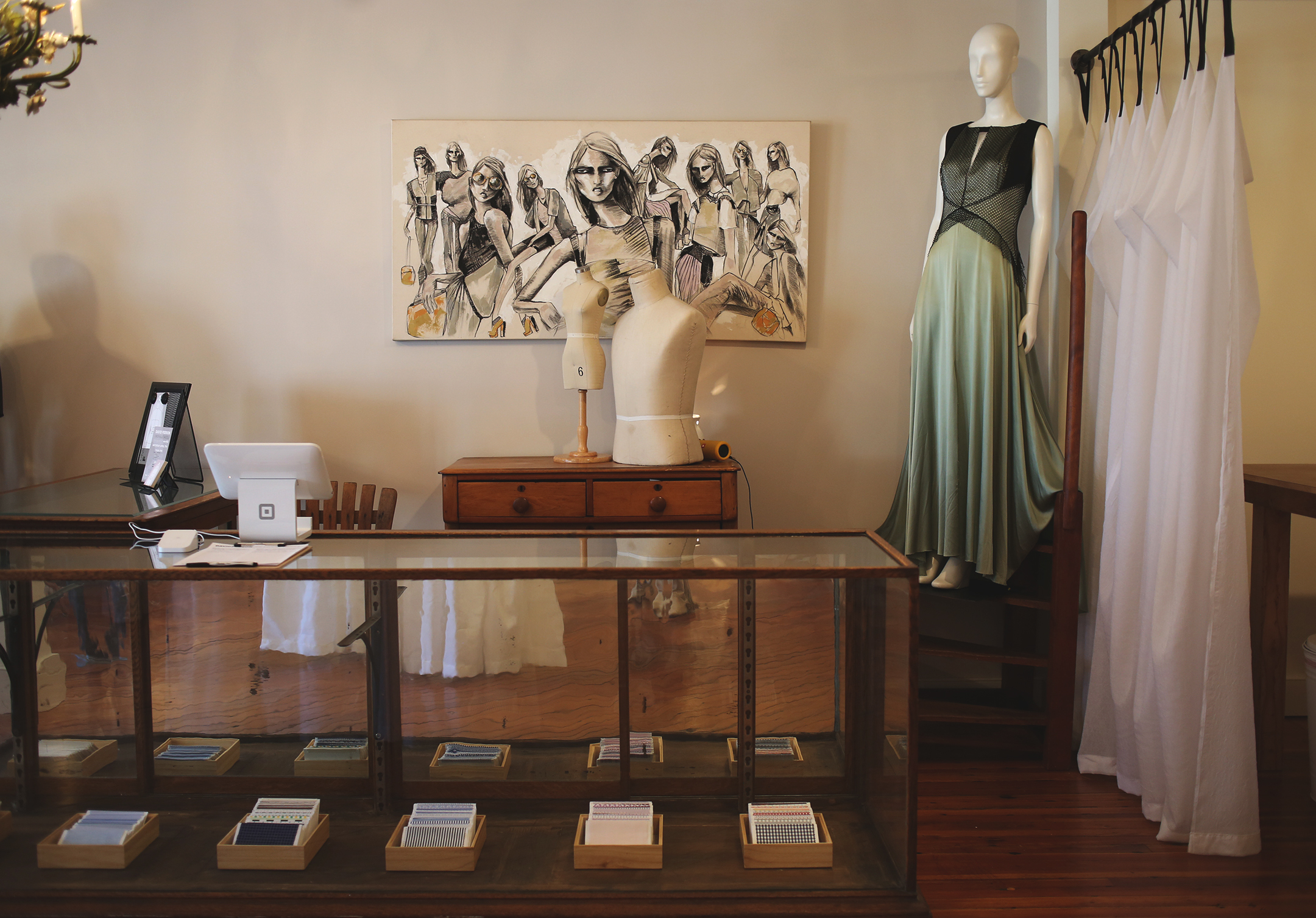
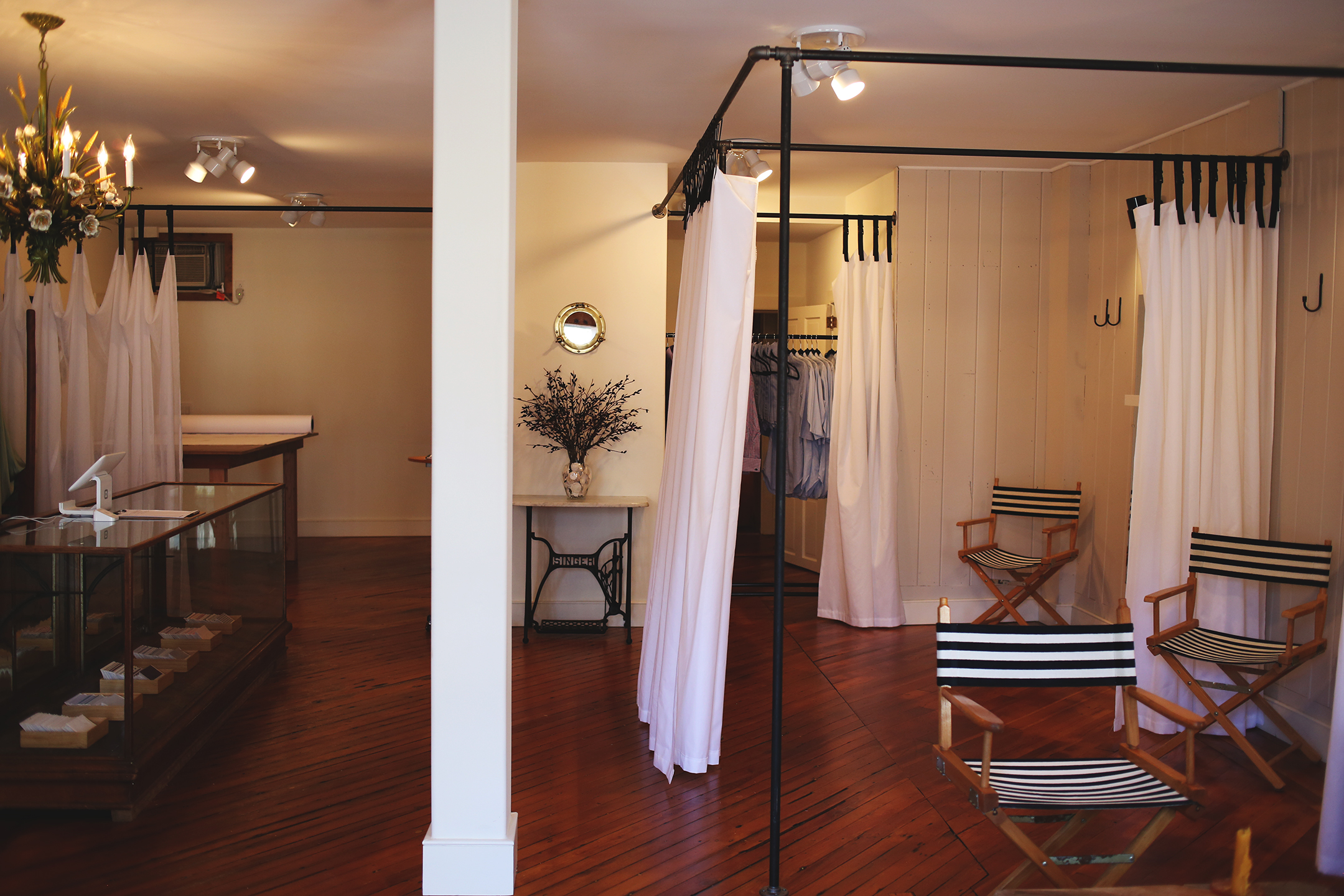
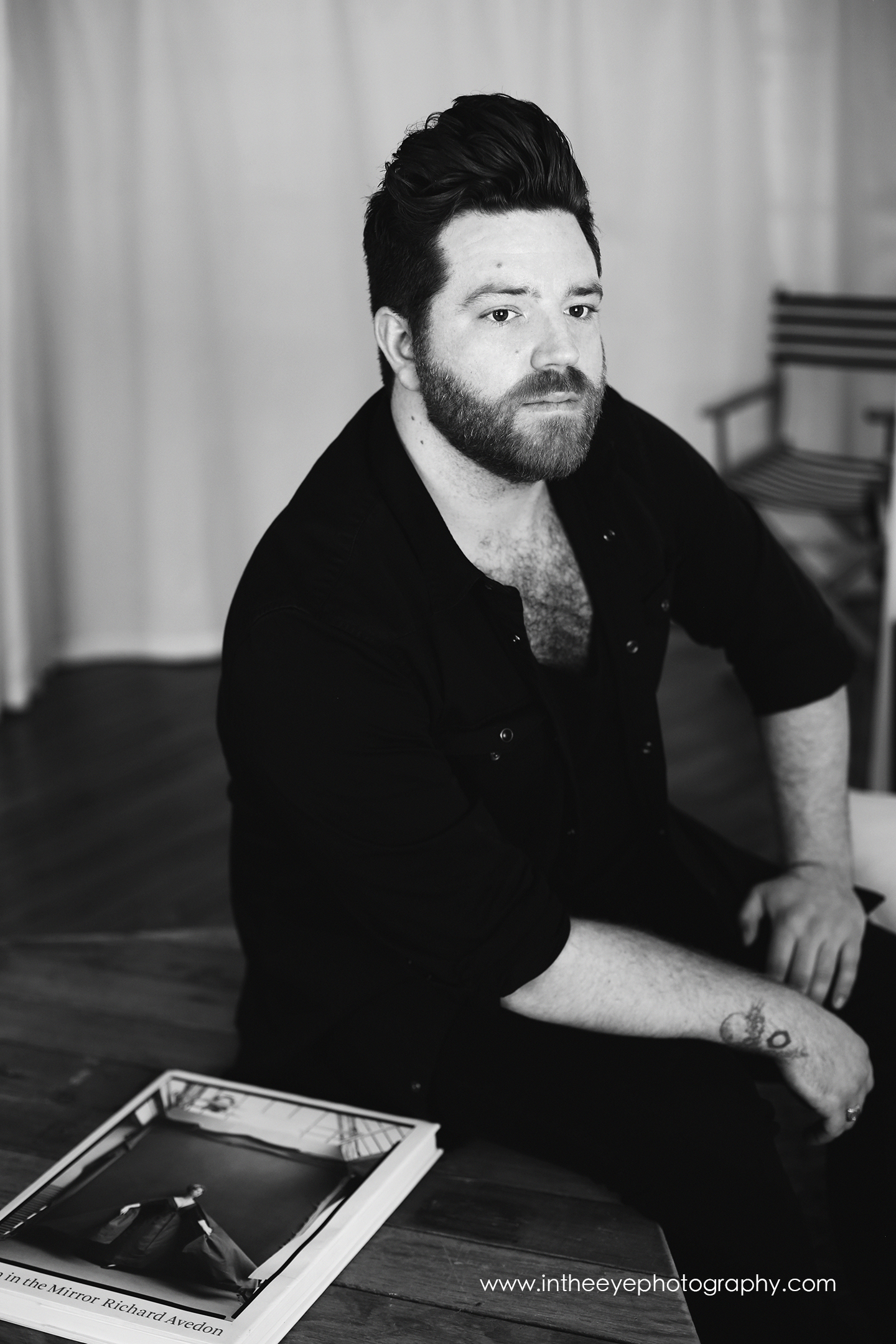
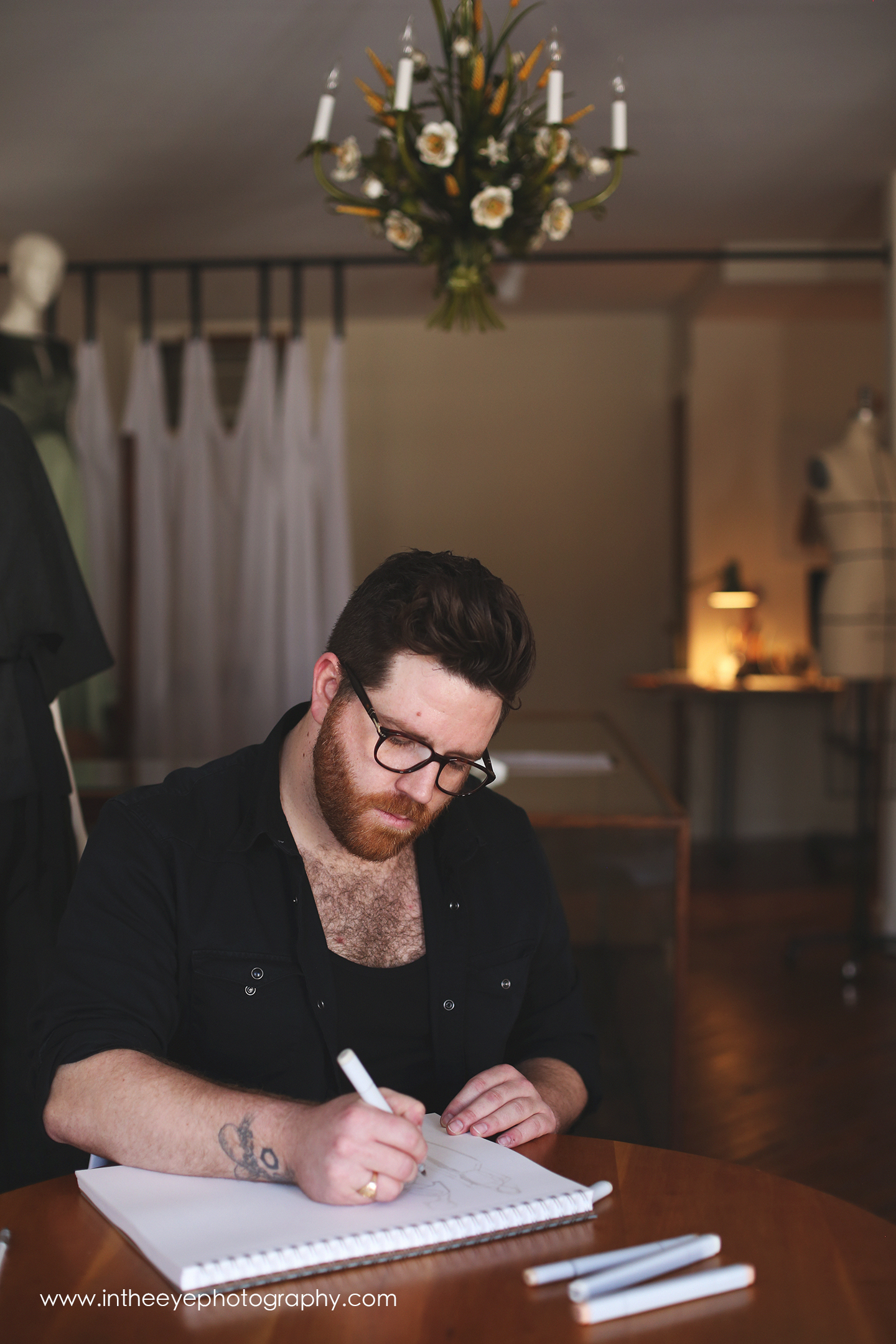
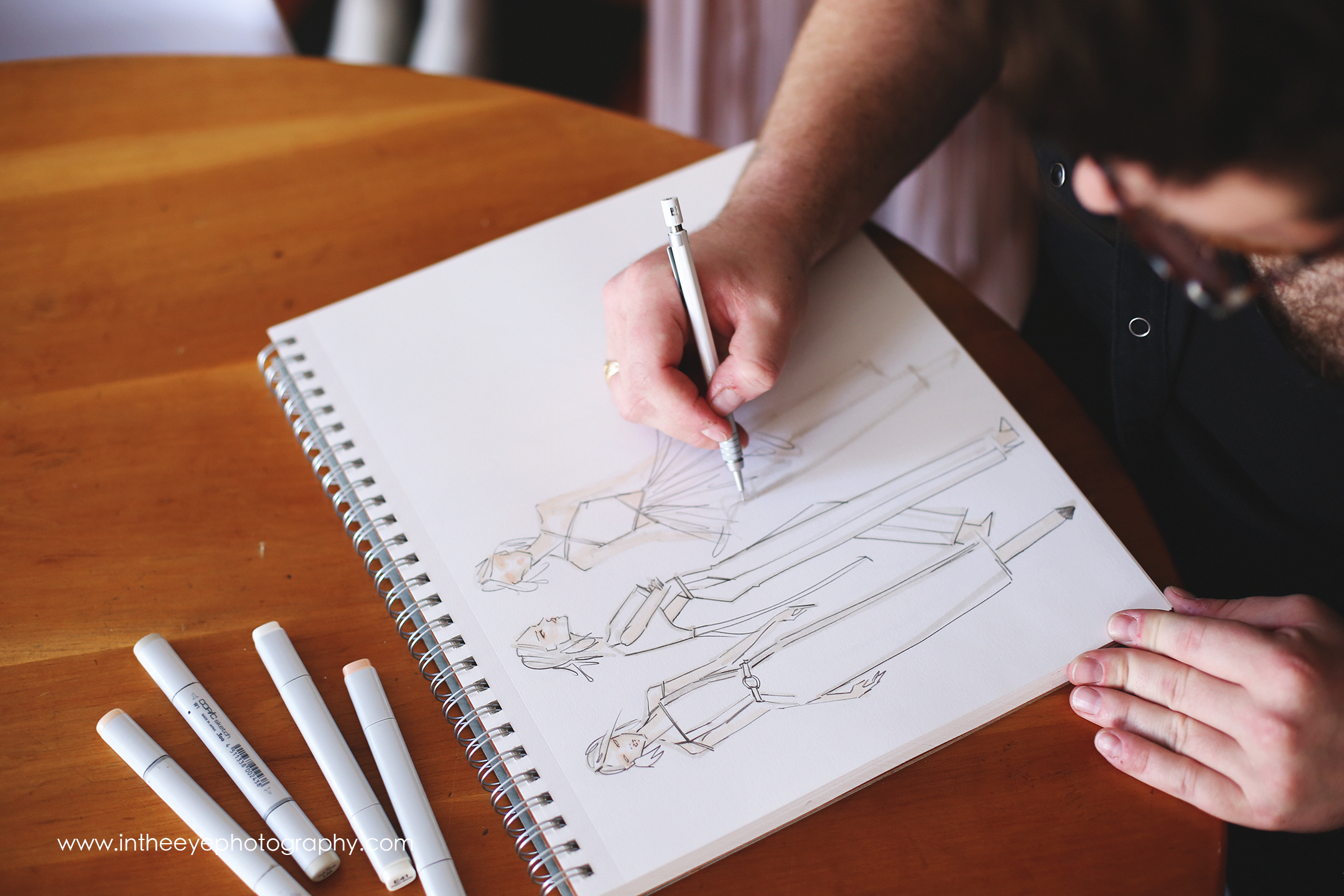
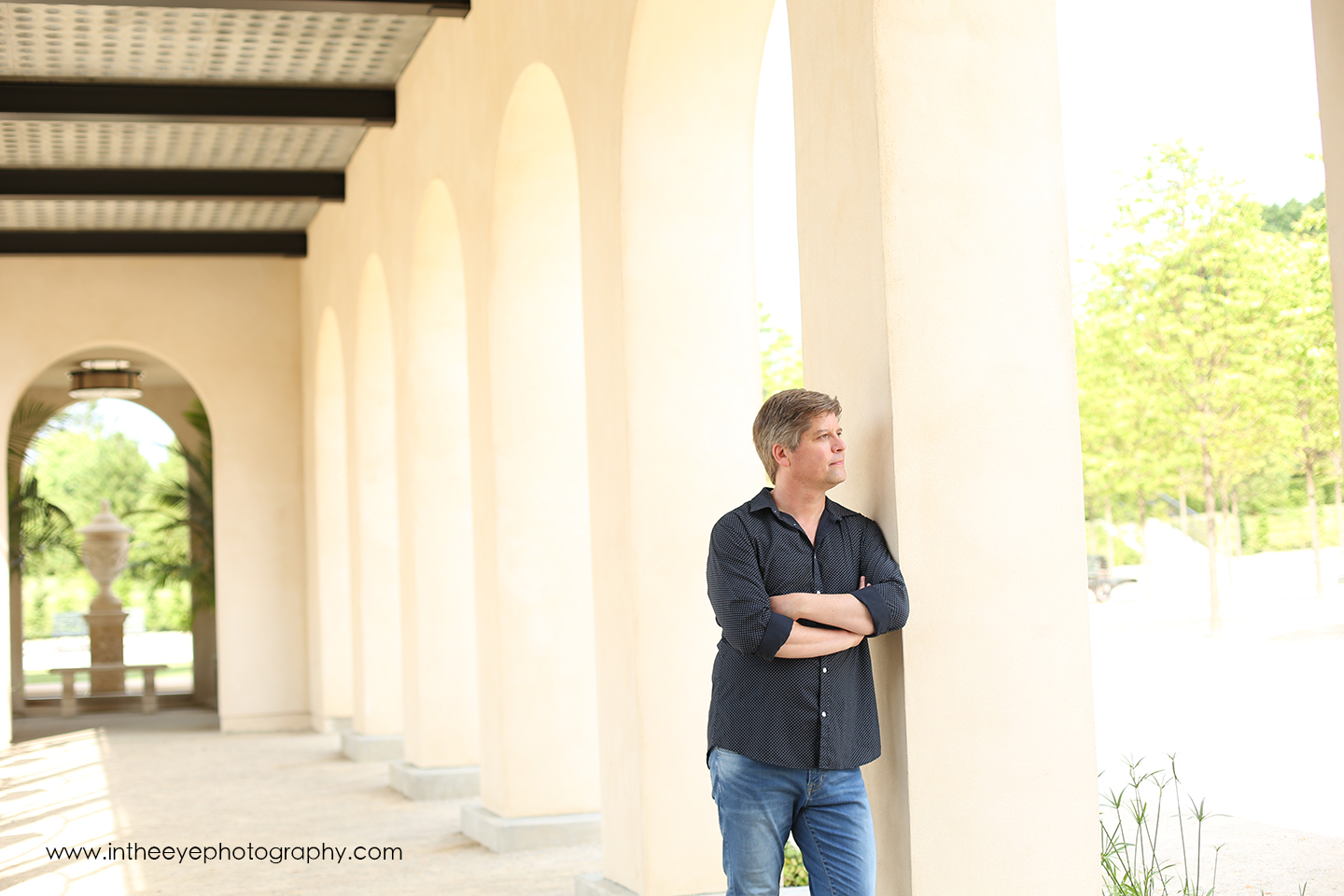
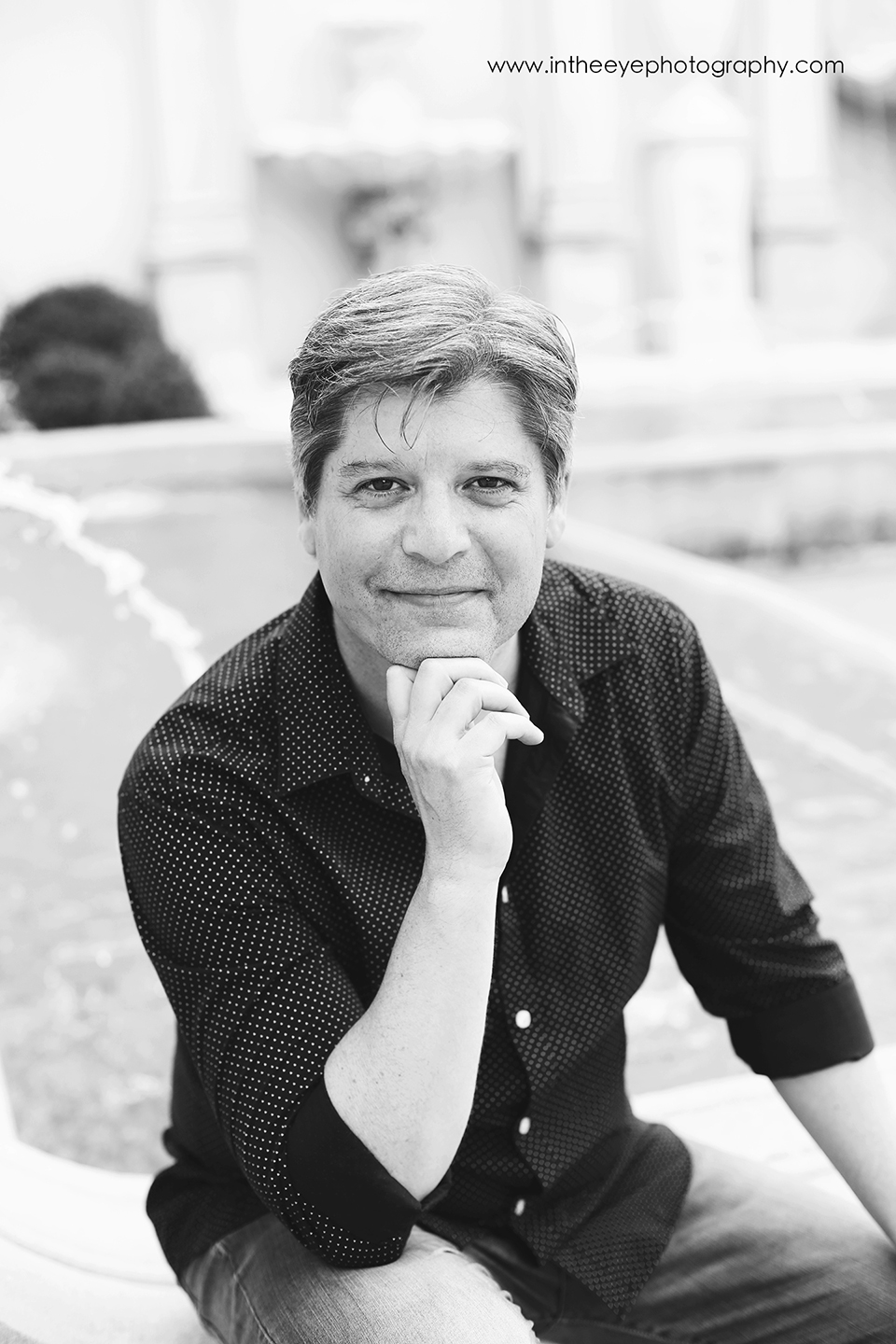
Meet David, the owner of Unionville Saddle. David is a fashion designer, after living in New York for a decade he is bring his love of custom garment making back to here.
What sparked your interest in fashion?
Growing up I always had an interest in fashion, I remember reading GQ or sketching what my favorite pop stars’ were wearing but I was always more interested in fine arts. I grew up painting and drawing and didn’t begin to sew until I was a senior in high school. I really got interested in fashion when I went to Parsons School of Design in NYC. While I was studying I realized that fashion was a way to communicate concepts while exploring traditional construction techniques and making people feel amazing.
What is your brand philosophy?
My brand philosophy revolves around the concept of Your Body Infinite Options. Studying and working in the fashion industry for a decade opened my eyes to some major flaws in the current fashion system. From not providing adequate sizing in stores to crippling runway and production costs I have decided to approach the business in a much different way by creating single pieces specifically to a client’s needs. I believe that clients are looking for something that is made just for them, in the past women would have clothes made for them by dressmakers, working one on one to create something completely original and with a perfect fit for them. My goal is to make every client feel at home while working with them to create pieces that will flatter every part of them, last, and look modern for years to come.
How do you describe your fashion and style?
I like when there is a mix of minimal clean lines and rawness, I love when frayed edges contrast the perfect fit. There always needs to be a balance comfort and elegance, weight and lightness, color and texture.
What are you fascinated by at the moment and how does it feed into your work?
Currently, I am working with the concept of my transition from a city life in NYC to life in Unionville. I have always used personal experience in life as my inspiration for my collections and this transition has been the most shocking and rewarding process of my life.
Talk us through the process of creating a garment. How long does it normally take to create a dress? what’s the procedure like?
Making a garment can take anywhere up to a year, particularly for bridal gowns. The process always begins with a conversation, what do you need, when do you need it, what will the function be? Then I will show a client some fabrics that may work with what they need and we begin to sketch. Once a design is selected I drape the piece, make a pattern, fit a muslin, and order the final fabric. Once the pattern is corrected I cut the garment in final fabric, sew it, and fit the final piece. Depending on how complicated the garment is it may need more fittings to get the correct the fit.
Check David’s website and instagram for more information.
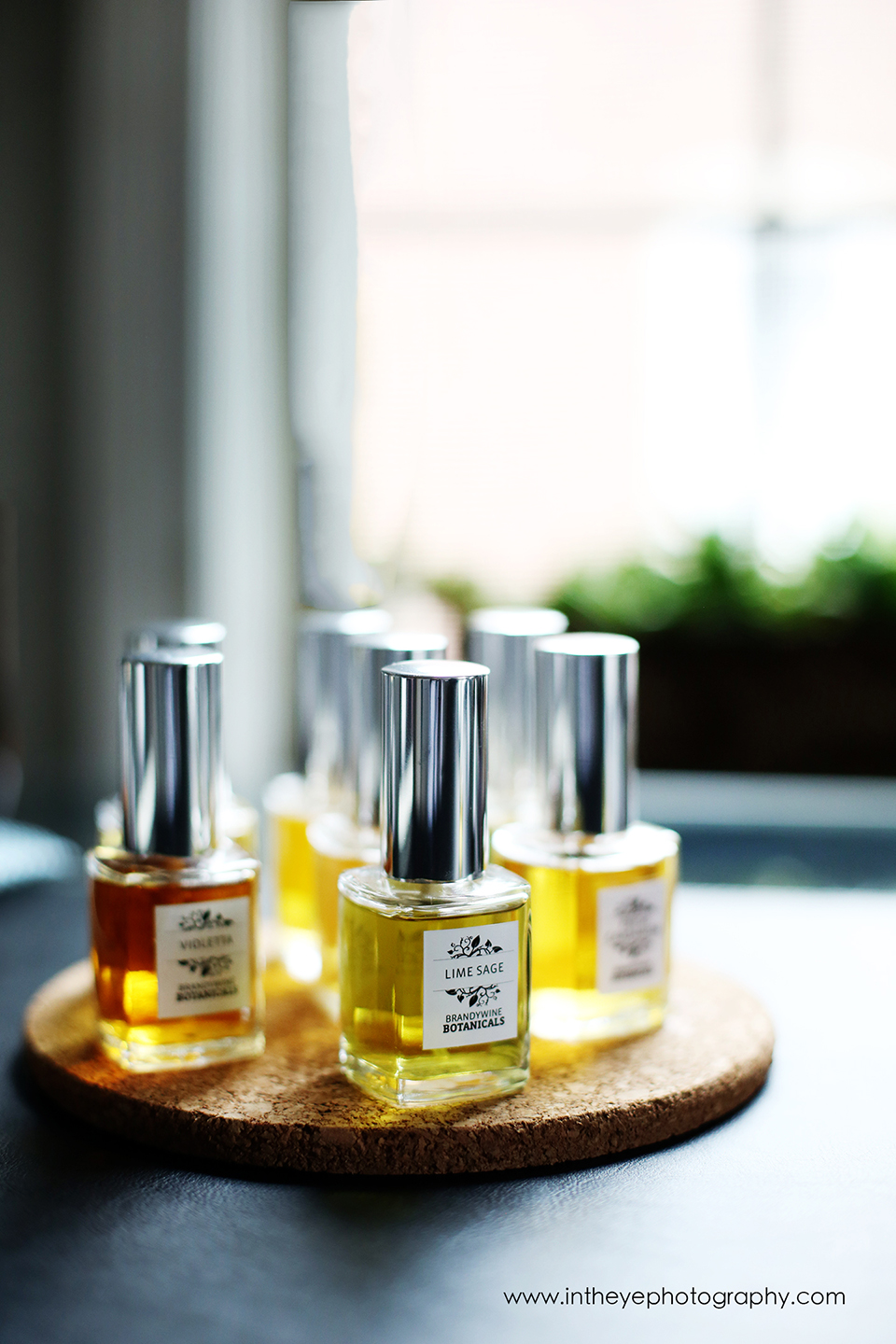
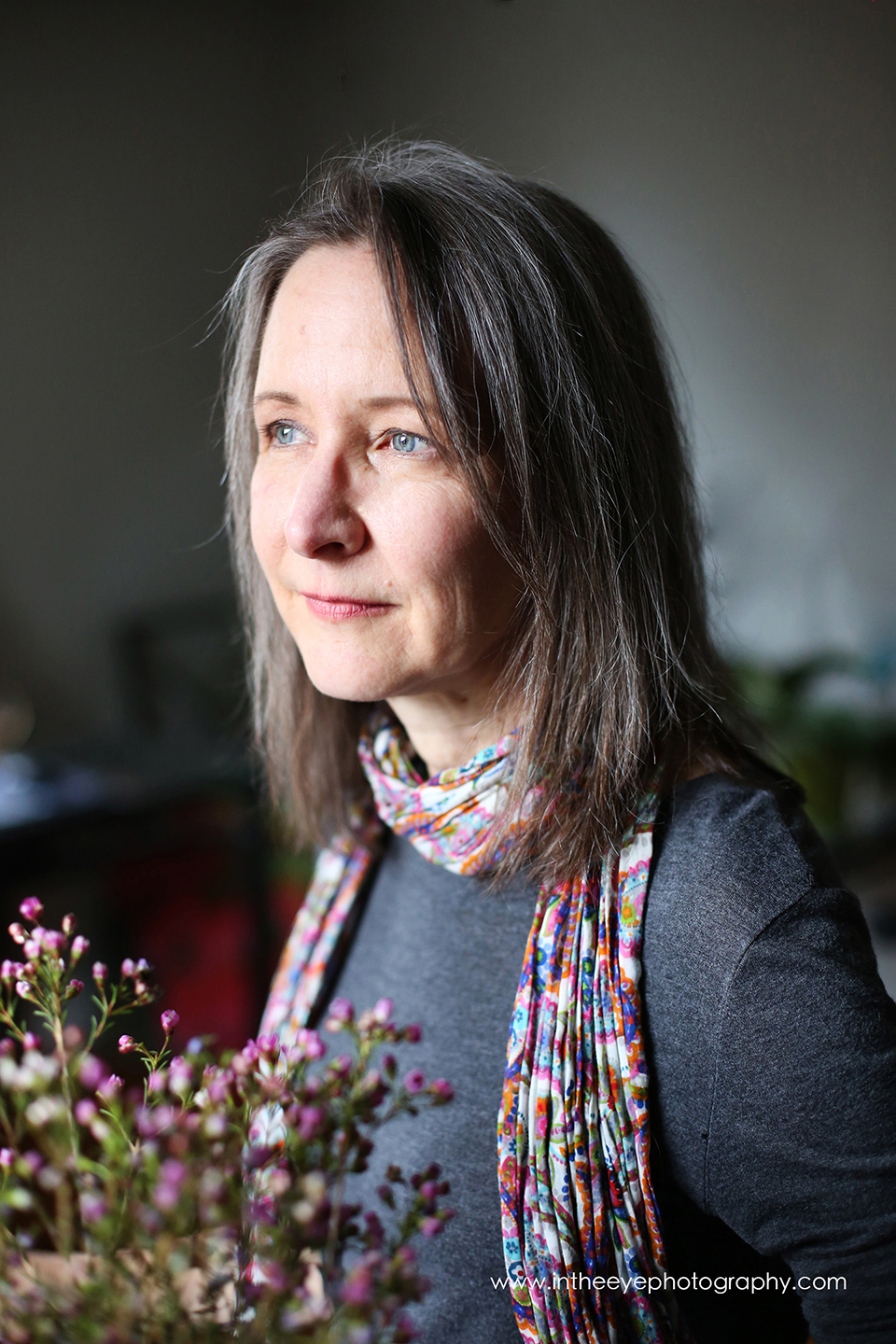
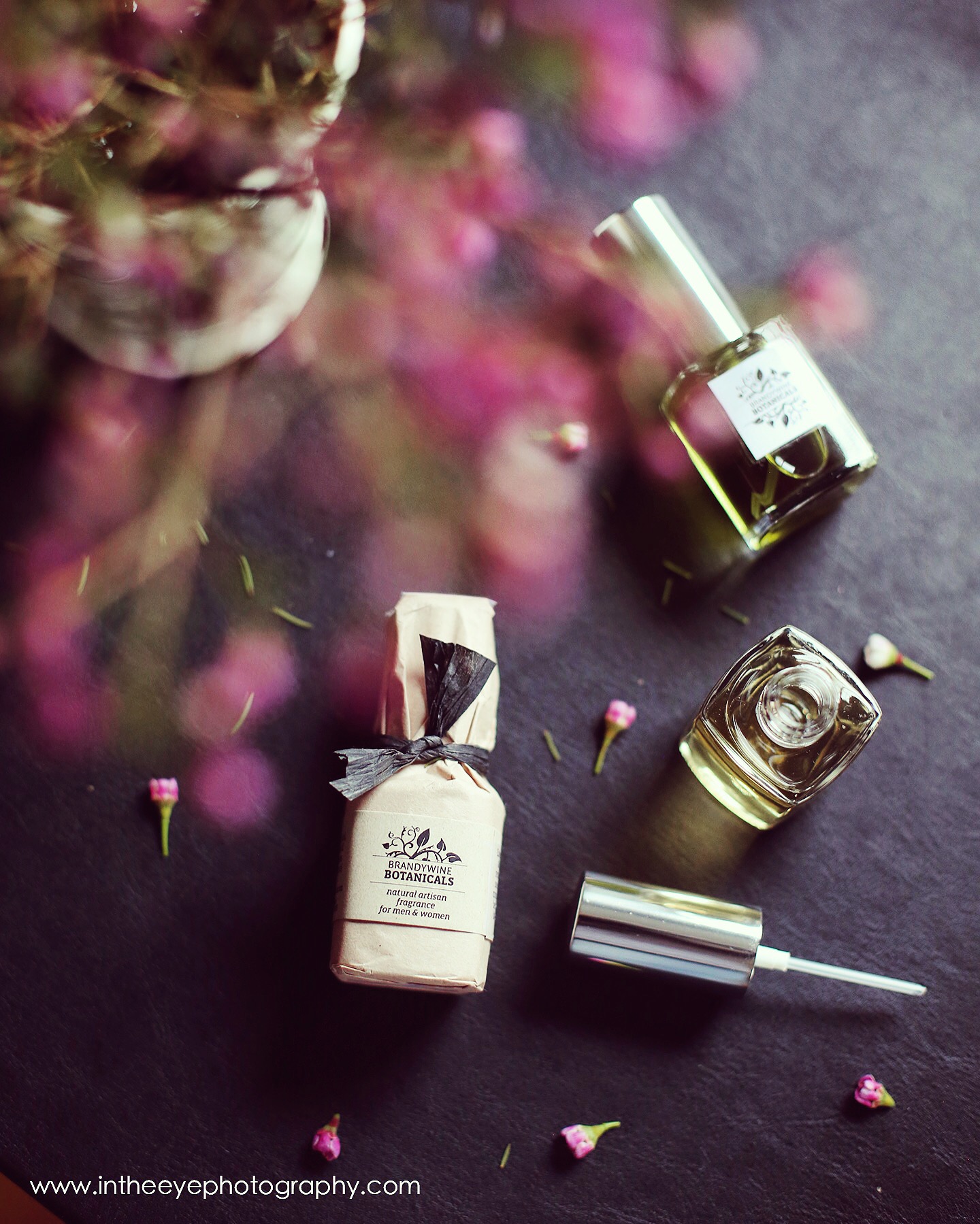
Meet Robin, the owner of Brandywine Botanicals. ” Robin’s experience in floral design contributes to an appreciation of artistic balance. She has always had an interest in unique fragrances and has spent the last several years researching products and learning about ingredients sourced from around the world. “–http://www.brandywinebotanicals.com
How did you become a perfumer?
I seem to change careers like most people change jobs and a natural fragrance business brings me full circle to my first job as a floral designer. Both floral and fragrance design are creative outlets that are based on design principles; they are a wonderful blend of art and science. One of the shops I worked at had a large garden center where it was easy to learn about plants, their care and their fragrance. I lived in the San Francisco Bay area for a while and the plants are amazing. There were rosemary shrubs and lemon trees growing in the yard and nonstop color all around me. Gardening was, and still is, a joy.
Perfume is a blend of art and science. Years as a critical care respiratory therapist required a background in science to understand our bodies and therapies used to treat injury and illness. This ties into the chemistry aspect of fragrance. We smell essential oils because they evaporate and that rate of evaporation is based on the size of the molecules and how they interact. Fragrance has an effect on our mood and often has therapeutic properties, something I am learning about through aromatherapy training. Experience in the corporate world comes in handy for running a small business. Anyone who is a small business owner understands that you wear multiple hats and often do it all.
So how did I become a perfumer? Blending essential oils and their beautiful scents was a hobby that grew after taking a single aromatherapy workshop. That workshop was followed by training with a very successful natural perfumer in Rhode Island. The last several years have been spent trying different blends, learning about the essential oils and enjoying an olfactory trip around the world.
Do you have a particular style or approach to creating fragrances?
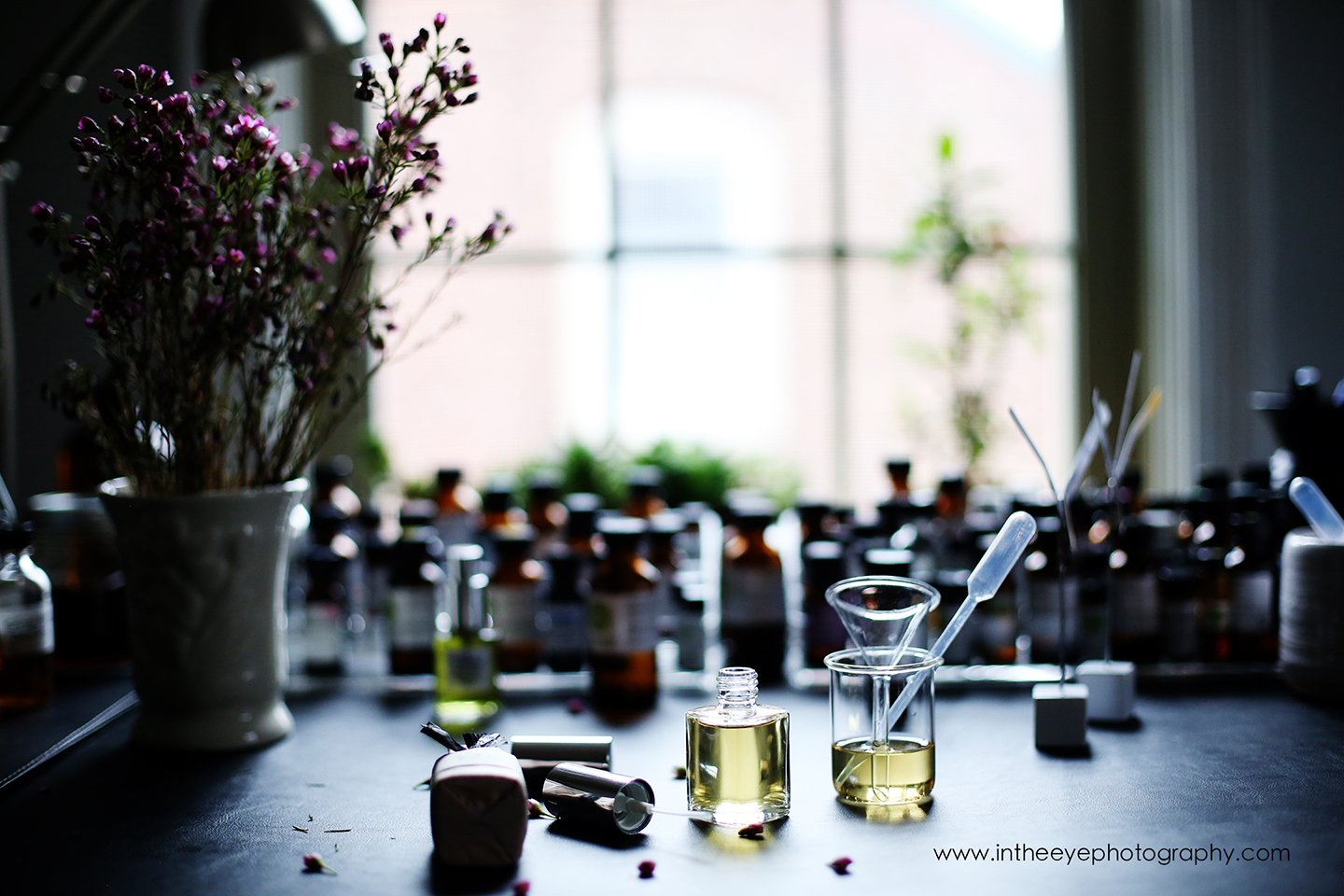
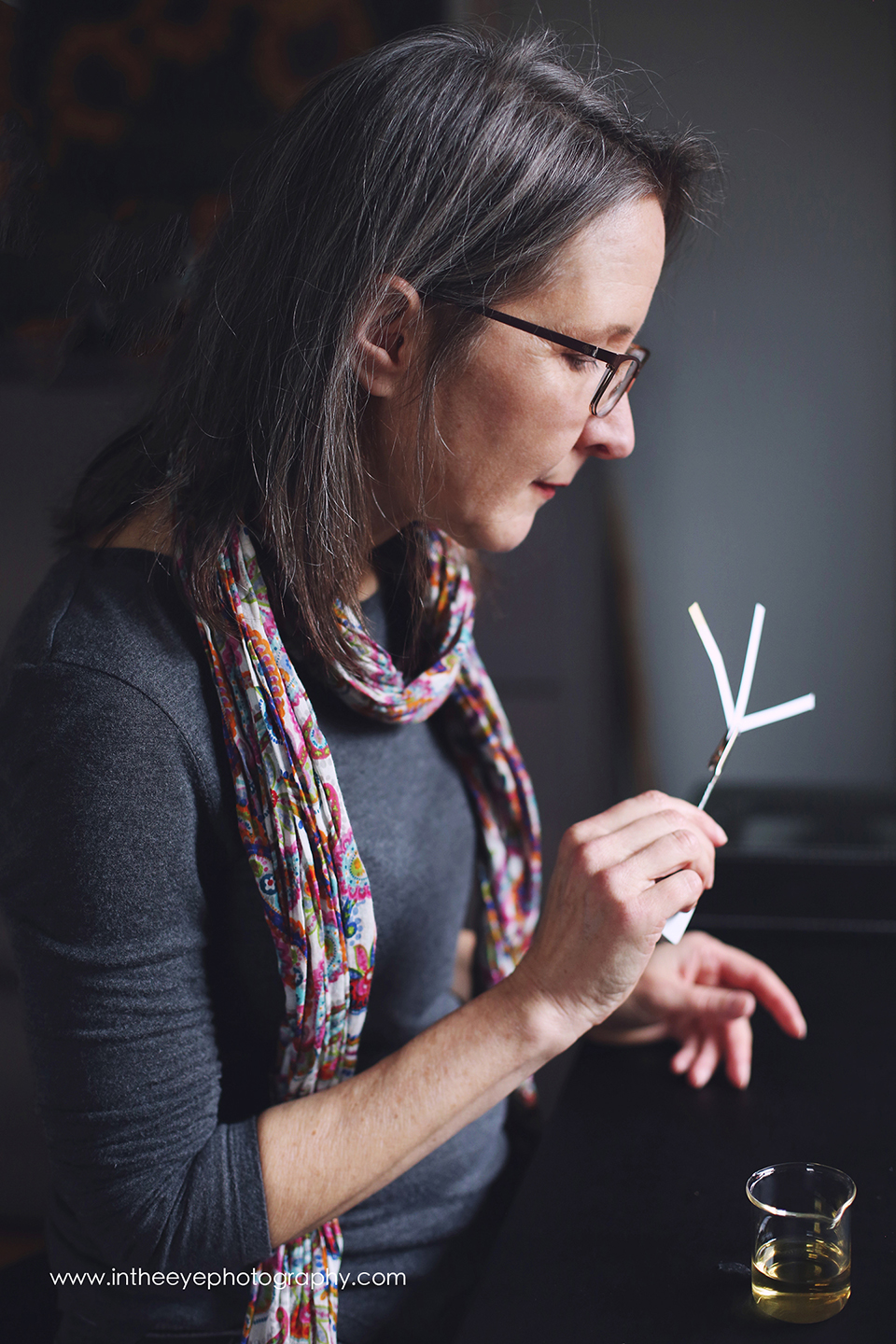
The concept for a fragrance can come from several directions but blending always starts in my mind. I may find a beautiful scent, like orange blossoms, try a new essential oil or simply read about a new ingredient or perfume that starts the creative process. The next step is similar to cooking. Just as you have an idea of what seasoning will work in a recipe, I consider what essential oils or botanicals will work together. For instance, will a blend need the spark of a little citrus? Perhaps a nice sandalwood as the base? Following design principles means using specific fragrance ‘notes’ together so you can smell a top note after applying the fragrance and experience a smooth transition to middle notes and the final base notes that last the longest for what is called the ‘dry down’. Then the fun really begins as I place a drop or two of each ingredient onto a test strip and try different combinations. Because natural fragrance does not contain preservatives or longer-lasting synthetic fragrance chemicals, it rarely lasts as long as a synthetic. The natural perfumer must carefully blend the fragrance notes and use essential oils that have fixative properties that help the overall blend last a bit longer. Creating a beautifully balanced blend is the artistry of natural fragrance.
Tell me about your favorite in the collection?
Almost Summer is a favorite because it was one of my first blends and it is a simple, beautiful orange blossom fragrance. It reminds me of driving along orange groves when the trees are in bloom. Everywhere you look you see the small white blossoms and their sweet, warm fragrance is carried by the breeze. It is a nice warm-weather fragrance and is uplifting during the colder months.
What projects are you currently working on and where do you want to take your business in the future?
This spring is a big turning point for Brandywine Botanicals. I will complete aromatherapy certification training in July and plan to offer an aromatherapy collection. This is likely to include a fragrant oil for massage or moisturizing and an aromatherapy spray that can be used to fragrance the home, linens and the skin. That is the beauty of natural ingredients: they can serve more than one purpose with less concern than something made from petroleum products as many home fragrances are. Certification also opens the door to starting a small practice where custom blends can be offered to those with a specific need. I work from my home studio so sell online and at local events but would like to find a small studio/retail space to offer fragrance, host workshops and support an aromatherapy practice. Location is challenging for a small business but I am always on the lookout for unique opportunities so stay tuned!
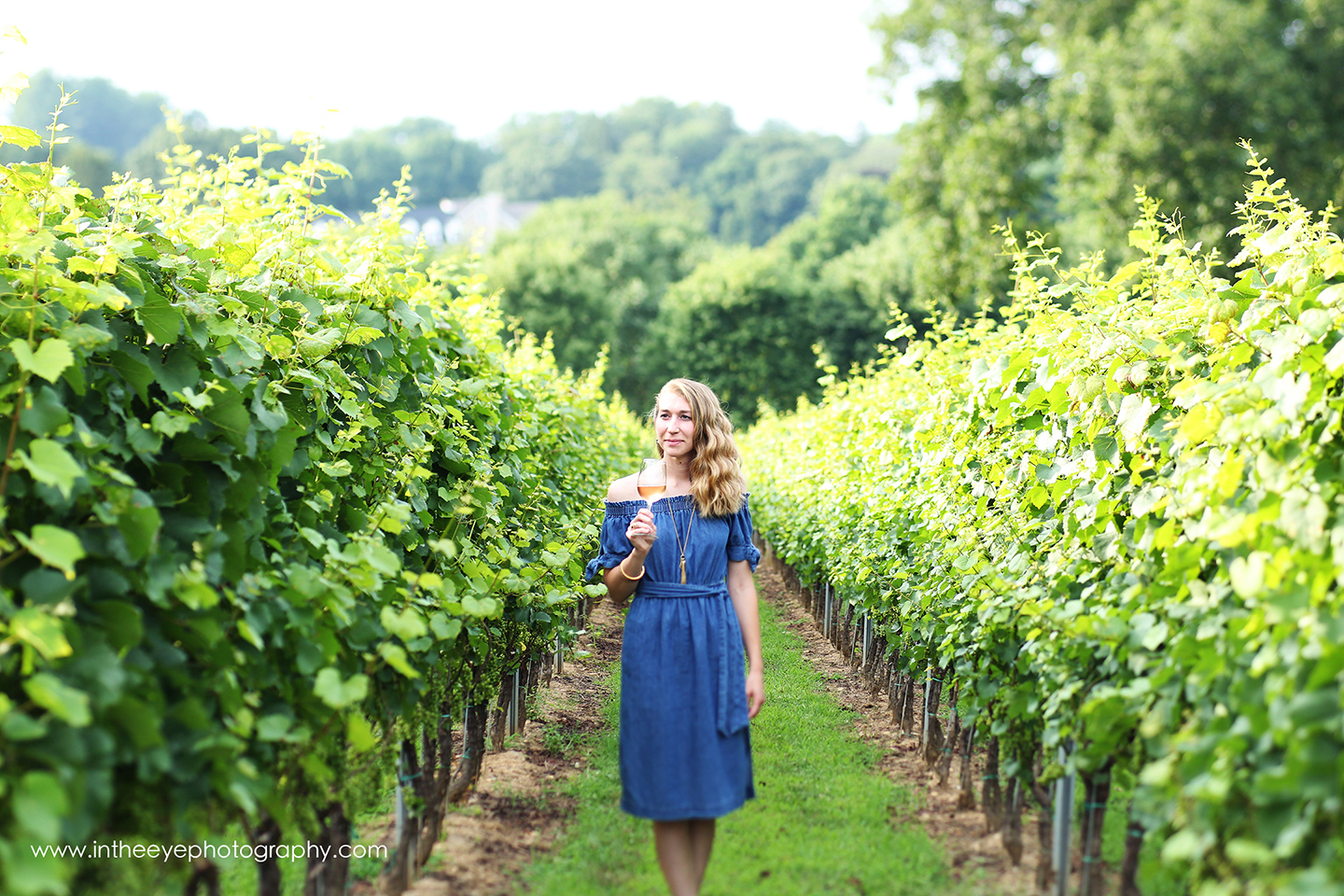
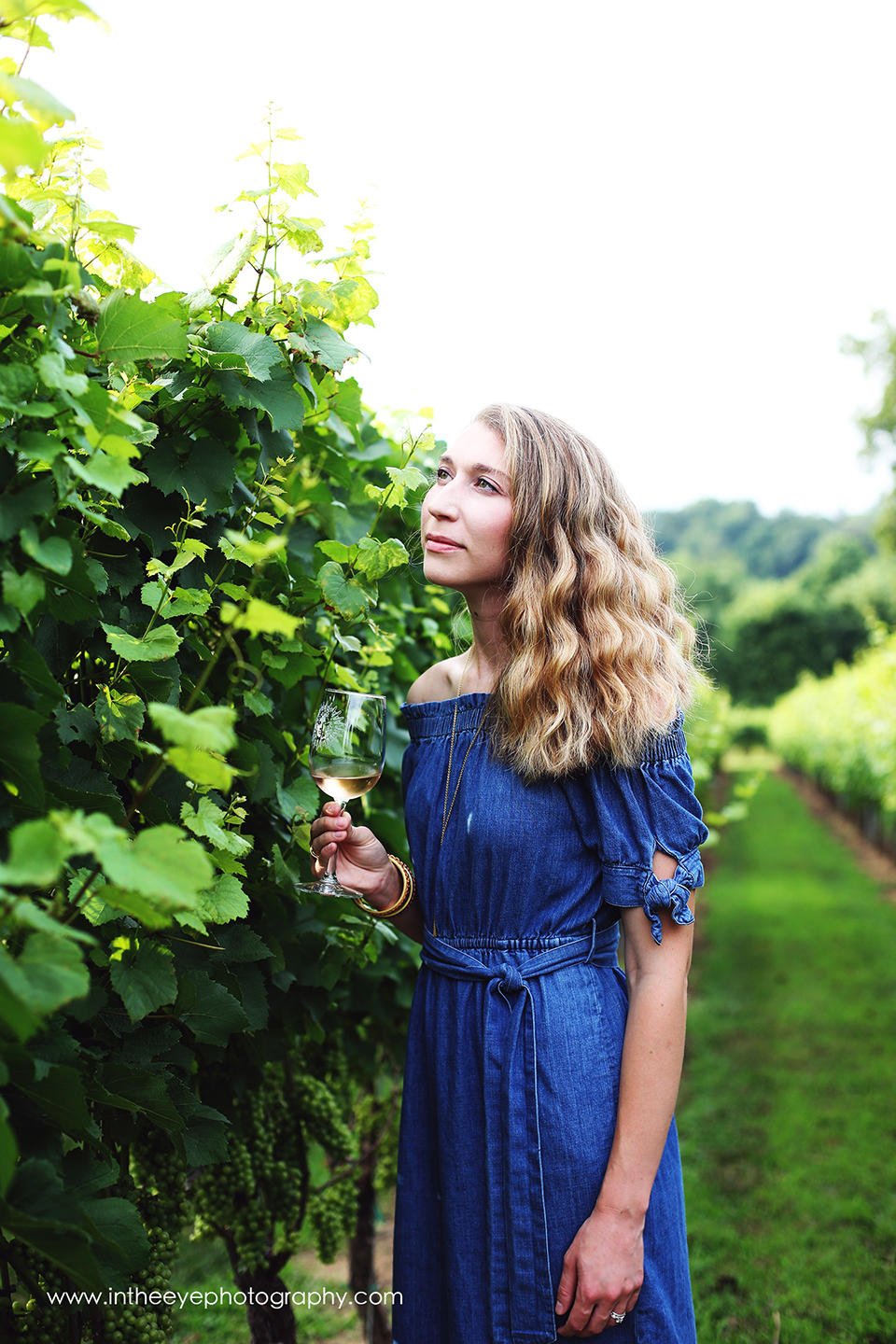
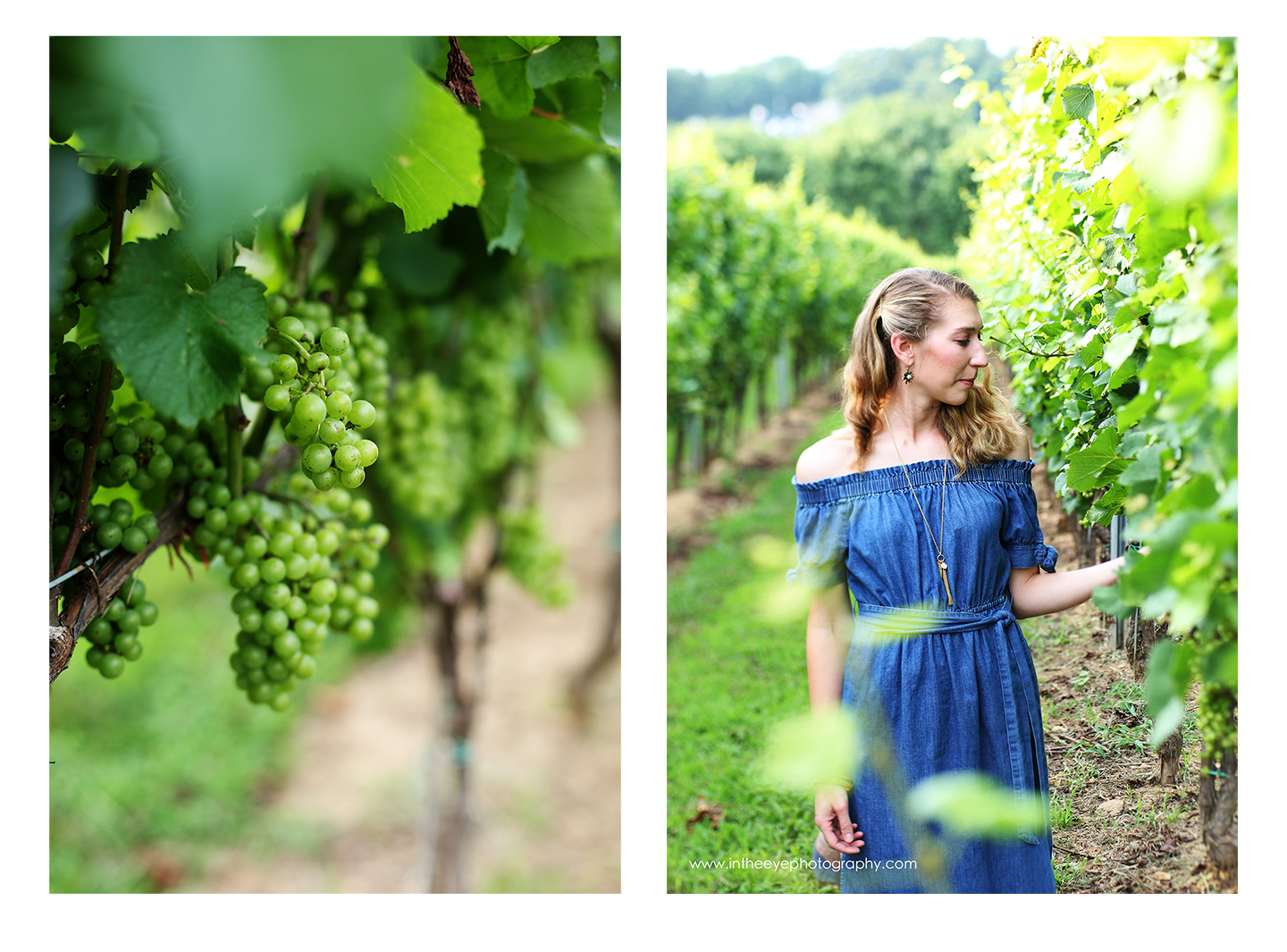
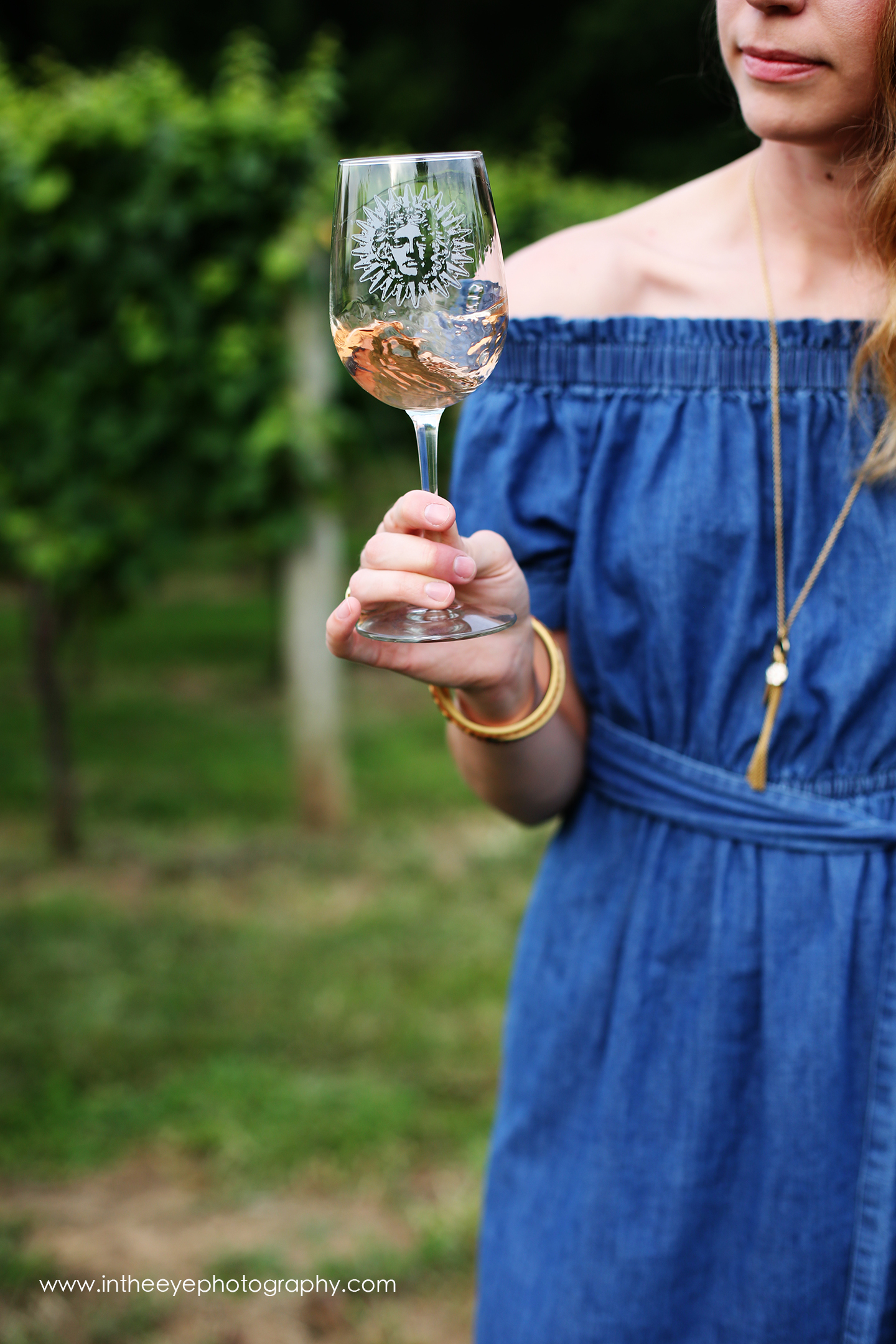
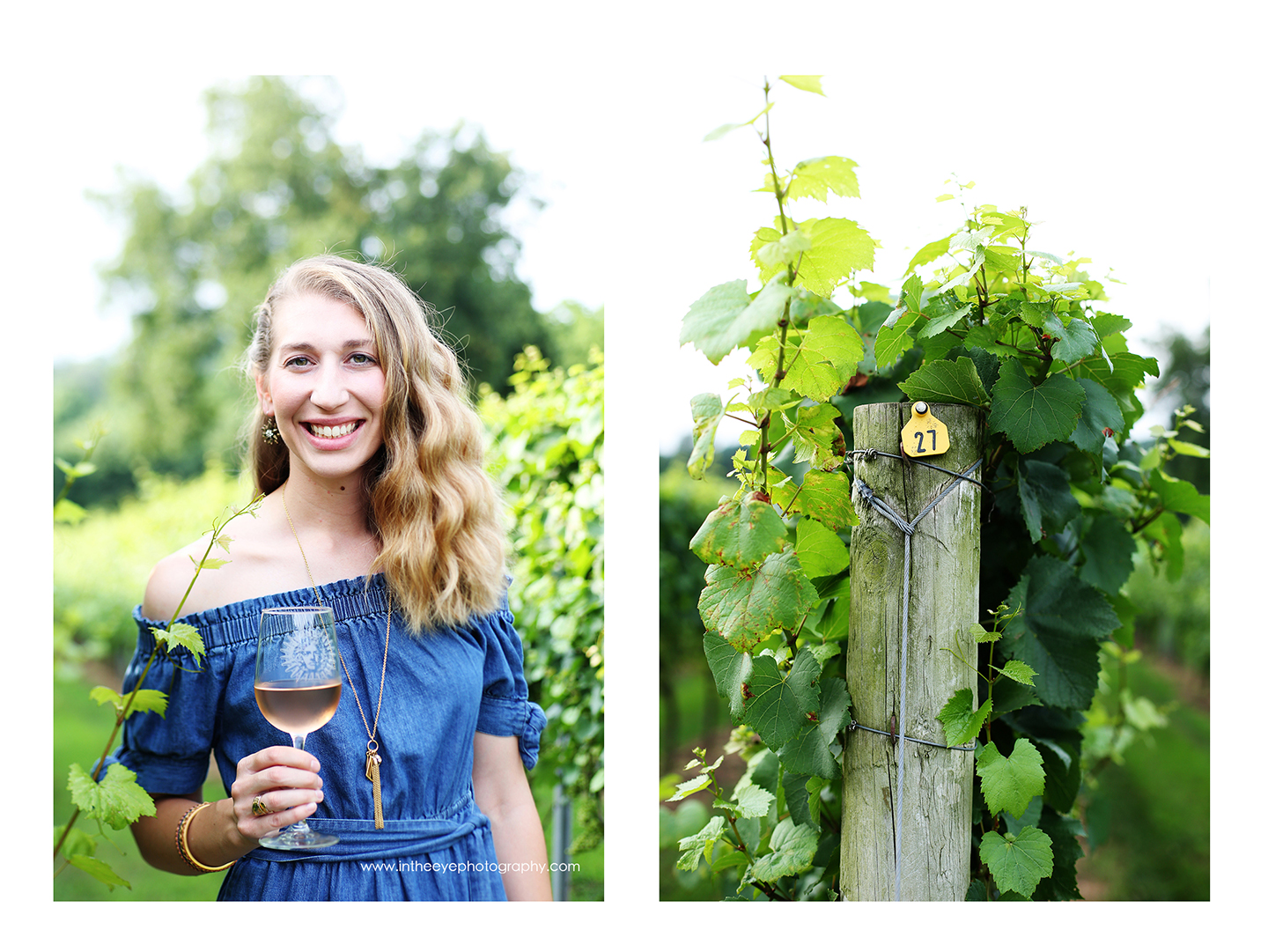
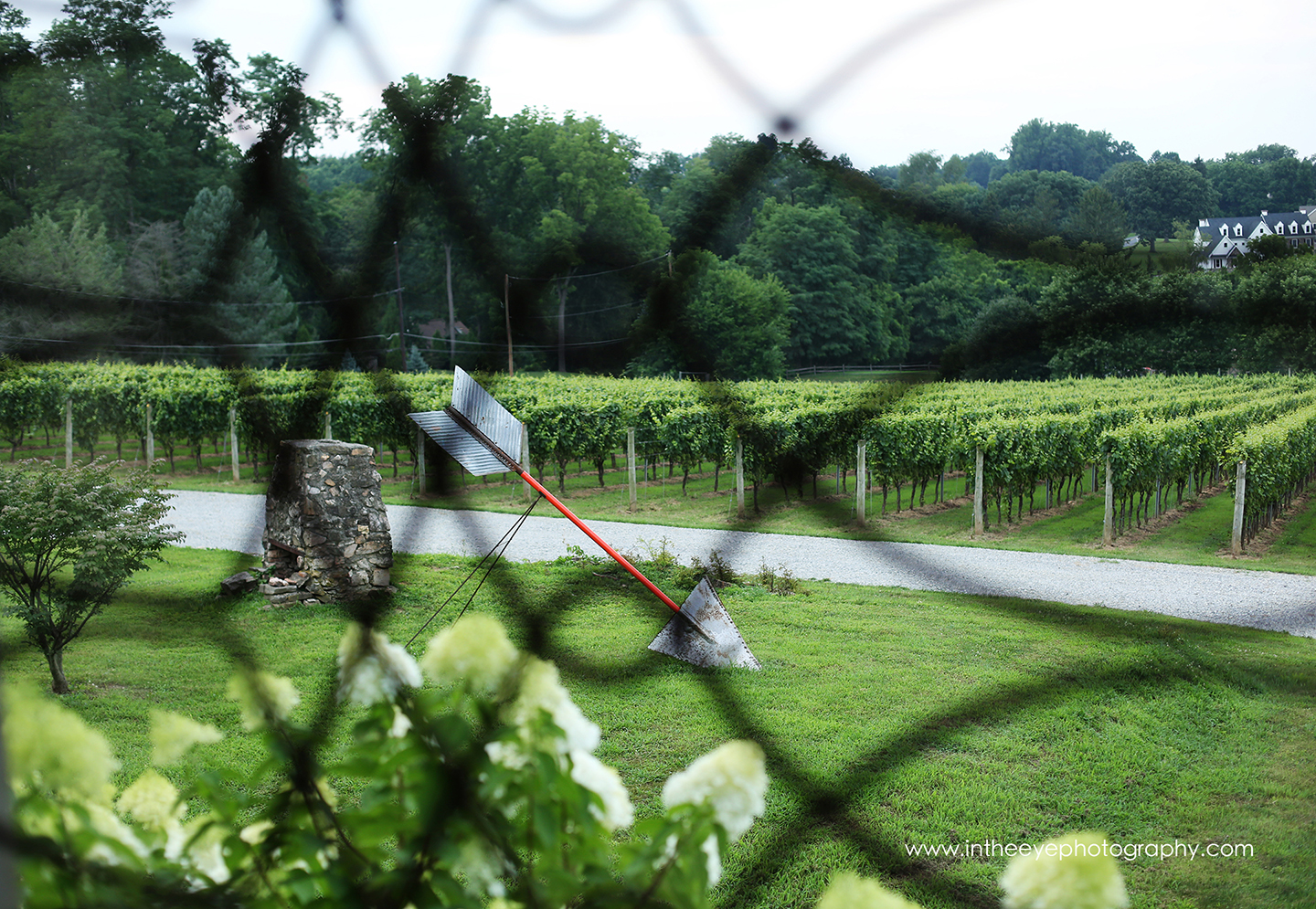
Meet Virginia, the winemaker at Galer estate Vineyard and Winery.
How did you get started in wine?
Almost 10 years ago, I started my first research project as an undergraduate student at Penn State University. As a freshman in college, I had no idea what I wanted to do with my life. I did know that I loved and appreciated food, so I started in Food Science in the College of Agriculture. My research project involved working with a model wine solution (which I knew nothing about–all under the guidance of my professor), and at this point, I started reading more about wine. There was so much science involved, but I also loved the culture, history, art, and complexity involved in the making of wine. I participated in my first harvest in the Lake Erie region in the fall of 2011, and I’ve been working with wine ever since!
What do you look for when you make wine?
Winemakers have to make hundreds of decisions everyday when working with wine. My goal–to make an outstanding wine–is to understand every variable in the grape growing and winemaking process. Any change or decision can affect the final product. I have to think about the quality of the fruit and the growing season, the factors involved during fermentation, how the wine is handled during filtering and movements, and what wines would be best blended together. These factors will contribute to my specific style of winemaking. I’m a little bit of a minimalist when it comes to winemaking so I try to intervene only when necessary. However, I’m still very much a New World winemaker, since I don’t mind making vital manipulations that will ultimately make a better product. Since I’m also a professional winemaker, I also have to be realistic and make a nice quality product that our guests at the winery will enjoy!
What has surprised you about being a winemaker?
Winemaking is a very male dominated industry. There are only a handful of women winemakers in Pennsylvania. Although this number has been steadily increasing since I entered the wine industry.
If you could drink wine anywhere, in any region or country, where would it be and why?
How did you get into music?
My father is an avid music lover, and as a young child we would listen to records of his favorite classical pieces. I think that is when I first got the music bug. I then began learning the piano, and my piano teacher during my high school years thought I might be interested in conducting. That was when I began to explore conducting opportunities, My first time on the podium was with an amateur orchestra, and I remember it being much harder than I thought it would be. How hard could it be to wave your arms, I thought! Nevertheless, the thrill of conducting an orchestra was undeniable, and I have been fortunate enough to have those opportunities ever since.
What do you find to be the most challenging part of being a conductor?The joy of conducting is bringing a great work of art to life. The great irony is that on the one hand you make no sound at all, but on the other hand you are responsible for all that happens on the stage. One of the great challenges is to establish a musical chemistry with the orchestra such that collectively you produce a performance of the highest emotional and communicative power. This begins with a great amount of private score study, an ability to rehearse effectively often with only a few rehearsals, and then giving the orchestra the impetus and inspiration the music needs in performance.What is one piece that you’ve always wanted to conduct? -And have you had that chance yet?There are so many pieces that are thrilling to conduct, some I have gotten the chance to and others that I haven’t. One of my career highlights was conducting Mahler’s 2nd Symphony. It is work that in Mahler’s words ‘encompasses the whole world’. It expresses the full range of emotions that we as human beings experience. The music also requires a very large orchestra, chorus and vocal soloists. The power and the tenderness in the work are compelling. It takes one on a emotional journey that stays with you long after the performance.What are you listening to in your car (ipod, etc) right now?When I am in the car on my own, I most often listen to sports radio. When my fiance is with me, we will sometimes listen to 80’s stations. I don’t usually listen to classical music unless it is pieces I am working on. Every now and then, however, I will go on a stretch of listening to classical pieces that I do not know to broaden my knowledge of the repertoire.What do you think about Kennett Square?From the minute I came to Kennett Square for my audition, I was taken by the beauty and quaintness of the region. That was almost 4 years ago. My family and I enjoy walking on State St, browsing the shops and enjoying a coffee or a bite to eat at the Market. In fact, we recently moved into the borough and are thrilled. It is an honor to be the Music Director of the Kennett Symphony and to work with these very talented professional musicians. If you haven’t enjoyed a concert of the Kennett Symphony, I invite you to come and enjoy one of our many concerts.
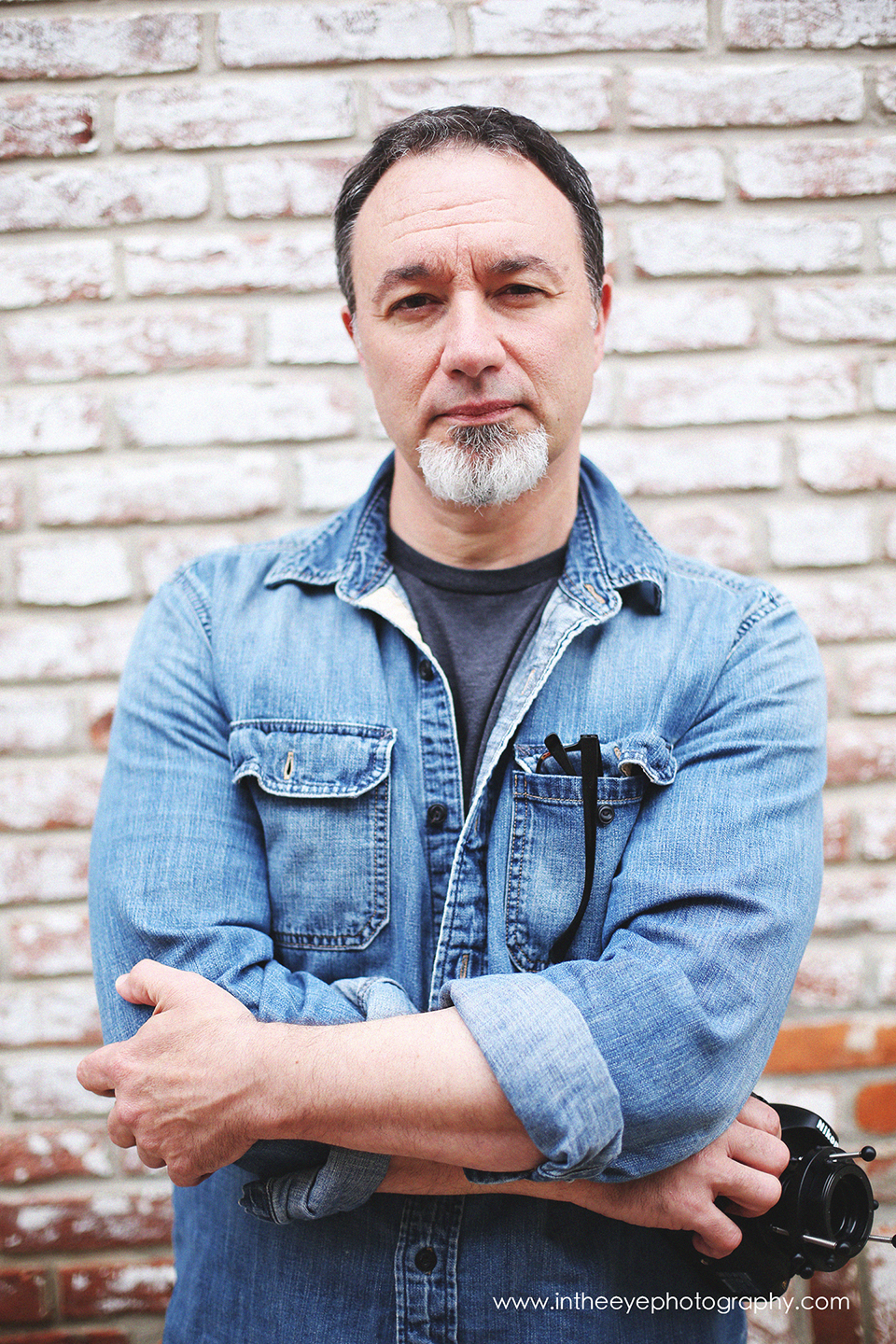
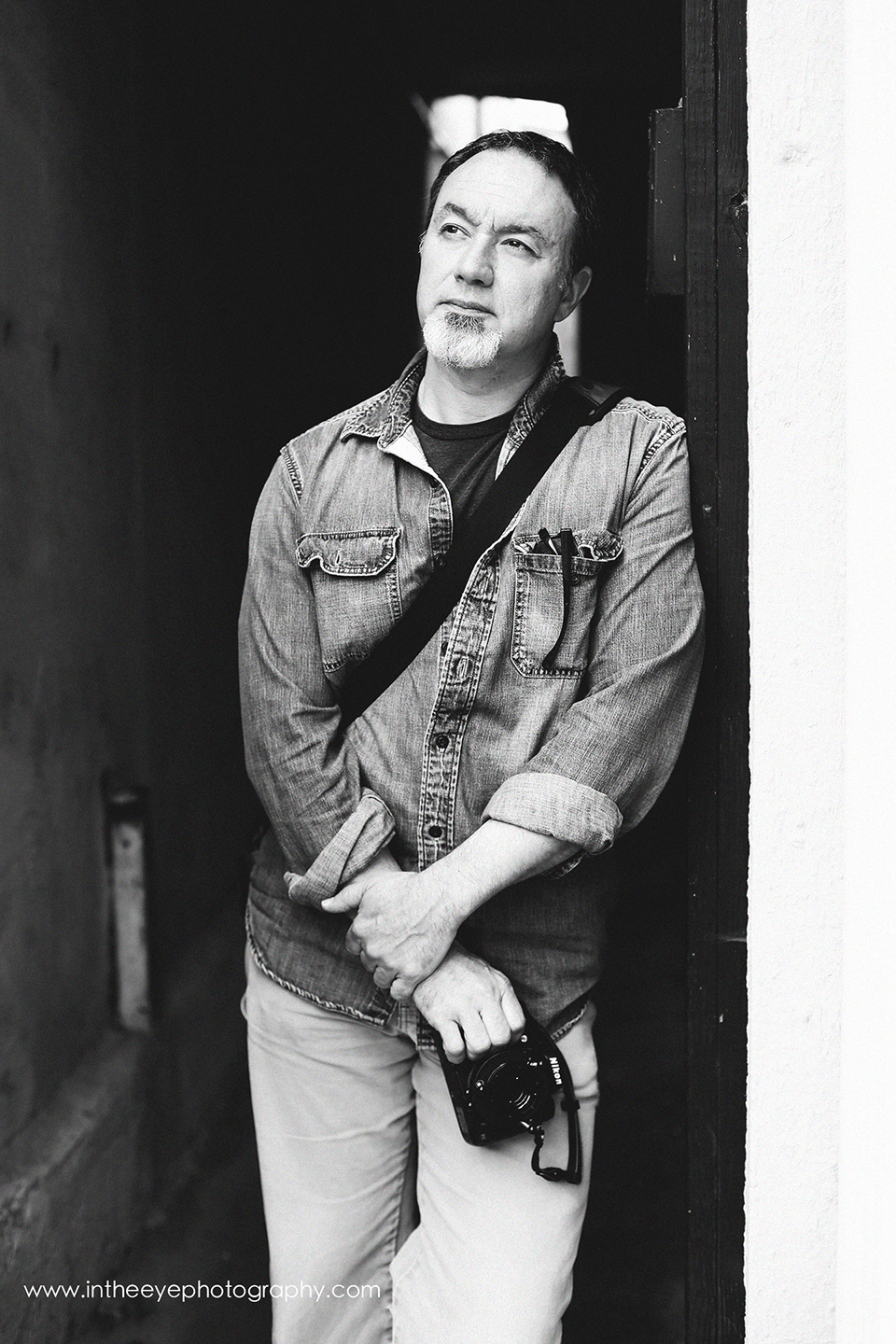
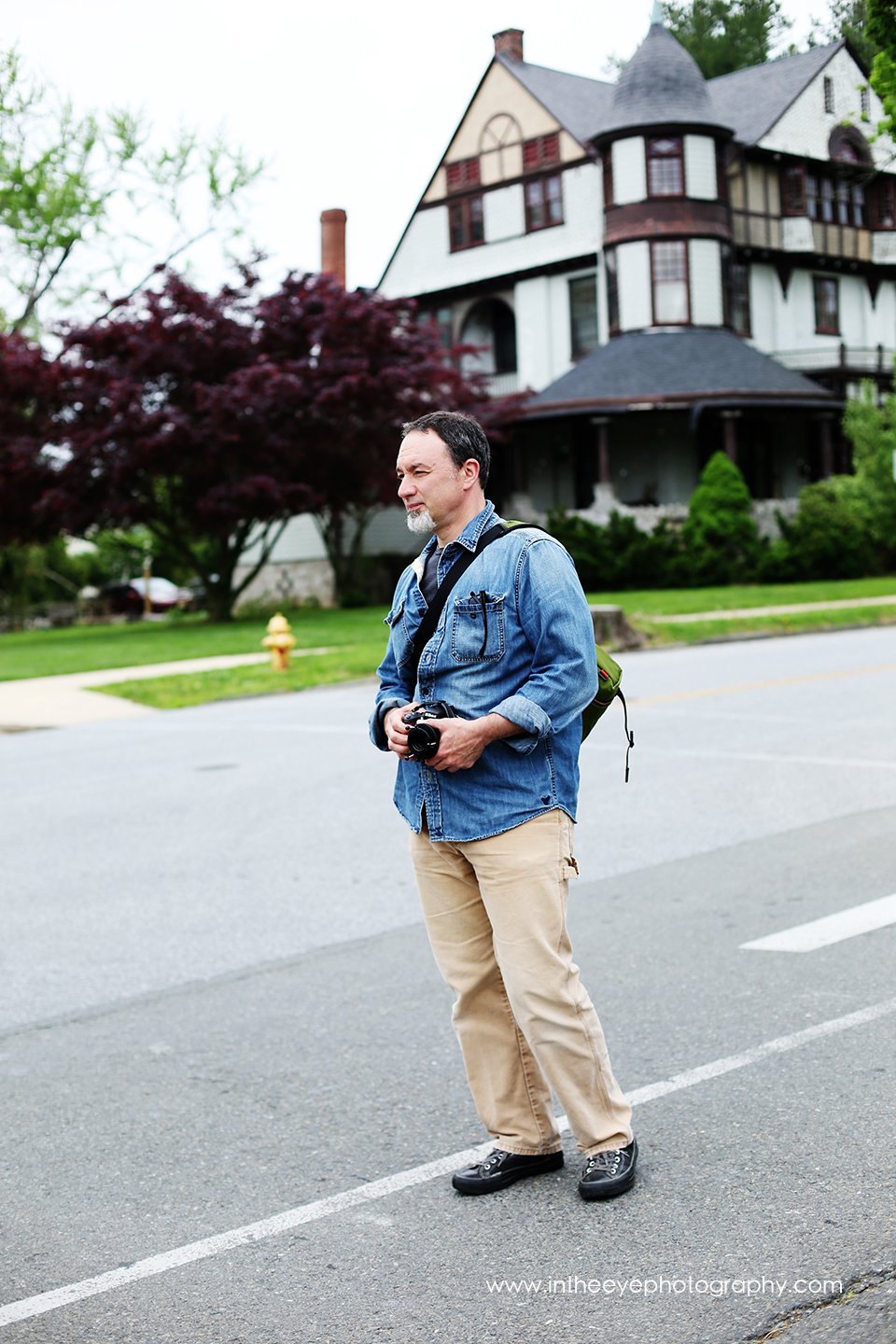
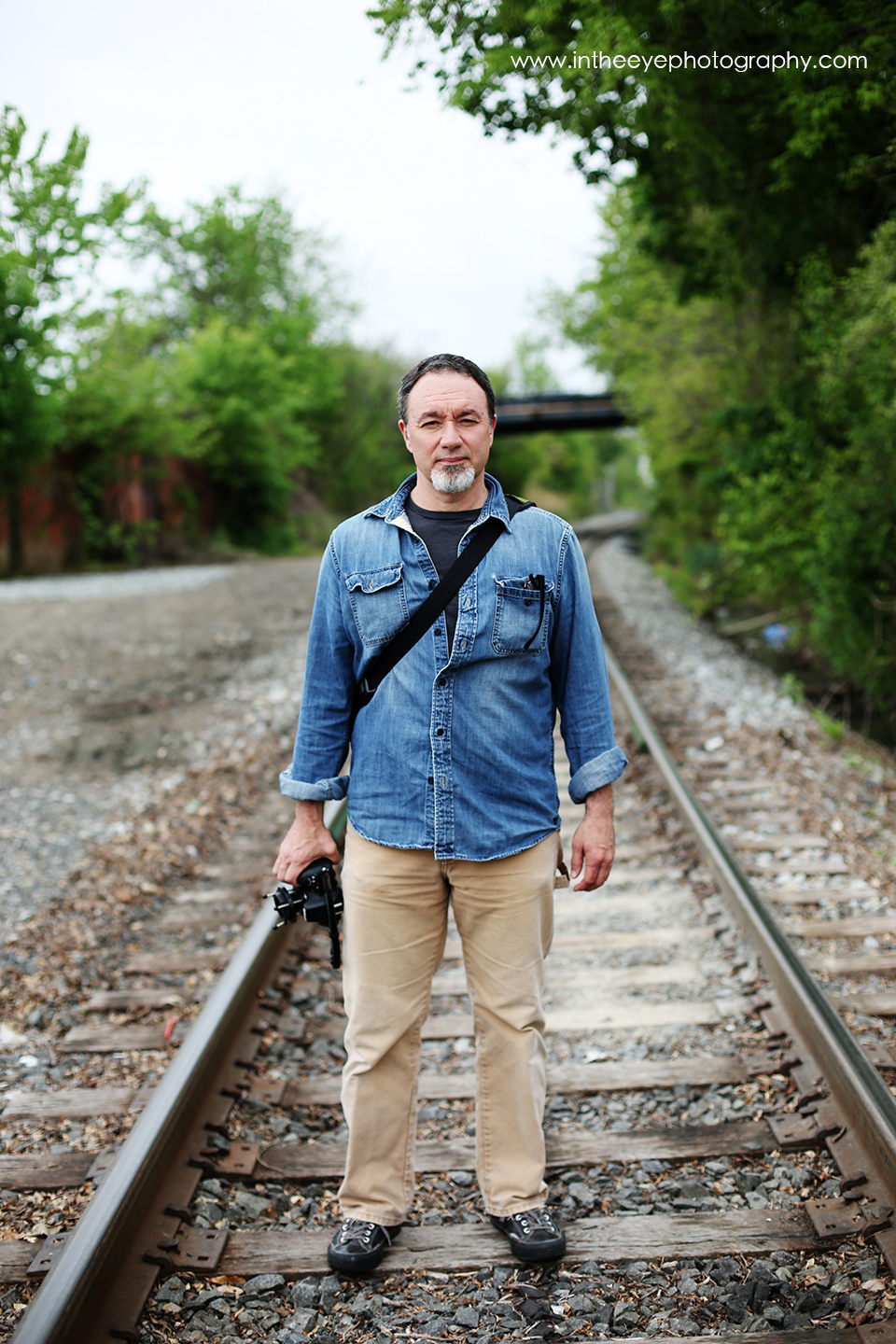
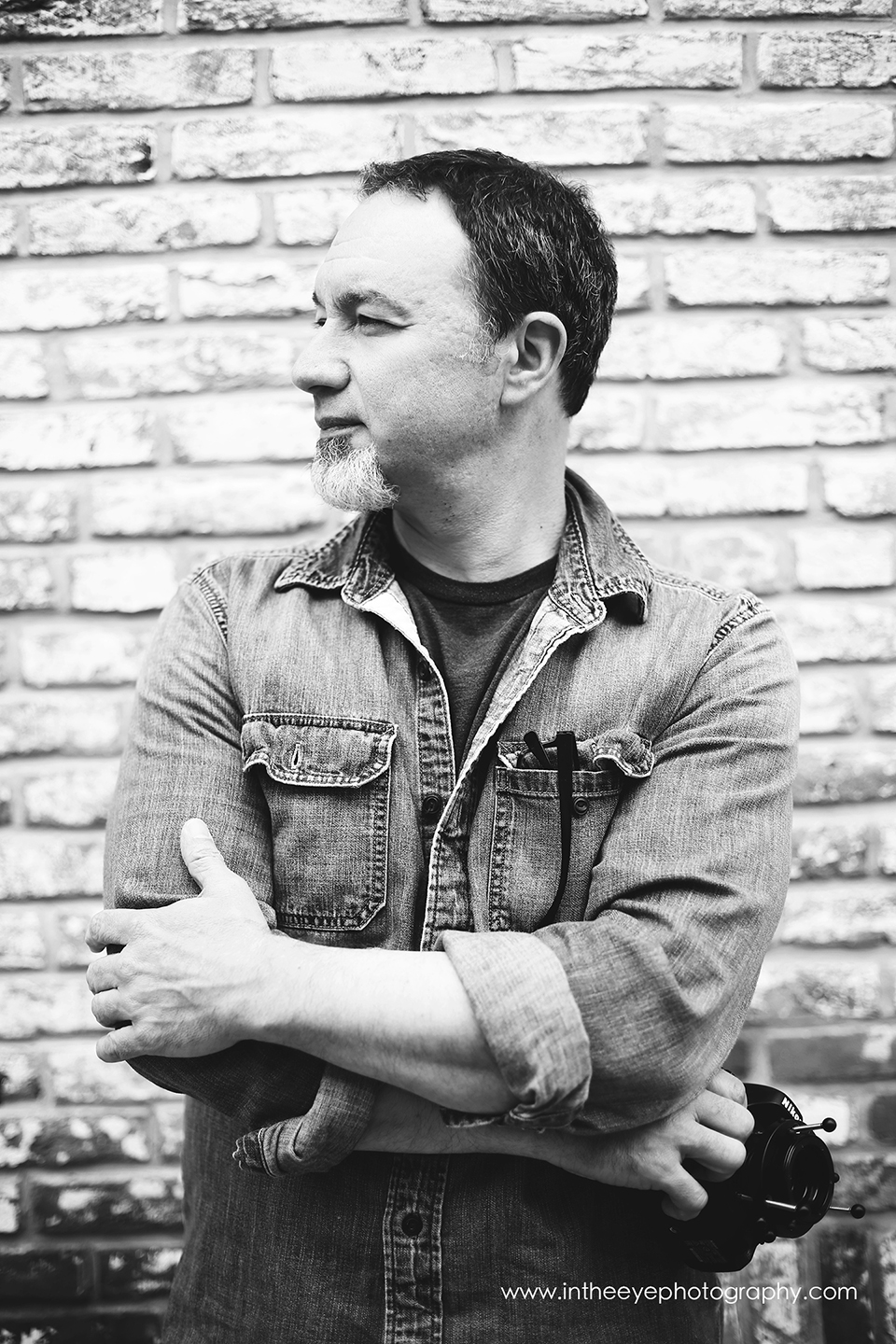
Meet Nat– a fine art photographer in Kennett Square.
1.Tell us a little bit about you?
I am originally from Brooklyn N.Y. We moved a lot when I was a kid which always made me feel like an outsider. I think that helped me to be a keen and objective observer of my surroundings which has served me well when I hold a camera up to my eye. After spending many years on the F Train to Manhattan where I worked as a commercial photographer, my wife and I decided it was time to make a change. We set our sights on the Brandywine Valley and ultimately ended up here in Kennett Square, where we raise our two daughters. My day job is in the Exhibitions department at Winterthur Museum in nearby Wilmington. When I’m not at work I spend just about every minute making or thinking about making images. It’s an obsession really. I can’t not do it.
2.How did you get into photography?
I was very visual when I was a child. This might sound strange but I would arrange images of my surroundings in my head in ways that would aesthetically please me. During my middle-school years I received as a gift my first 35mm camera, a Nikon FM. It gave me the opportunity to get those images out of my head and into an actual photograph . When I got to high school I really immersed myself in the craft of photography. I spent every minute I could in the darkroom. The obsession became so great that I would accidentally cut classes because I’d lose track of time trying to get that perfect print. After graduating high school I attended a very intensive photography school and quickly landed an assistant’s job in the studio of a small advertising agency in NYC. I started out like most assistants do—sweeping the studio, developing film, painting sets, and changing the cat litter. I soon worked my way up to staff photographer, doing mostly still life work for catalogs and ads for big name clients in the NY giftware and toy industry. As a way to escape the monotony of photographing merchandise I started to shoot people. I fell in love with portraiture and it’s what I love to do most now.
3. What’s your favorite subject?
My daughters, without question. They are the most expressive, generous, and patient people. If I ran out of anything else to photograph, I’d be very happy to photograph them everyday. I’m not sure how they’d feel about that though.
4. What do you think about film vs digital?
I’m kind of two minds about this. Film will always be special to me. Artistically speaking there’s a certain soulful quality and warmth about film as well as the tactile aspect of the materials that’s very exciting to me. I like how it forces you to slow down—to be more thoughtful, more deliberate. I attended an alternative process workshop last year that reinvigorated my interest in making old-school, hand-crafted images. However, compared to digital sensors, film can be limiting in terms of speed, color temperature, workflow, and that sort of thing. Not to mention the cost factor of film and development. Despite all that there seems to be a resurgence of film in the marketplace at the moment. I’m not sure if it’s nostalgia or a real honest-to-goodness backlash to our overly digitized world. Time will tell but what I do feel very strongly about is whichever medium best expresses your artistic vision is the right medium to use.
5.Where do you get your inspiration?
That’s the kind of question I could answer for days! I like finding the extraordinary in what would otherwise be considered very ordinary subject matter. I look for the beauty in the imperfection of things. Also, since I was very young, I’ve been quite fascinated and maybe even obsessed with the passage of time. I like fleeting moments. The moments between moments. I’m not sure if it necessarily comes through in all my work, but it is always on my mind.
6.A photographer who inspires you
When it comes to the great iconic figures of photography, Irving Penn has probably had the greatest influence on me, especially when I was a younger photographer. He blurred the lines between art and craft. He treated street trash with the same care and attention to detail as he would the finest examples of haute couture. What I love most about Penn is how he focused in equal measure on the dignity and humanity of his portrait subjects, whether they were artists, celebrities, common workers, or indigenous peoples.
Having said that though, I’d regret not adding that in the past few years I’ve become friends with several like-minded photographers, some who I’ve only met through social media, who are generous, supportive, and constructive. Photographers who create and share amazing, meaningful, and very personal work. Work presented without ego. Work that inspires conversation and exploration. That kind of inspiration is hard to beat.
To learn more about Nat’s work check his instagram: https://www.instagram.com/natalecaccamo/
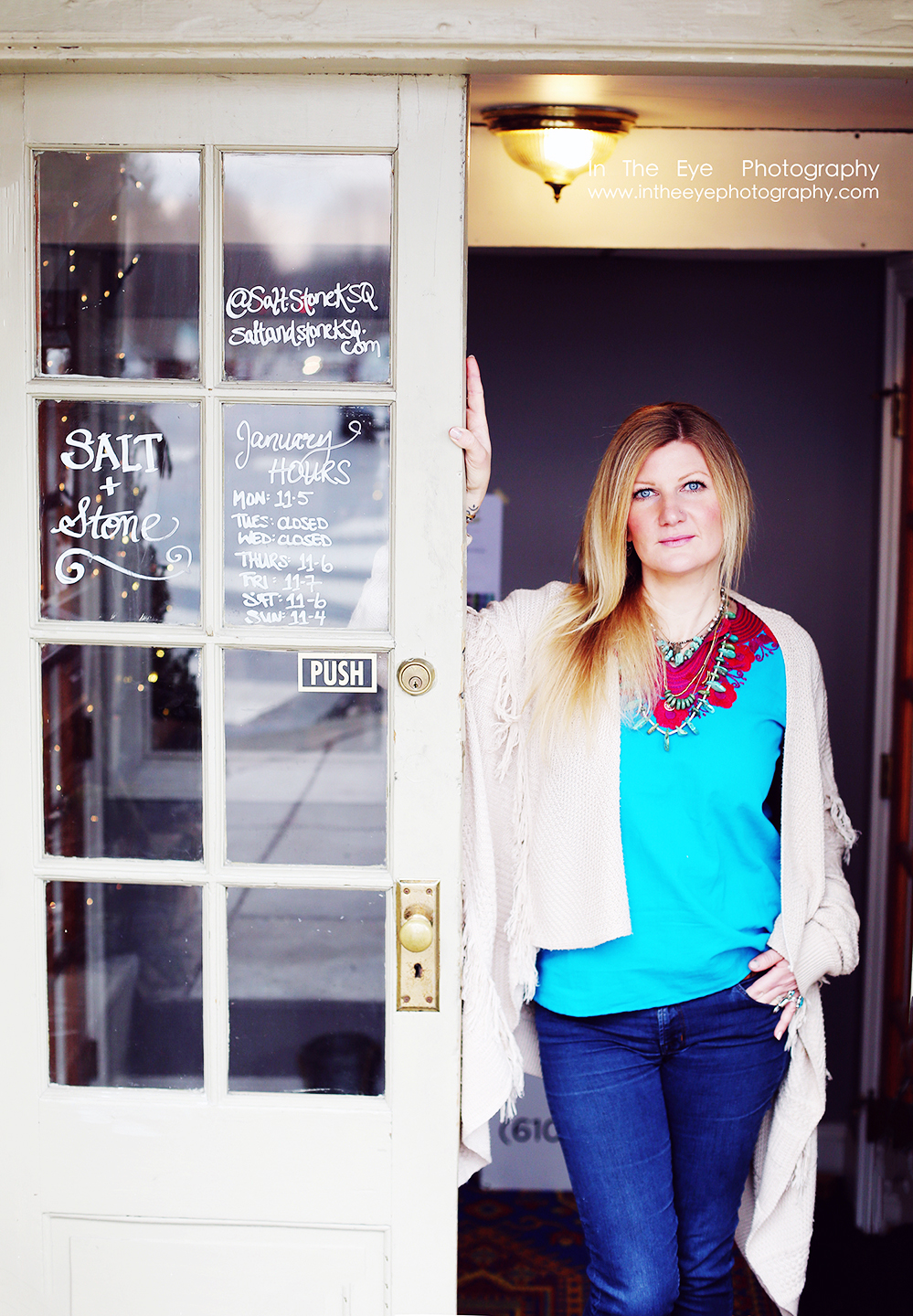
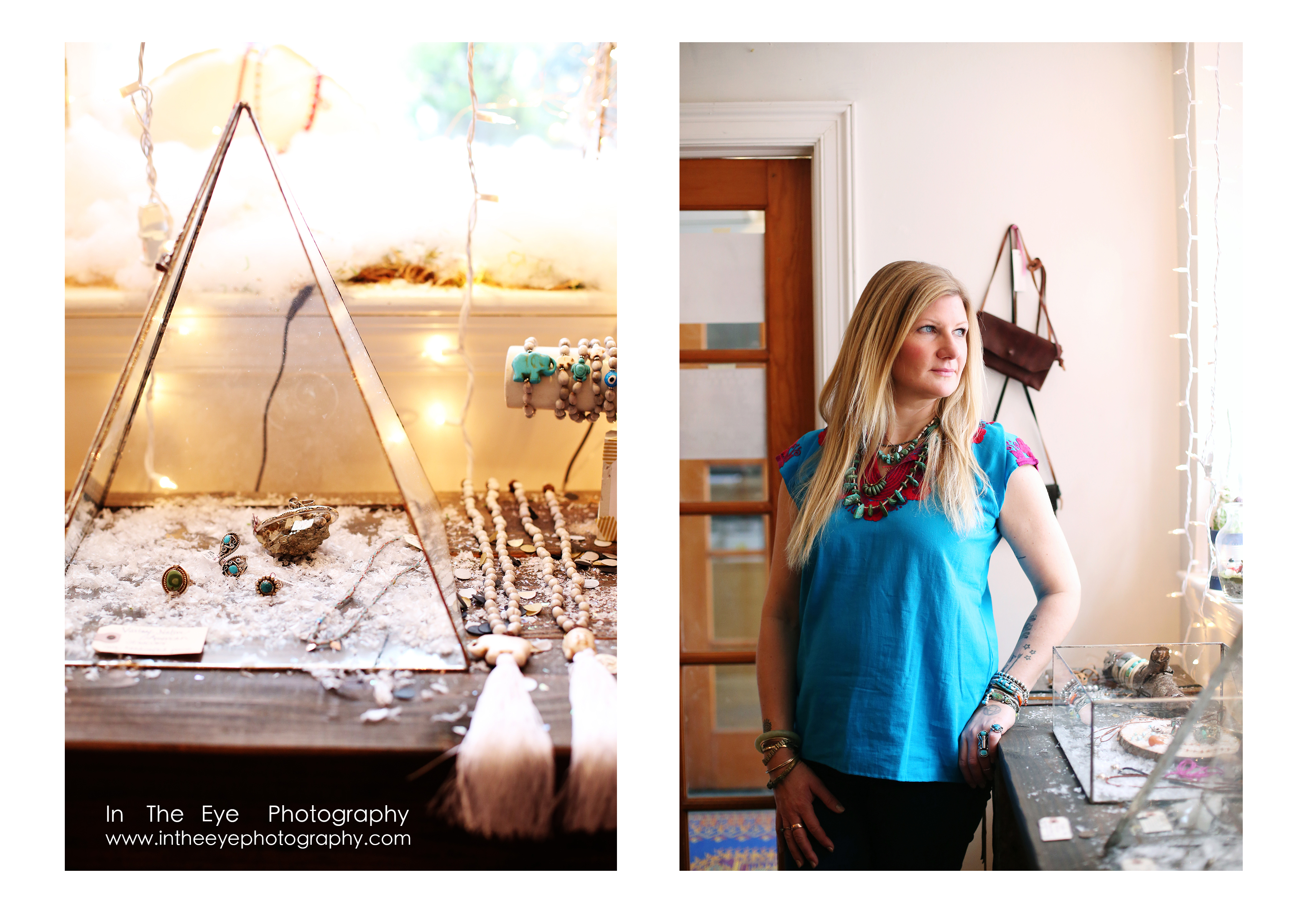
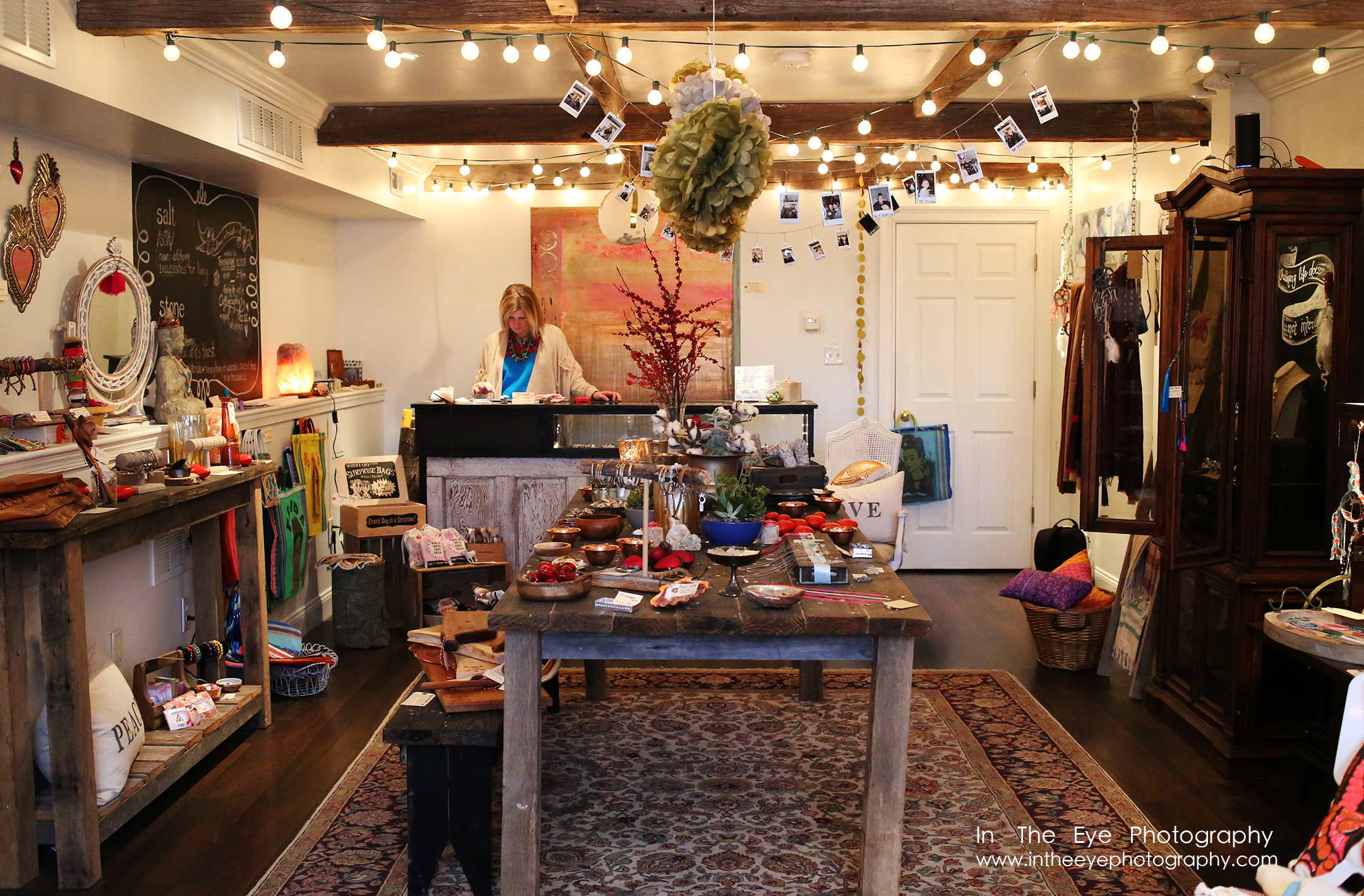

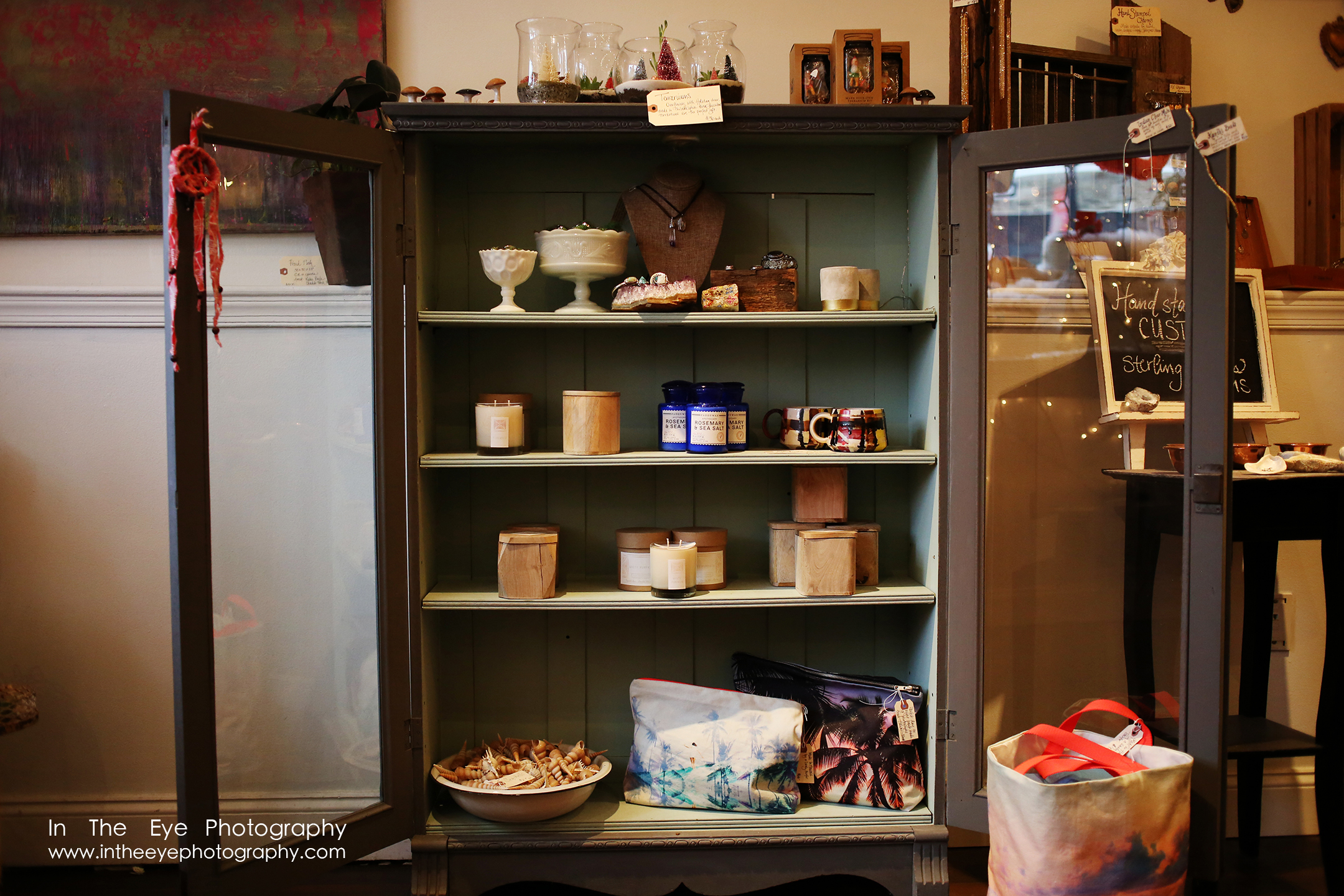
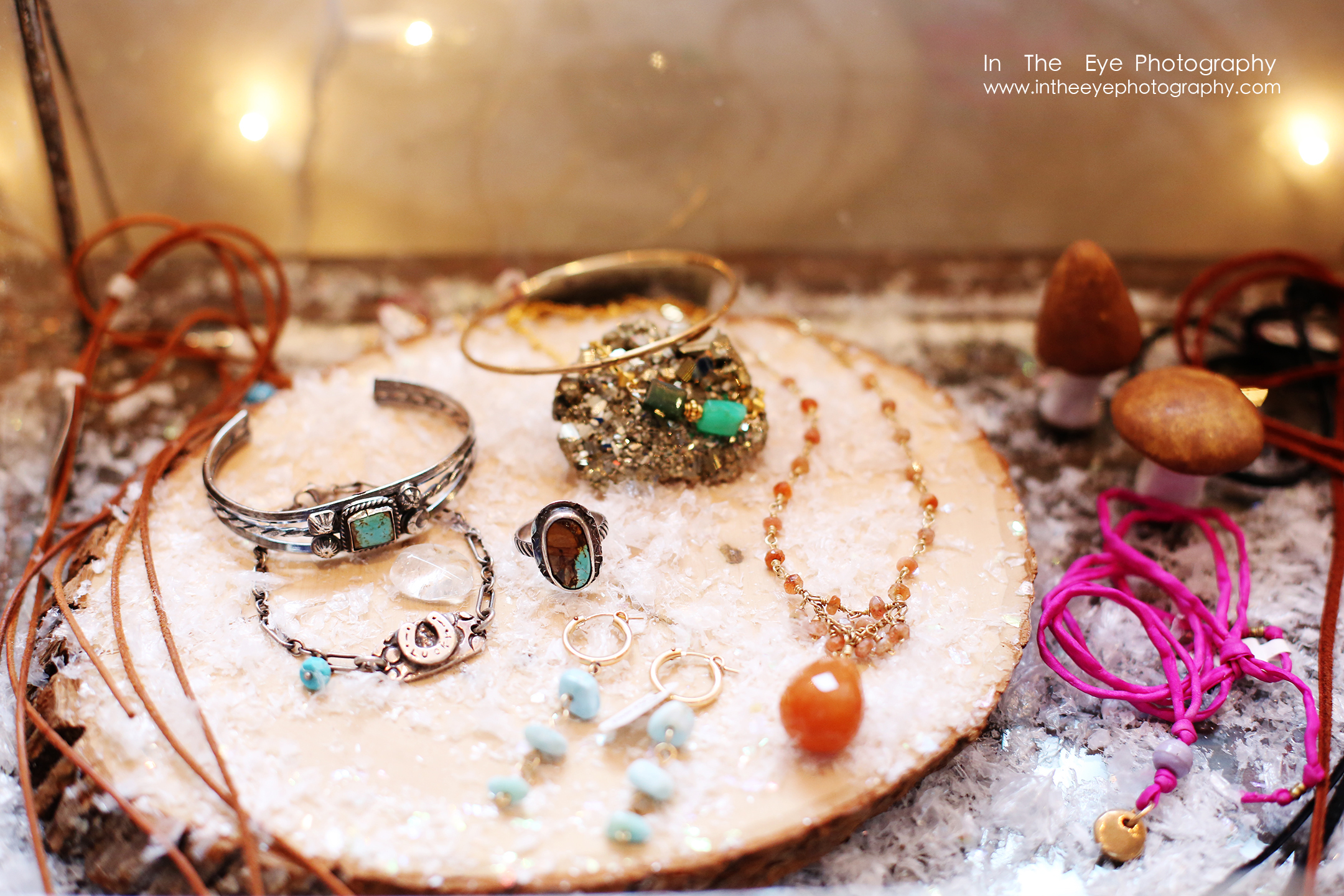
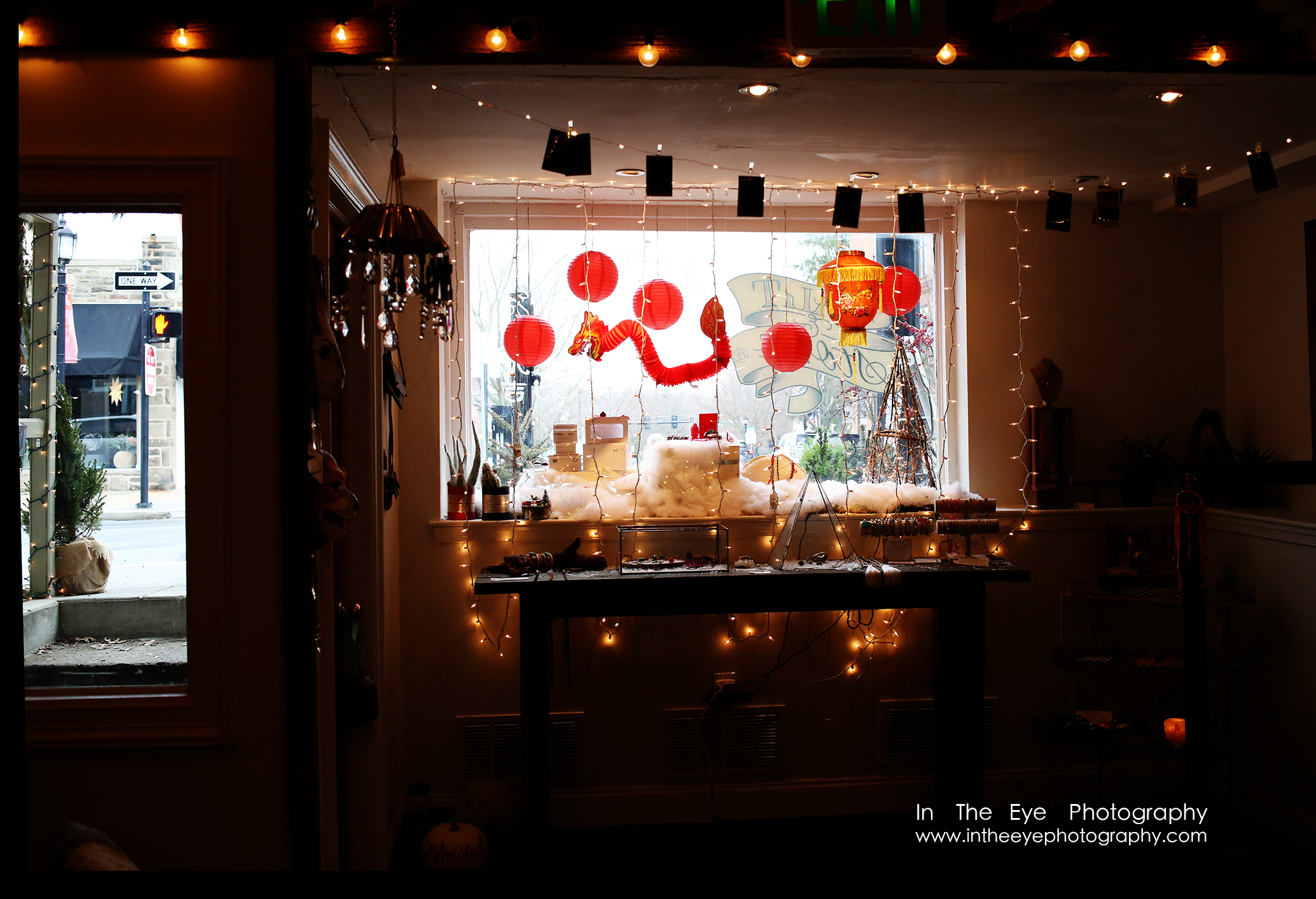
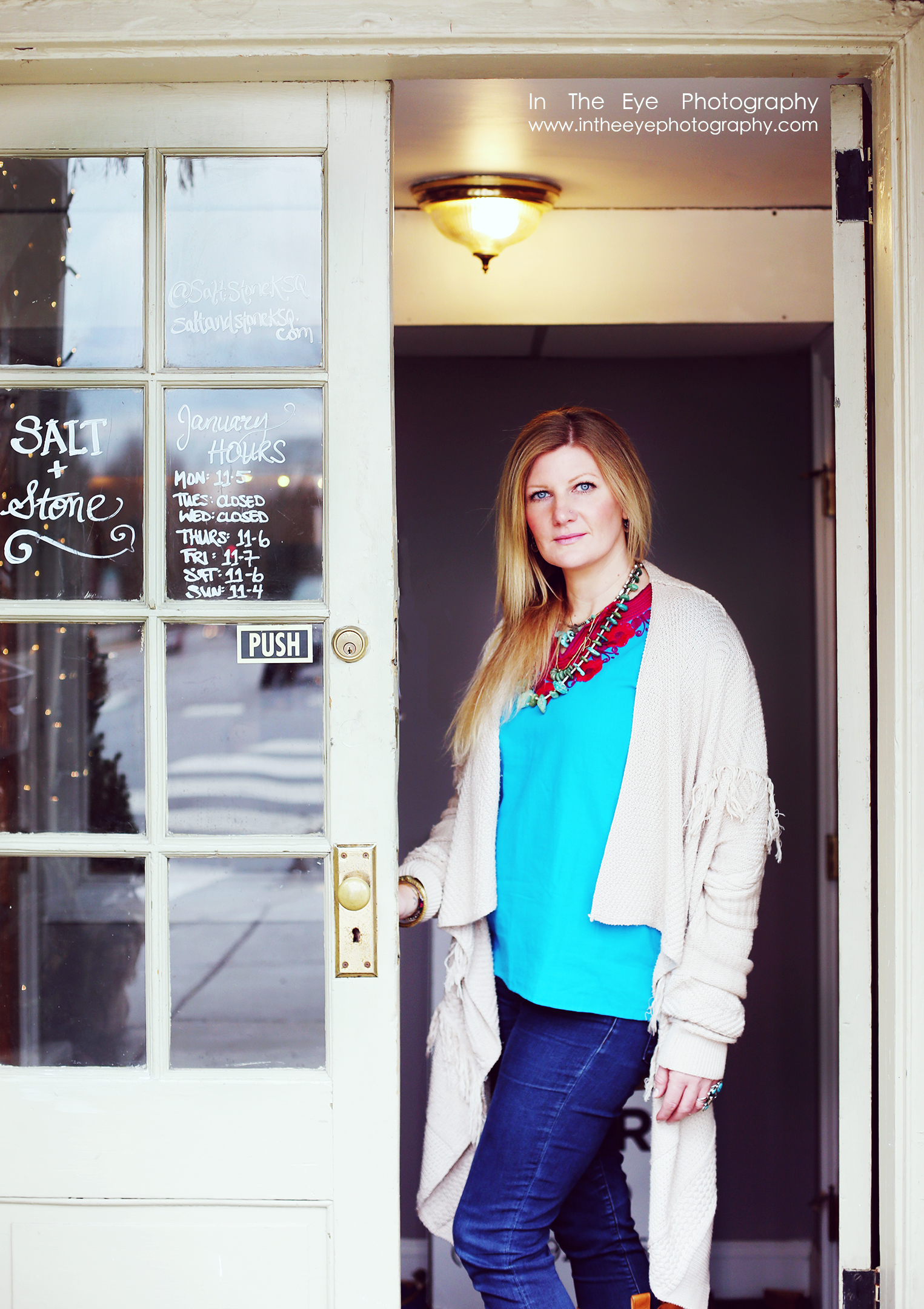
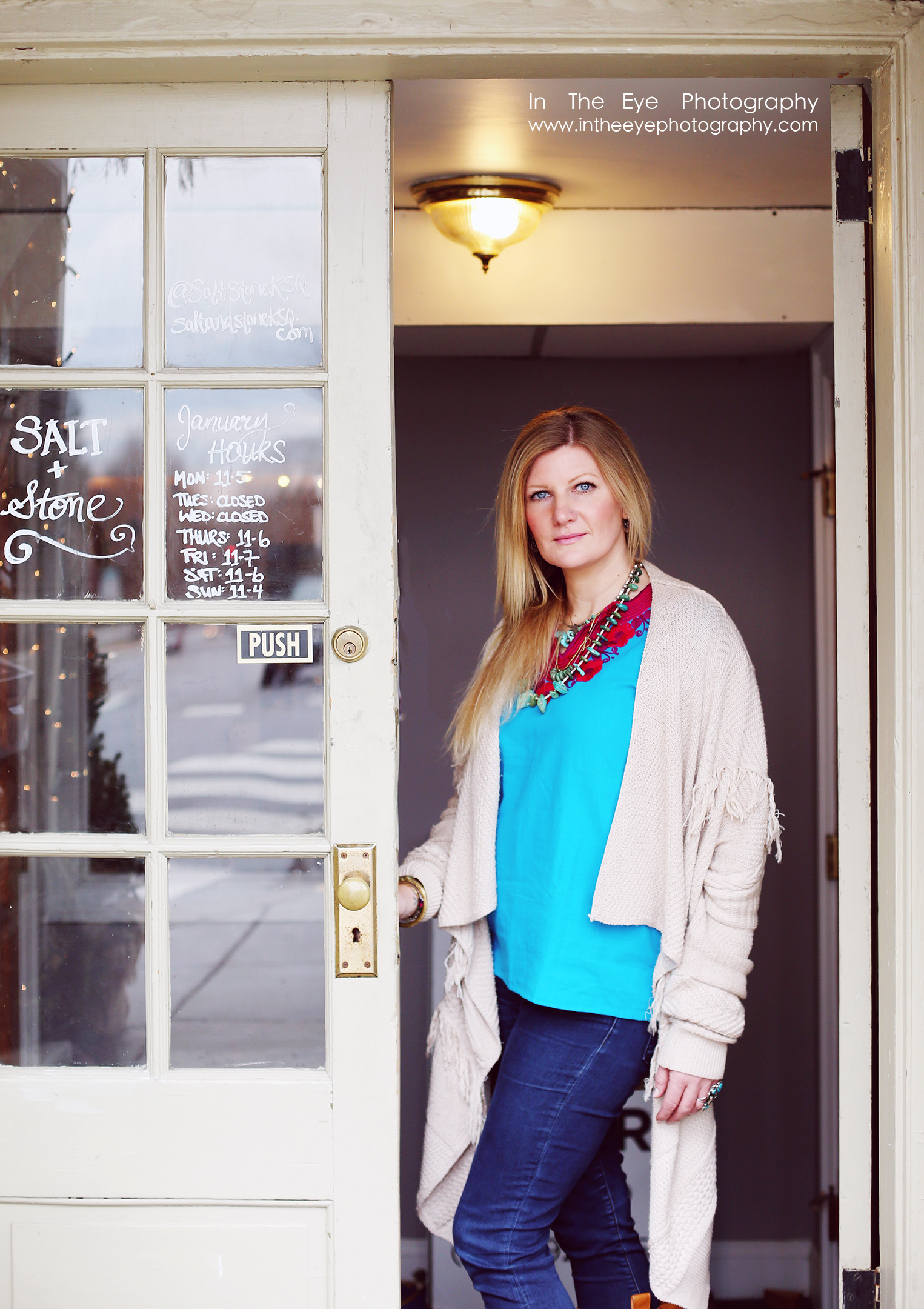
Meet Amanda the owner of Salt+ Stone KSQ
Salt: necessities for living.
Stone: perfection; taking raw materials & turning them into wearable, coveted items to be treasured.
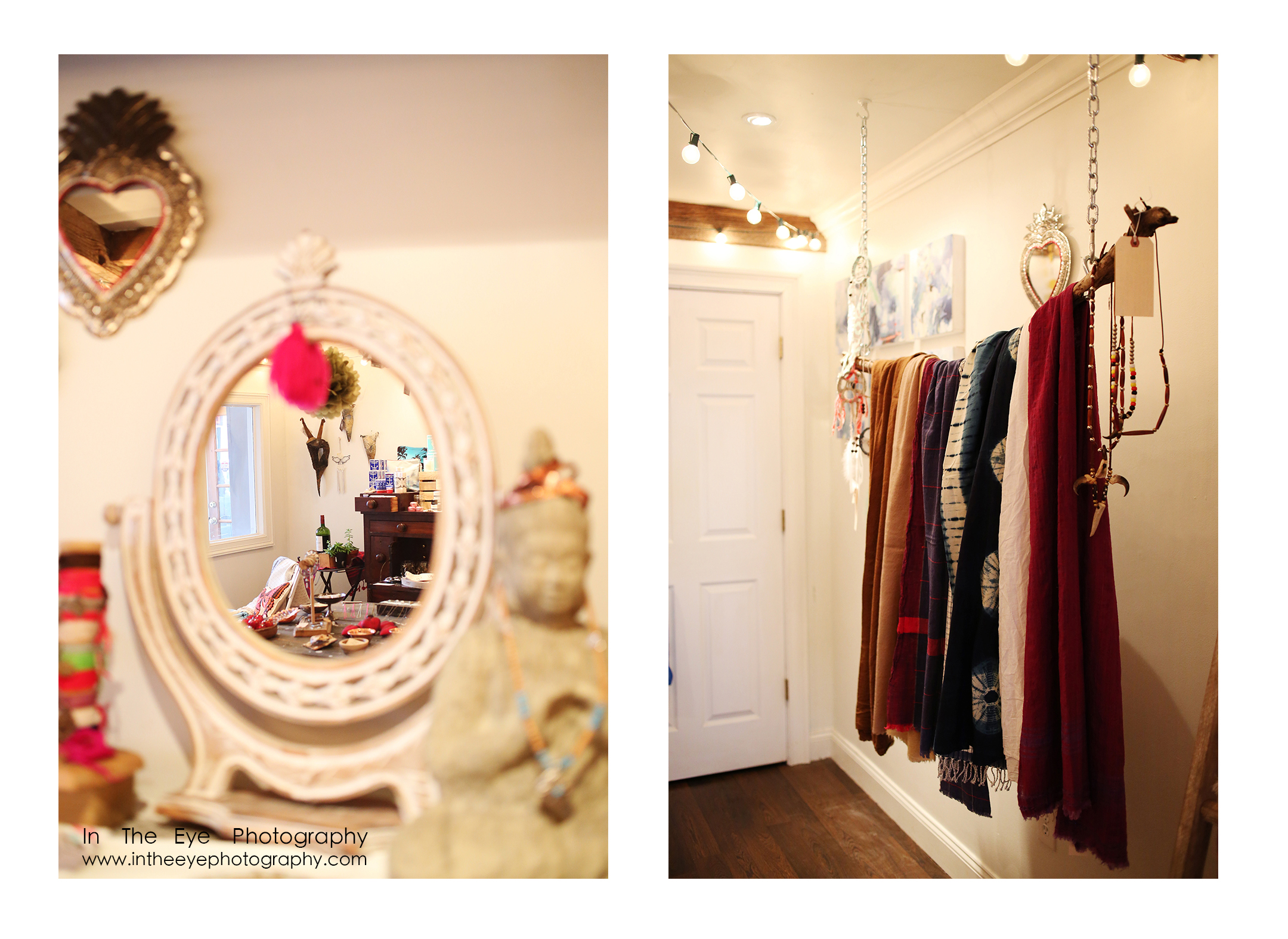
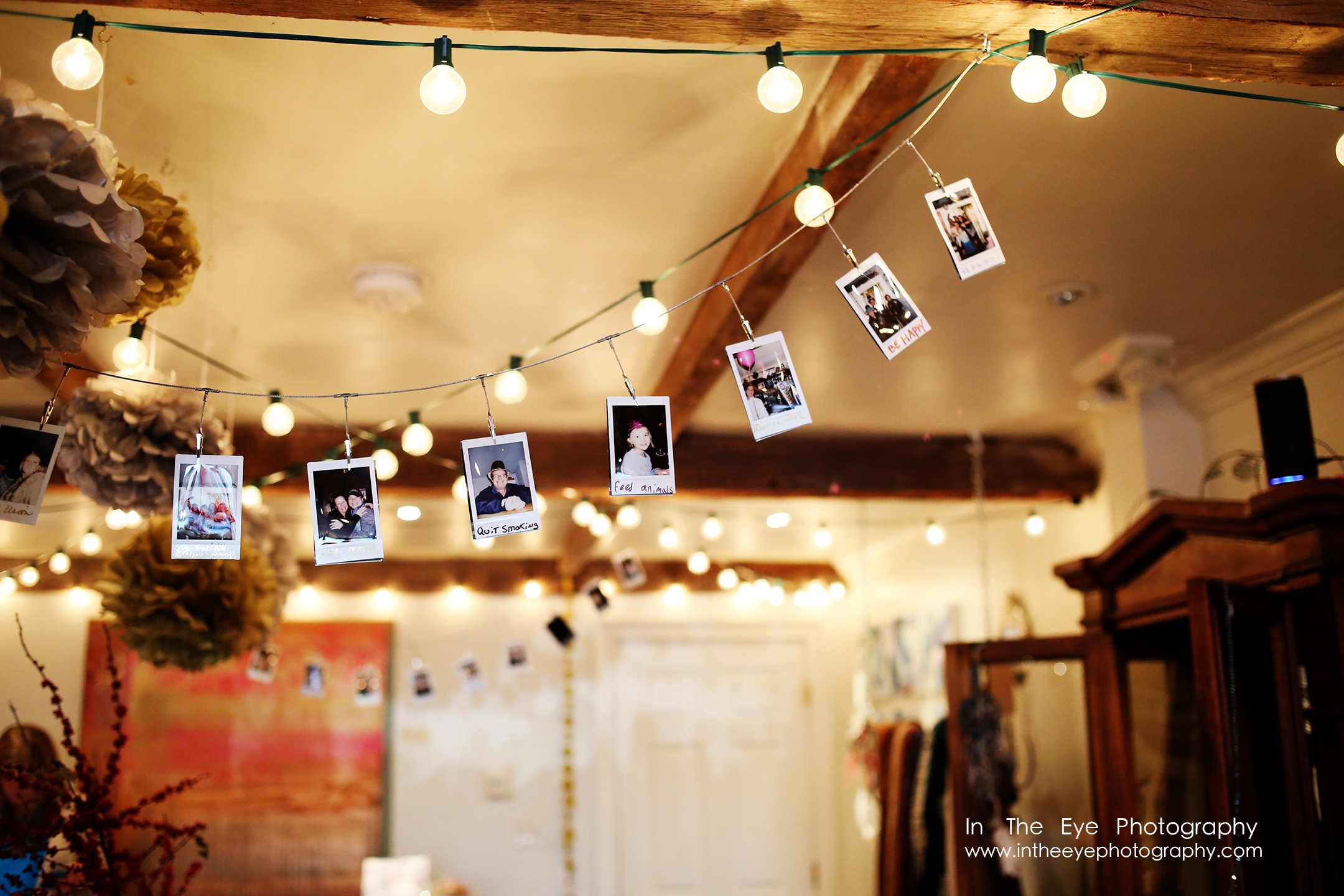
Have you been to her bohemian style boutique yet? I have to say I love everything there.
Ellen is an artist who works with designers and their clients to create custom art.
What is your earliest memory of creating art?
What is your creative process like?
What’s been your greatest artistic success?
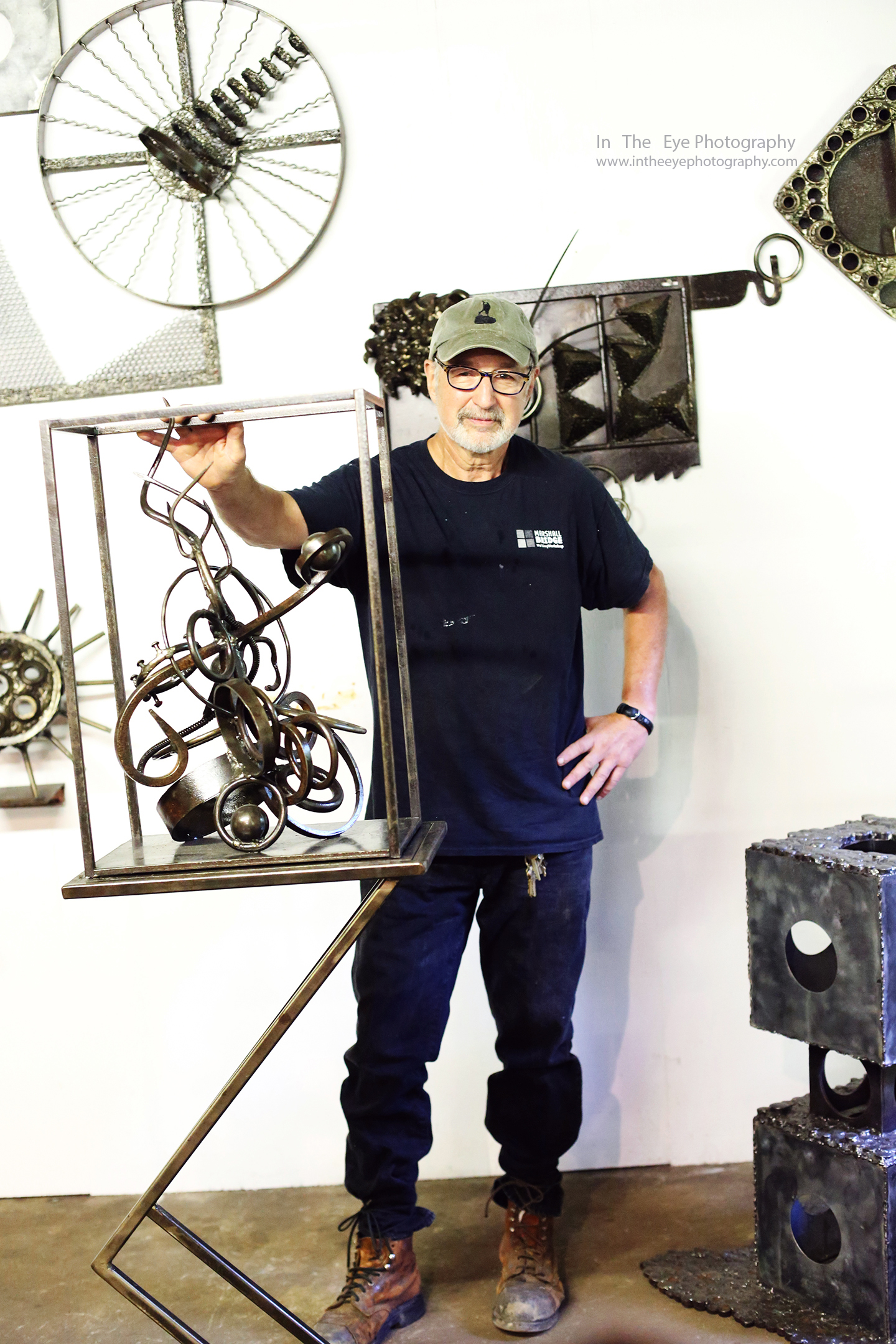
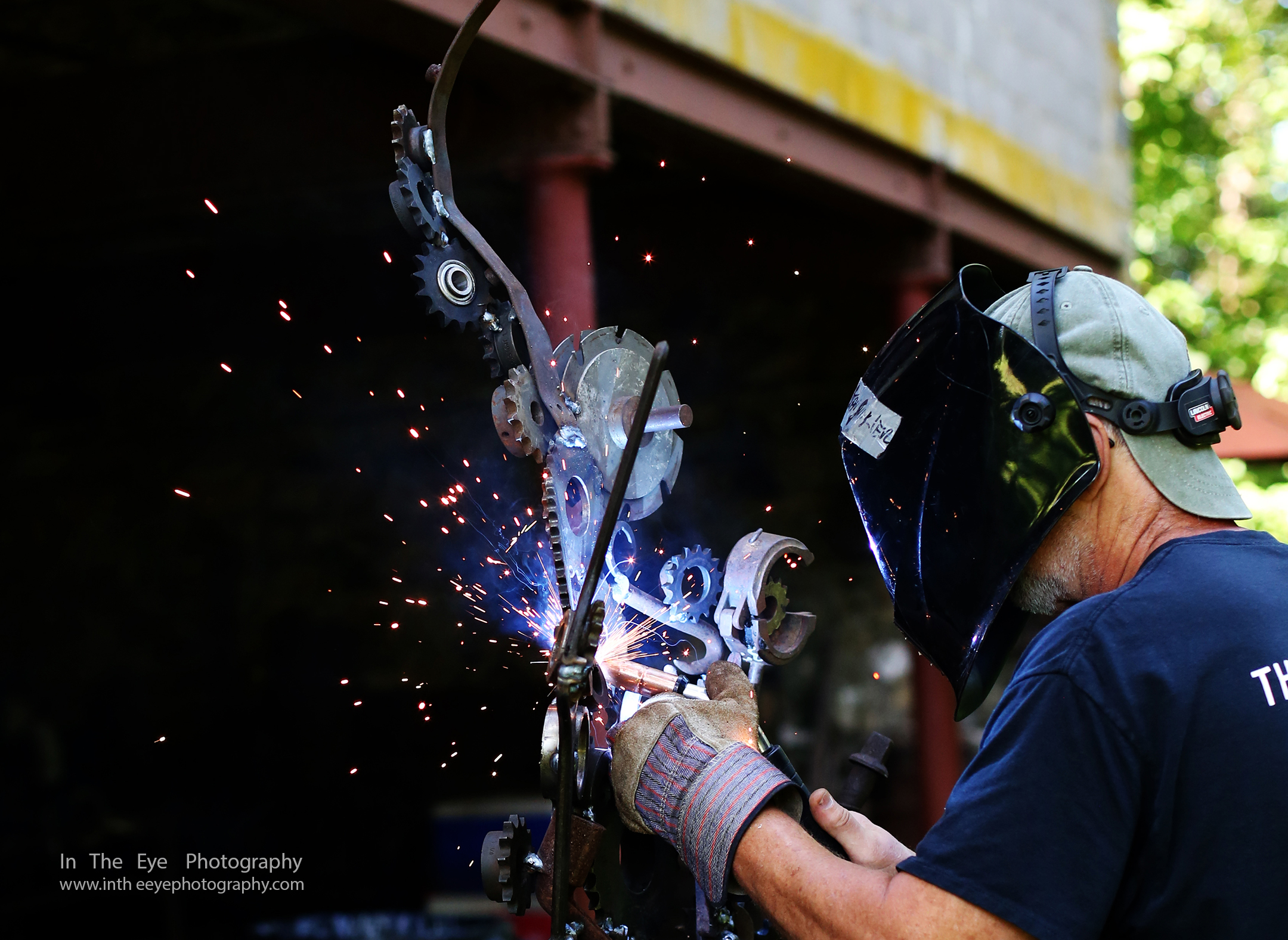
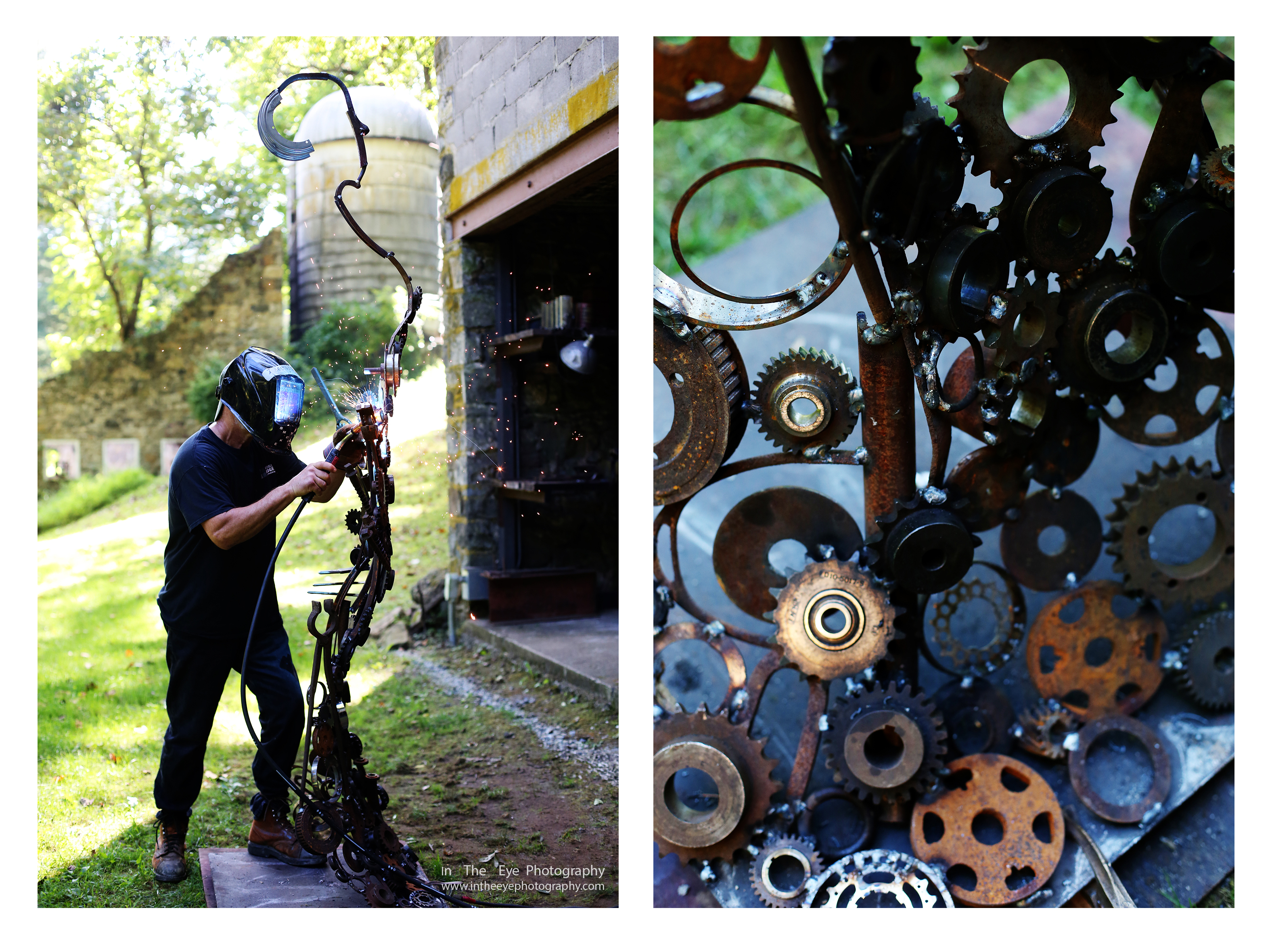
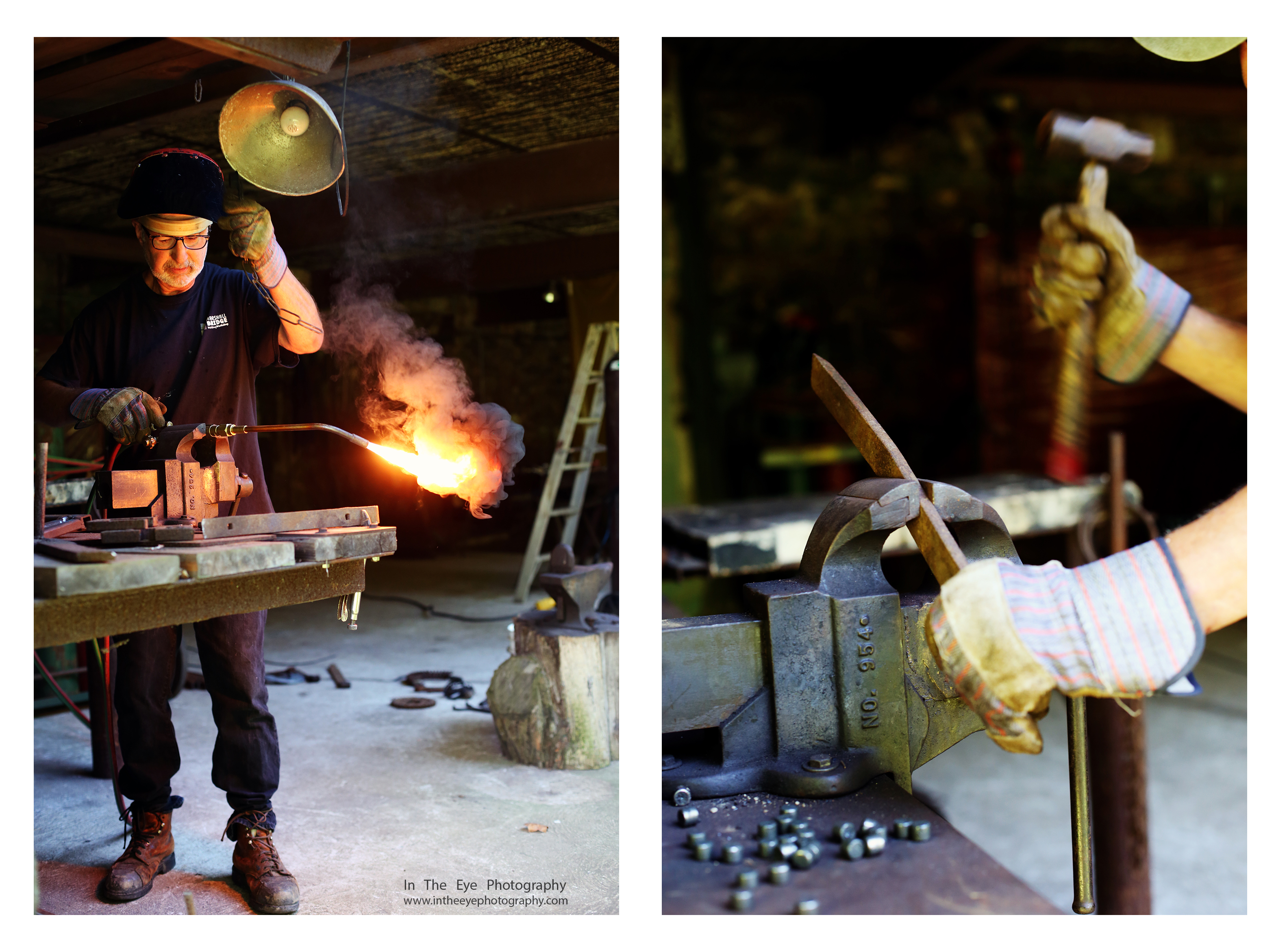
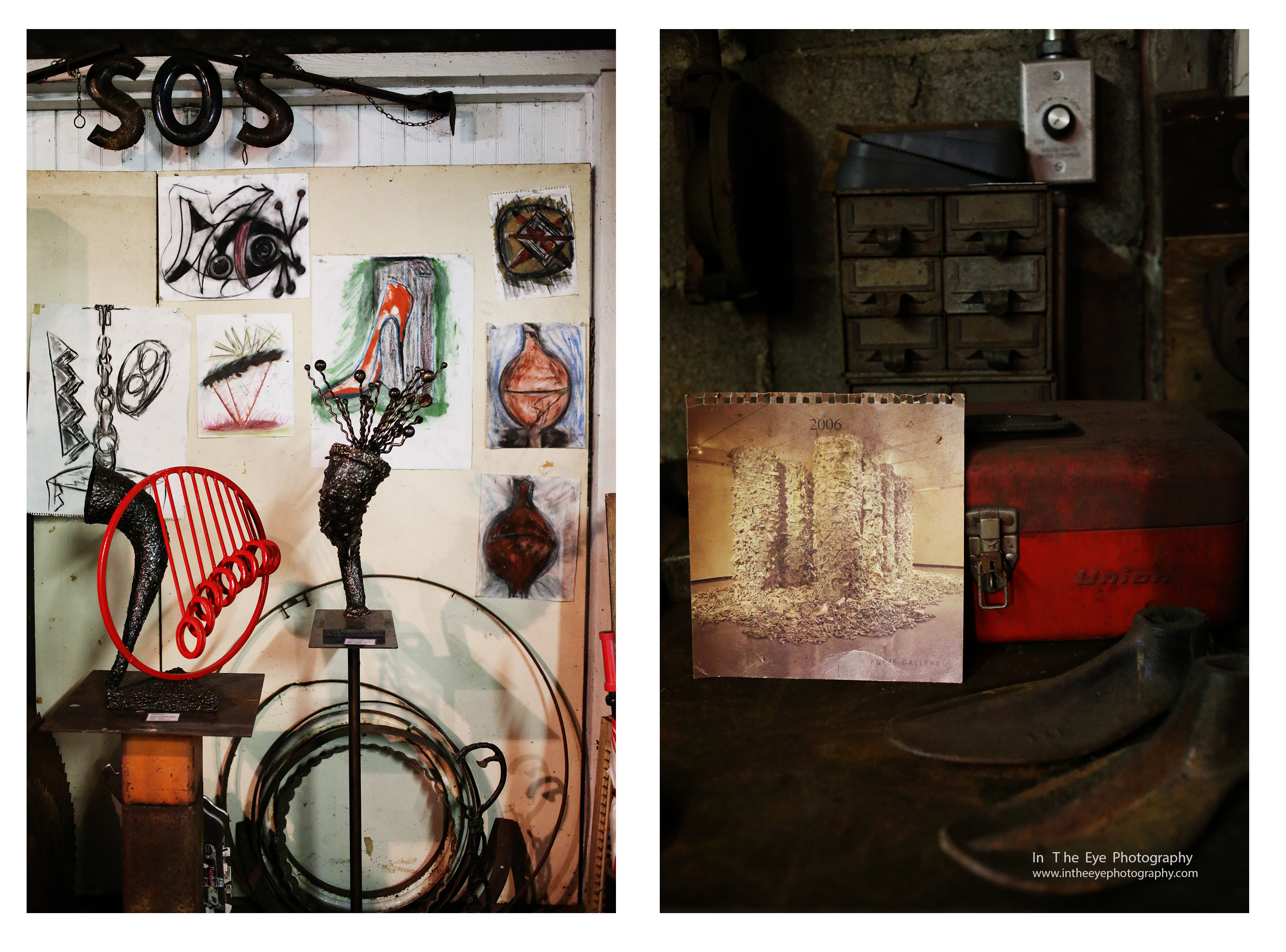
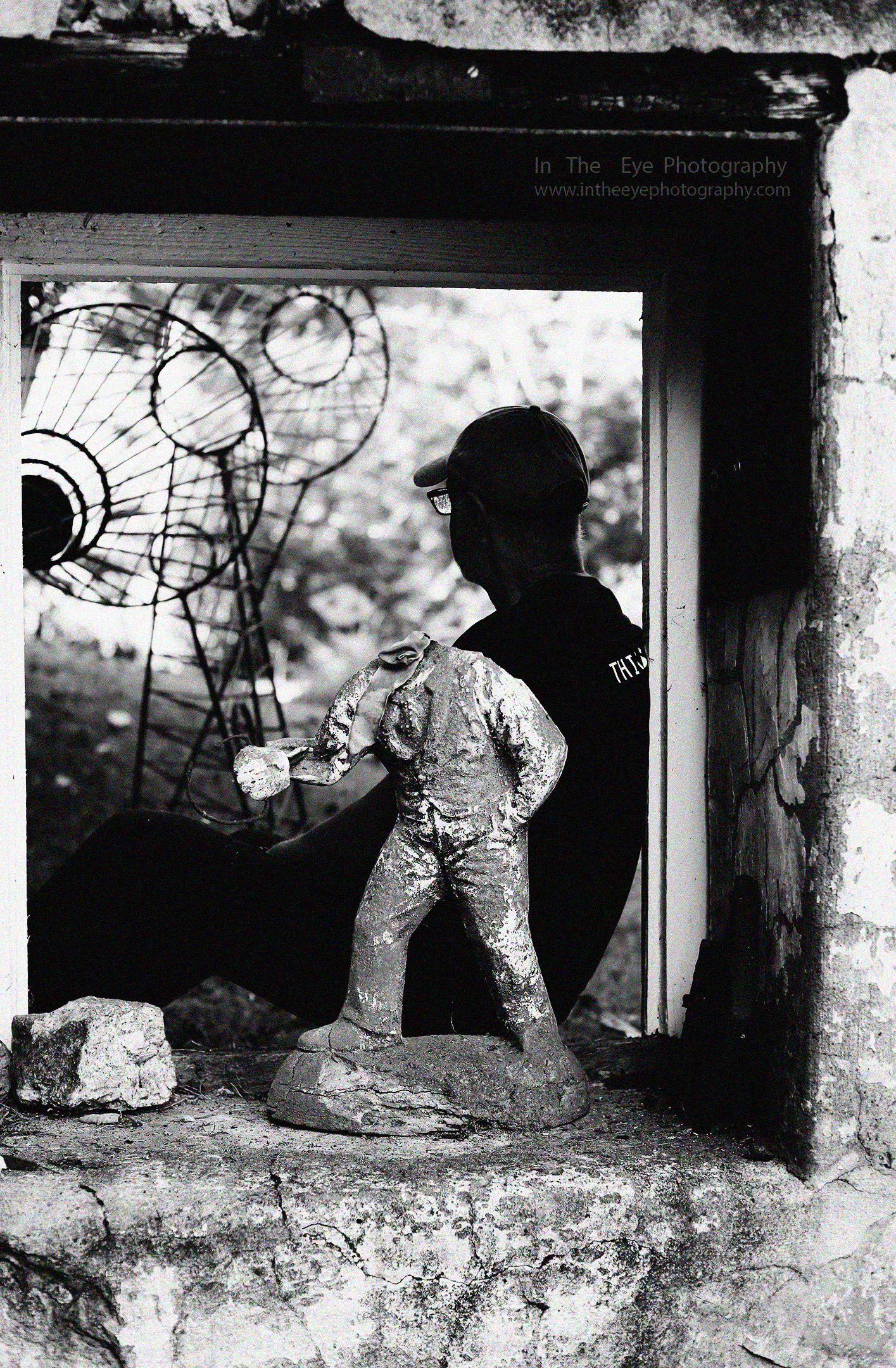
“Stan Smokler’s steel sculptures recall the visual wit and cunning assemblages of Picasso and Gonzalez, as well as the American voices of David Smith and Richard Stankiewicz.”–http://www.stansmokler.com
Did you upbringing influence your work?
I am from the Bronx, New York and I believe that the fast pace combined with my learning experience of my youth influenced my work…the use of material / recycled was always at my disposal.
Where do you get your inspiration ?
I was inspired by nature and its forms….the breathing and wrestling of the material.
What are your favorite sculptures you have made?
My work has always been with me… I do not have a favorite work… a process….from my early work; to work I plan and build today….
What are you working on now?
I am working on a figure that stands 8 feet tall…gears …lots of them….!!! lots of rust !!…. the movement will be a figure that billows and blows from the sides……..I am working on several works as I travel in time.
What do you like doing when you are not making sculptures?