Tags archives: kennettsquare

When you were a child, what did you dream of becoming?

I have always dreamt of performing! I wasn’t always sure if I would be a singer or a dancer (I originally wanted to be a background dancer for pop artists), but early on I eventually landed on being a vocalist and I have been singing ever since.

What first drew you to opera, and when did you know it was the path you wanted to follow?

I stumbled upon opera in my early teenage years. Growing up listening primarily to Motown and soul music, opera was completely foreign to me at first. But the more I studied and sang, the more my voice naturally moved in a classical direction. I am of the mindset that most voices can learn to sing multiple styles if you train the mechanism properly, but like people, voices have their own temperaments. Classical singing came to me more naturally than any other style—it just felt right.

After training formally for a while, I discovered my connection to opera was ancestral. My great-grandfather, who immigrated from Italy, loved opera and listened to the Met broadcast religiously every Saturday morning, so when I made my debut and became part of a broadcast myself, it felt like coming full circle.

Were there pivotal moments or mentors who shaped your journey as a singer?

Absolutely! I’ve had a few mentors who shaped my path so profoundly that I wouldn’t be where I am today without them. My first musical mentor came into my life when I was 12 years old, and I was fortunate that each mentor who followed appeared at just the right moment throughout my development. They were spaced a few years apart, perfectly timed, like passing a baton from one to the next. Looking back, I think what I miss most about being younger is having that many mentors and that level of support around you as you’re coming up. Once you’re more established in the field, it’s a different kind of journey.

What has been the most meaningful role or performance in your career, and why?

I have favorite roles and favorite composers, but two experiences stand out—both rooted in music that have international influences and that are outside of the standard operatic canon.

The first was A Thousand Splendid Suns at Seattle Opera, written by composer and now dear friend Sheila Silver, based on Khaled Hosseini’s novel. The story is profound on its own, but coupled with Sheila’s music, it jumped off the page. Indian music is wildly complicated – it was also quite possibly some of the most difficult music I’ve ever learned. The opera is set in Afghanistan, so the score incorporated Indian ragas with a traditional tabla player joining our Western classical orchestra. Even more amazing was that it was an entirely woman-led team, with our director being Roya Sadat, an Afghan film director who fled the Taliban herself. The entire experience was incredible.My other obvious top experience was Ainadamar at the Met last year, which was intertwined with the story of Federico García Lorca in Spain and featured music heavily influenced by flamenco. I was in a role that combined two passions of mine: song and dance. It was absolutely exhilarating.

You’re also a teaching artist. What do you hope to pass on to your students, and what do they give back to you in return?

I love my students! My studio ranges from ages 9 to 92, with students from all different musical backgrounds. What I hope to pass on is a sense of creative autonomy—that they are the creators. I have clear teaching goals, but this isn’t school where they’re told what to do. We reach the same destination through very different paths, and each student’s passions dictate how we get there. That’s what being an artist is really like—we thrive when we lean into what calls us on a soul level, which is different for everyone.Additionally, when I was young, I had to venture outside my circles to find a teacher who could prepare me for the level I wanted to reach. We eventually found her, but it meant driving 1.5 to 2 hours each way every week. When I started my studio, I wanted to be that one-stop spot for people so they wouldn’t have to search as far as I did.My students give me so much—they remind me to stay flexible, to be present, to cultivate what brings us joy. They make me laugh, they let me into their lives weekly, they trust me to prepare their performances. The list is endless. I’m just honored to play a small part in their musical journey.

Beyond singing, you’re a writer and speaker. How do these parts of your work connect with your music?

Most of my writing and lecturing is deeply rooted in my experience as a performer. I wrote an article for the Huffington Post about a poignant experience overseas that changed my perspective on performing, and when I’m asked to speak or lecture, it’s usually for performers. One of my favorite workshops to teach is one that is a collaboration with a social worker from Penn Medicine called Stage Ready, about performance anxiety and how it affects us on and off stage. That class, as you can imagine, is usually full… Managing nervous system stress is one of the most challenging parts of being a performer.

What advice would you give to women pursuing a creative life today? 

Children learn from mirroring, and there is a little girl out there who needs to know she’s free to be herself. 


Who is a woman, from the past or present, that you admire or find inspiring?

My favorite artist of all time across all genres is Chavela Vargas, a ranchera singer. She was so defiant and authentic in a time period that found everything about her blasphemous. Ranchera is a genre in Mexico that was traditionally only sung by men—until she came along. Her sound is visceral and imperfect, and I find her authenticity and wildness inspiring. 

You can check Gina’s website here: https://ginaperregrino.com/


Please tell us a little bit about yourself and your club?

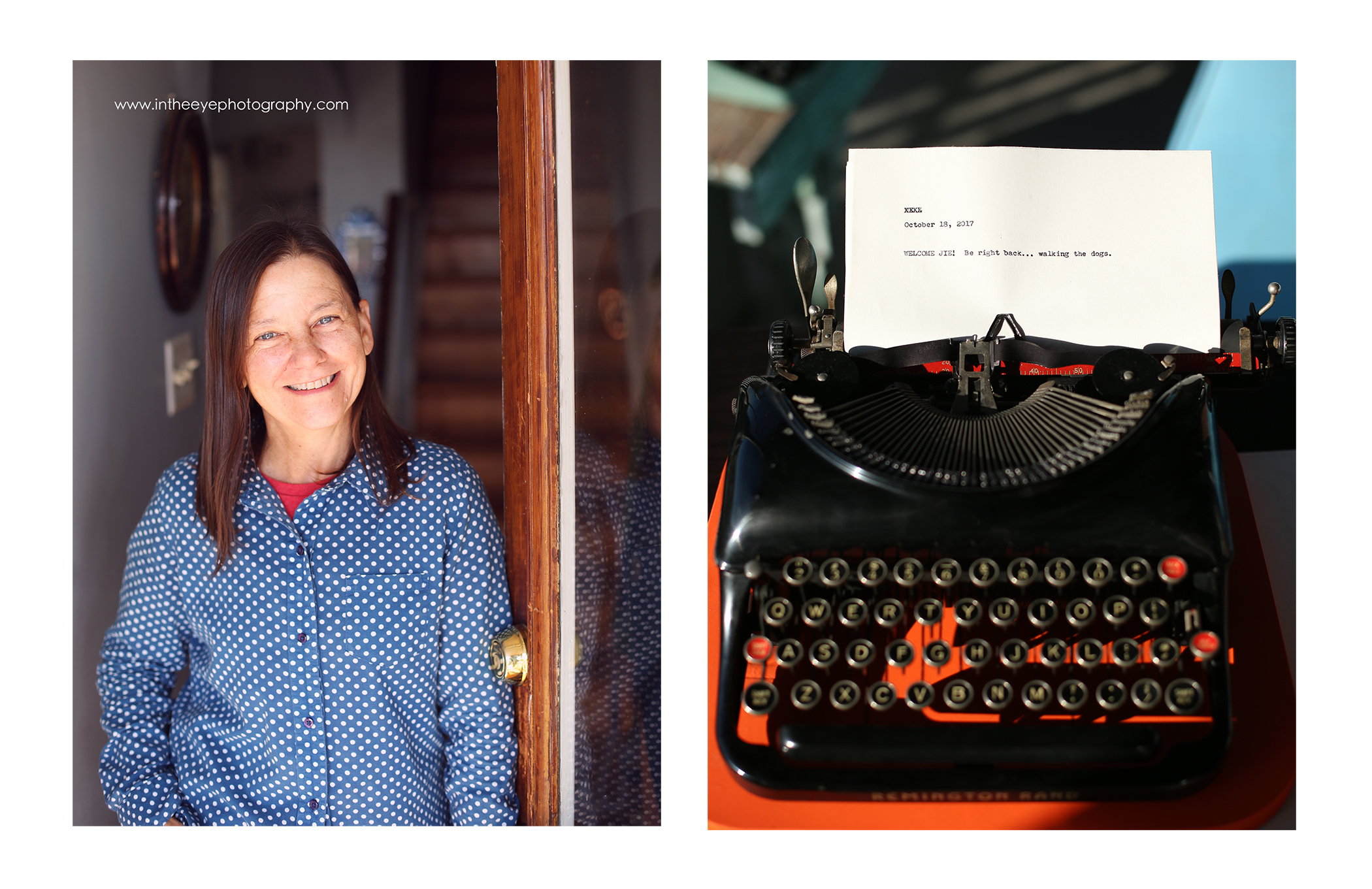
I started ksqQWERTY very recently.  I am a writer and wanted a way to experience the combined fun of writing with my enthusiasm for the typewriter.  I thought it would be perfect to bring the two together in occasional and random pop-ups in and around Kennett Square. I hope to find other enthusiasts with typewriters to do some type-ins around town…maybe at the Kennett Library where I work or at one of the great coffee shops in town or at one of the many great events and venues Kennett is so prone to having!

How long have you been use a typewriter? and Why?

I had been carrying around a beautiful little portable typewriter that I found over 25 years ago at a thrift store in Philadelphia. I would type on it very occasionally but didn’t know how to maintain it or get ribbons for it and it eventually just sat on a shelf for many years.  Then no long ago, one very serendipitous and providential day, I met someone who was also an avid typewriter enthusiast and that sparked the motivation to actualize QWERTY.  I’ve been typing since.

How many typewriters do you have?  What’s their personality? 

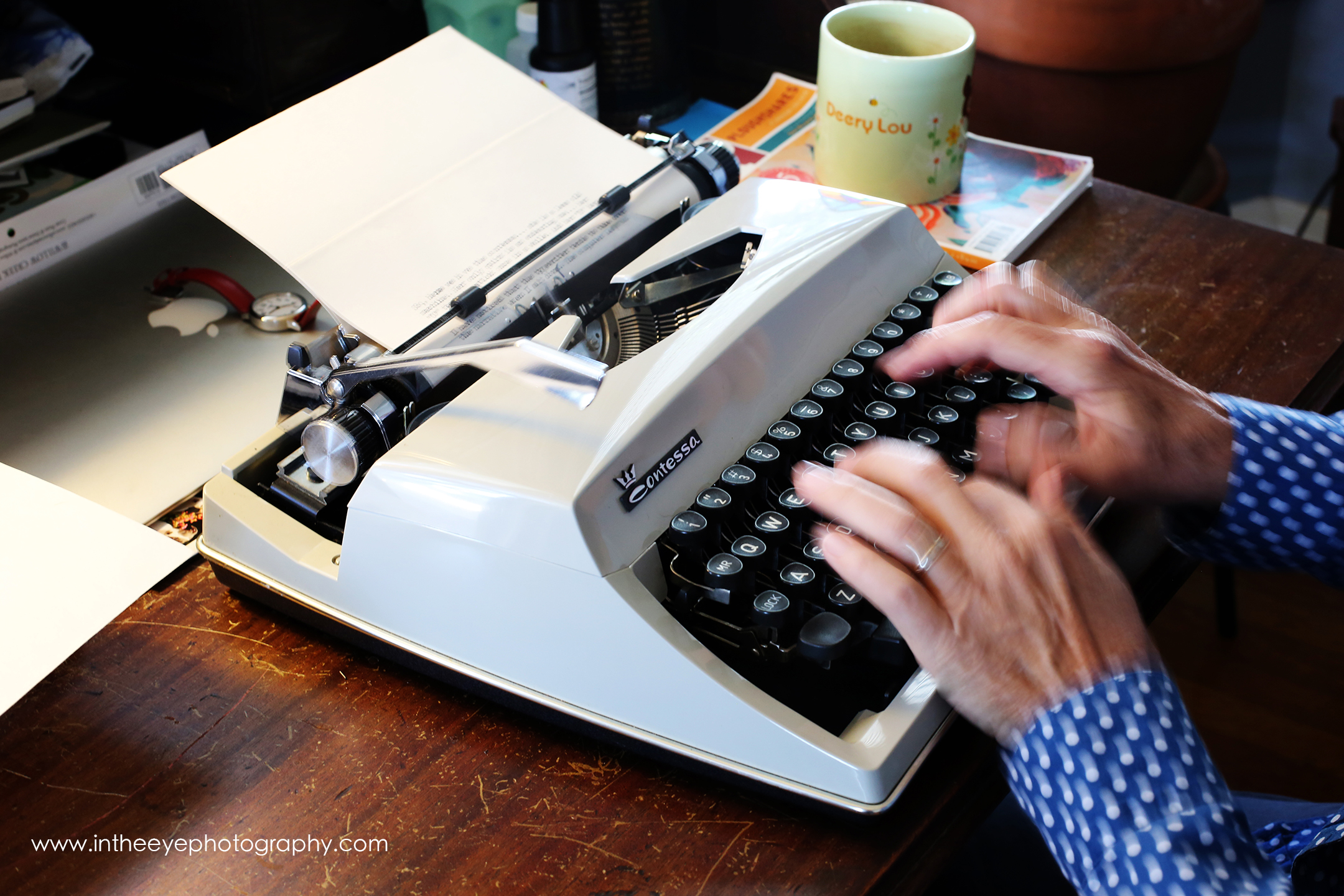
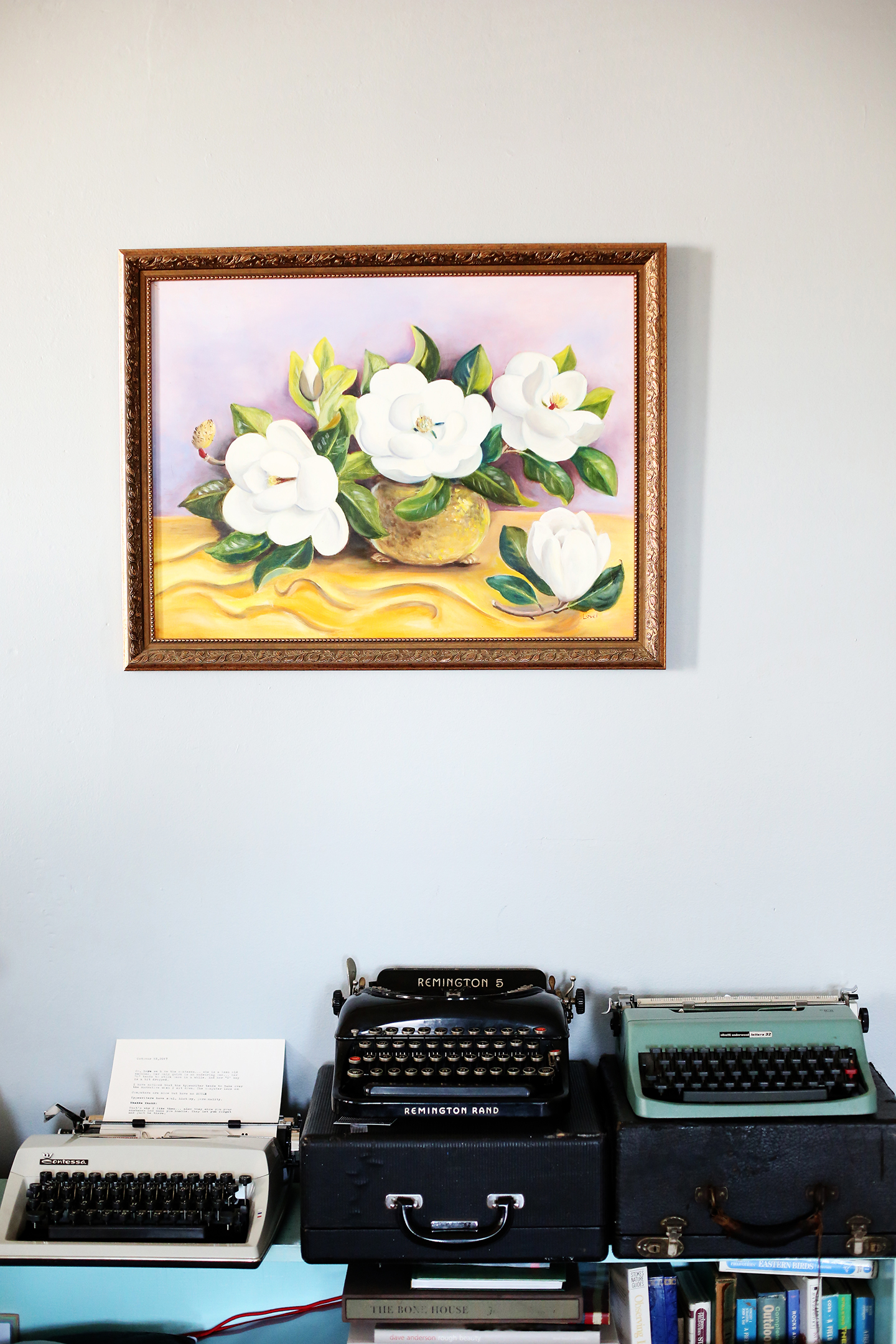
I now have 9 typewriters and, as my son recently pointed out, they are each my favorite! My Olivetti Lettera 32 was my first typewriter – the one I found in the thrift store for $10. The next was a Adler Contessa also found at a thrift store. I have several older typewriter dating from the 40s and late 30s. They are gorgeous black shiny machines with little quirks that make them more easy to look at than type with. My most recent additions (kindly gifted to me by a total stranger who saw me at the Kennett Farmers Market) are a Smith Corona, a sturdy handsome thing that I will most likely use for most of my writing and also a lovely, lightweight turquoise portable Smith Corona from probably the 70s – perfect for taking out for a pop up event!


Can you talk a little about your project? 

Typing for the love of typing is fun (as opposed to having to type an over-due term paper full of type-o’s or typing office memoranda for an impatient boss under a looming deadline, also full of type-o’s). I love the snap the keys and seeing the type bars swing up and smack the paper and make the letters that march along forming words. Its like a little letter press! I love the bright “ding”! at the end of the line and “raaap” of the return carrier to start a new line. It makes writing a very physical, active, tactile, whole experience. Also typing is evidence of errors… they happen, you move on. Sometimes the errors have beauty and meaning, which I like. Sometimes they are annoying and uncomfortable, which is a good exercise in humility and living with imperfection.

 I feel connected to the making of the thing when I type. It pushes the process of writing beyond the conceptual/cerebral domain of working on a computer (it also doesn’t have the inherent distractions, such as Google, weather checks, email updates, etc… ) Writing on a typewriter is more emphatic and committed than writing with a pen or pencil. Though I write in all the above forms, and each lends to a slightly different product, I am currently infatuated with writing on and thinking about the typewriter.  Plus they are all just so beautiful!


          How did you get into music?

 My father is an avid music lover, and as a young child we would listen to records of his favorite        classical pieces. I think that is when I first got the music bug.  I then began learning the piano, and my piano teacher during my high school years thought I might be interested in conducting. That was when I began to explore conducting opportunities, My first time on the podium was with an amateur orchestra, and I remember it being much harder than I thought it would be. How hard could it be to wave your arms, I thought!  Nevertheless,  the thrill of conducting an orchestra was undeniable, and I have been  fortunate enough to have  those opportunities ever since.

What do you find to be the most challenging part of being a conductor?
The joy of conducting is bringing a great work of art to life.  The great irony is that on the one hand you make no sound at all, but on the other hand you are responsible for all that happens on the stage. One of the great challenges is to establish a musical chemistry with the orchestra such that collectively you produce a performance of the highest emotional and communicative power.  This begins with a great amount of  private score study, an ability to rehearse effectively often with only a few rehearsals, and then giving the orchestra the impetus and inspiration the music needs in performance. 
What is one piece that you’ve always wanted to conduct?  -And have you had that chance yet?
There are so many pieces that are thrilling to conduct, some I have gotten the chance to and others that I haven’t. One of my career highlights was conducting  Mahler’s 2nd Symphony. It is work that in Mahler’s words ‘encompasses the whole world’. It expresses the full range of emotions that we as human beings experience. The music also requires a very large orchestra, chorus and vocal soloists.   The power and the tenderness in the work are compelling.  It takes one on a emotional journey that stays with you long after the performance.  
 
 What are you listening to in your car (ipod, etc) right now?
​ 
When I am in the car on my own, I  most often listen to sports radio. When my fiance is with me, we will sometimes listen to 80’s stations. I don’t usually listen to classical music unless it is pieces I am working on. Every now and then, however, I will go on a stretch of  listening to classical pieces that I do not know to broaden my knowledge of the repertoire.
What do you think about Kennett Square? 
From the minute I came to Kennett Square for my audition, I was taken by the beauty and quaintness of the region.  That was almost 4 years ago. My family and I enjoy walking on State St, browsing the shops and enjoying a coffee or a bite to eat at the Market. In fact, we recently moved into the borough and are thrilled. It is an honor to be the Music Director of the Kennett Symphony and to work with these very talented professional musicians. If you haven’t enjoyed a concert of the Kennett Symphony, I invite you to come and enjoy one of our many concerts. 
 

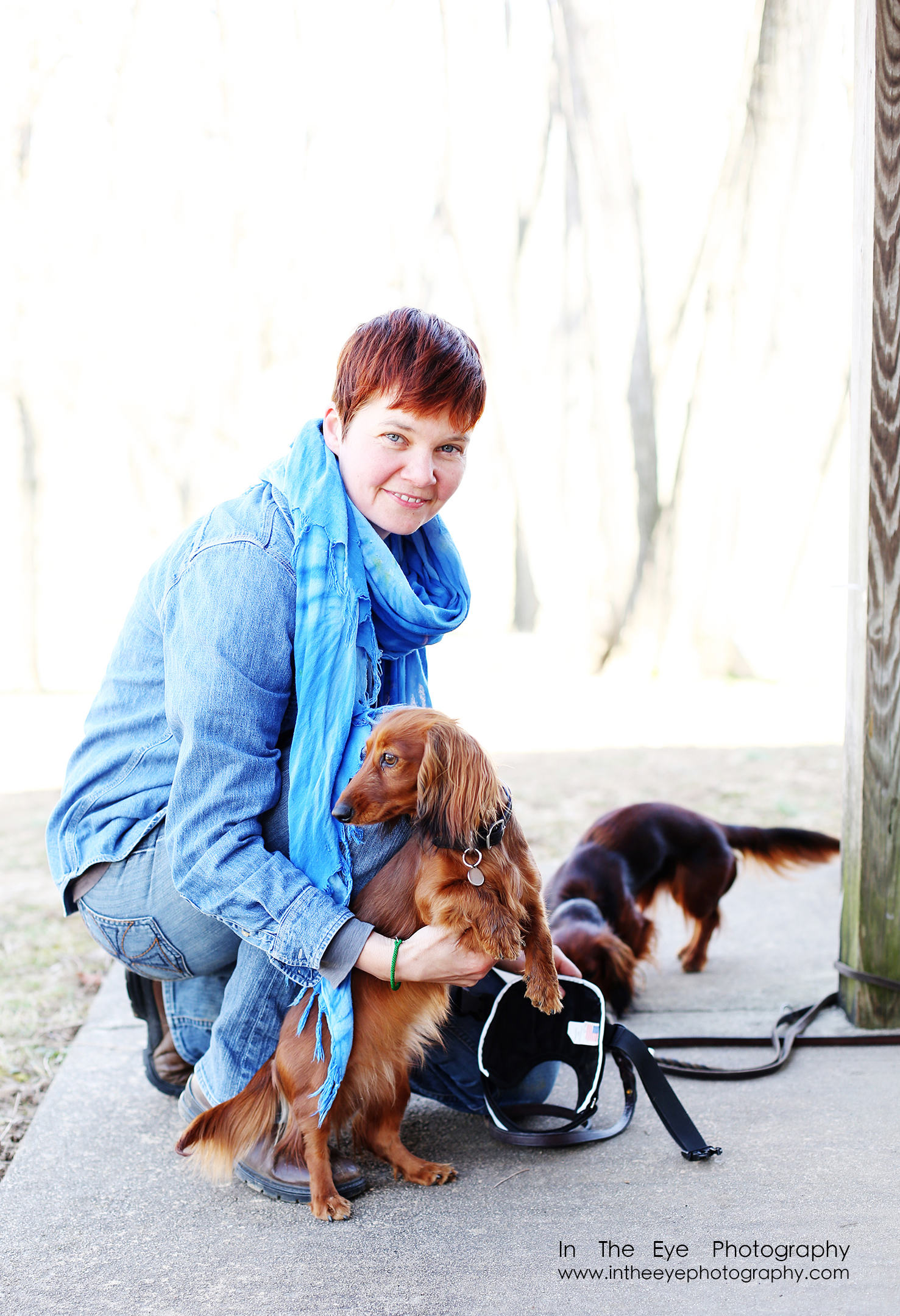
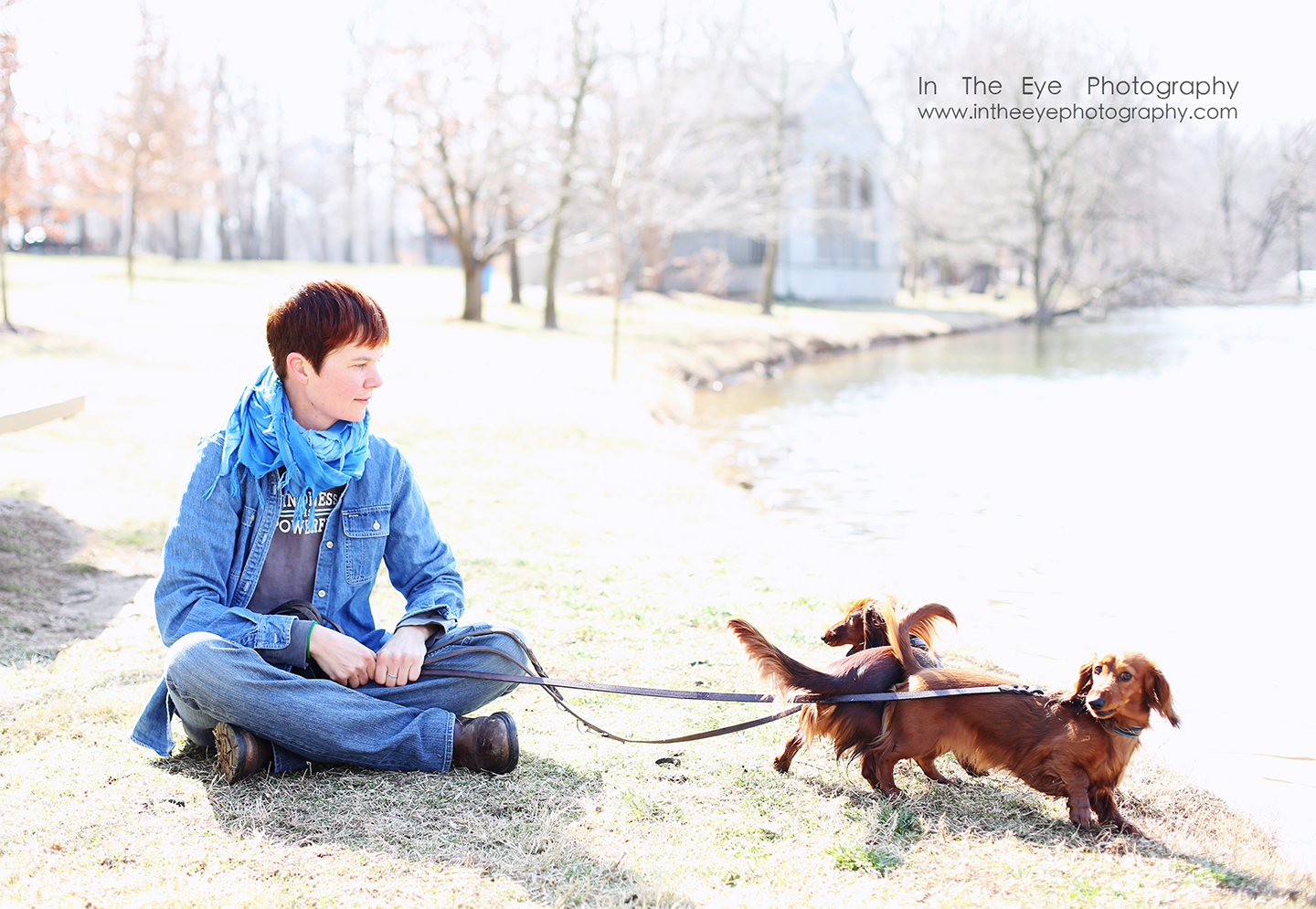
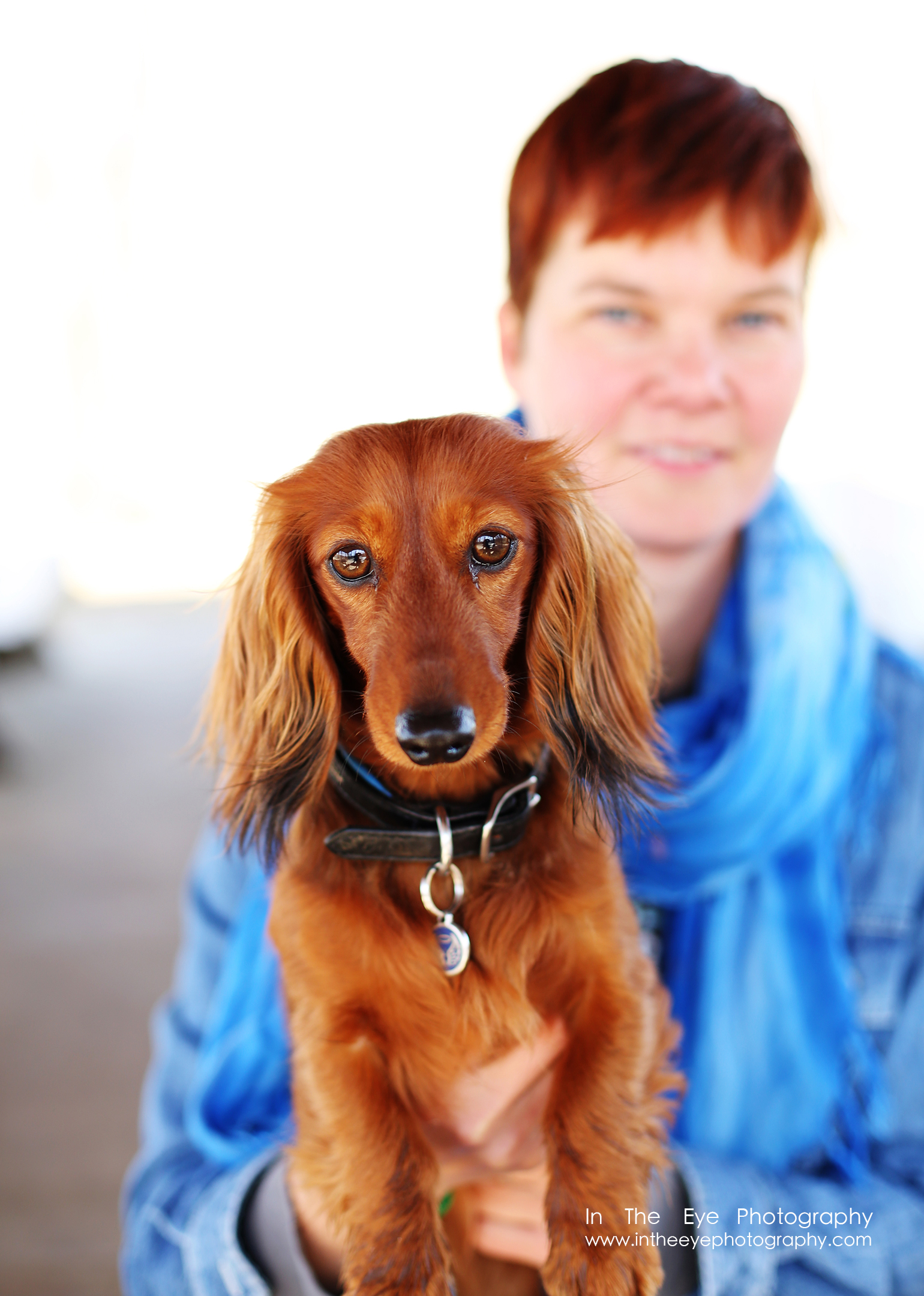
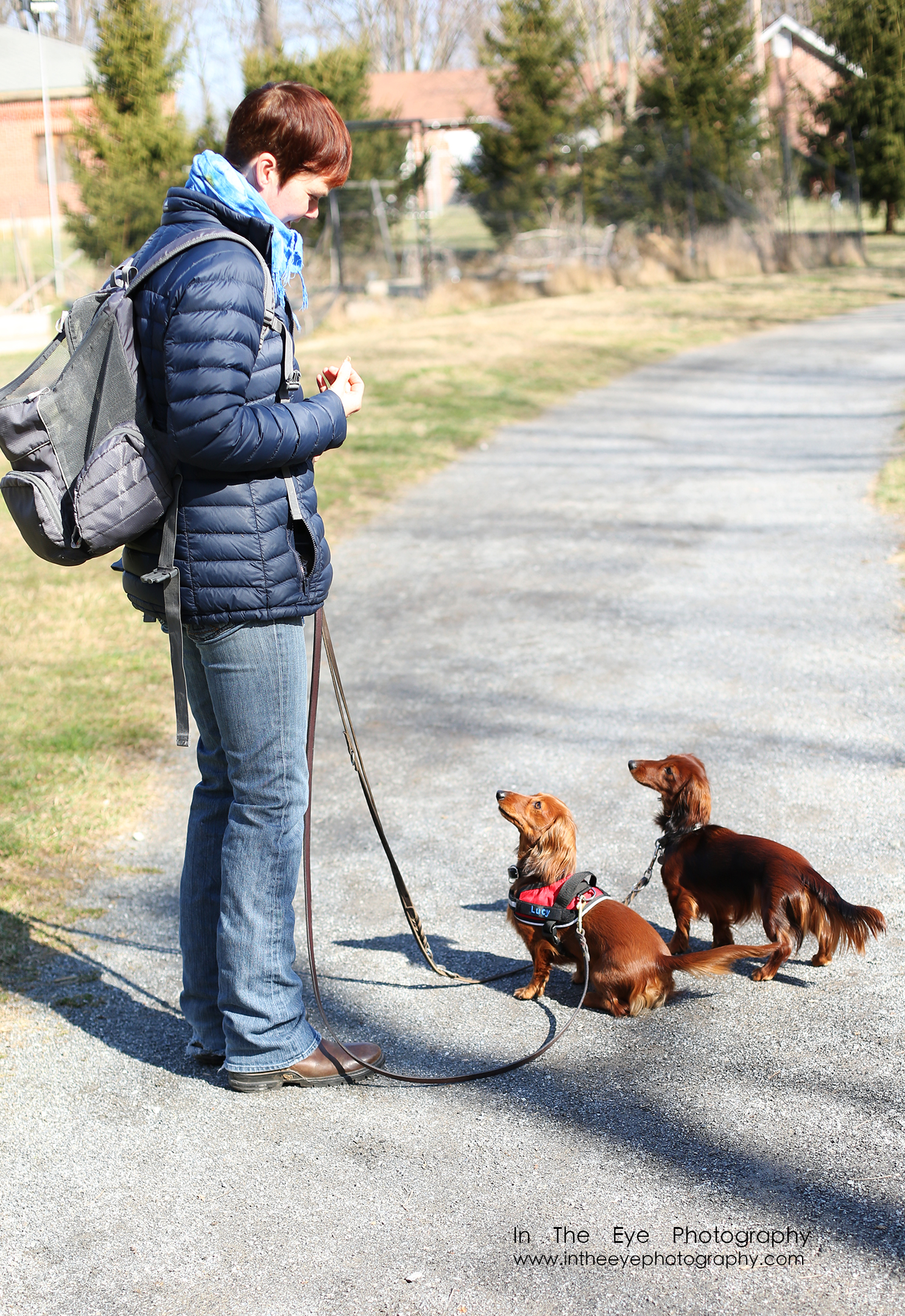
Meet Maike– a professional dog trainer. She came from Germany and has lived in PA for twenty years.


I heard you came from Germany. Can you talk a little bit about that? 

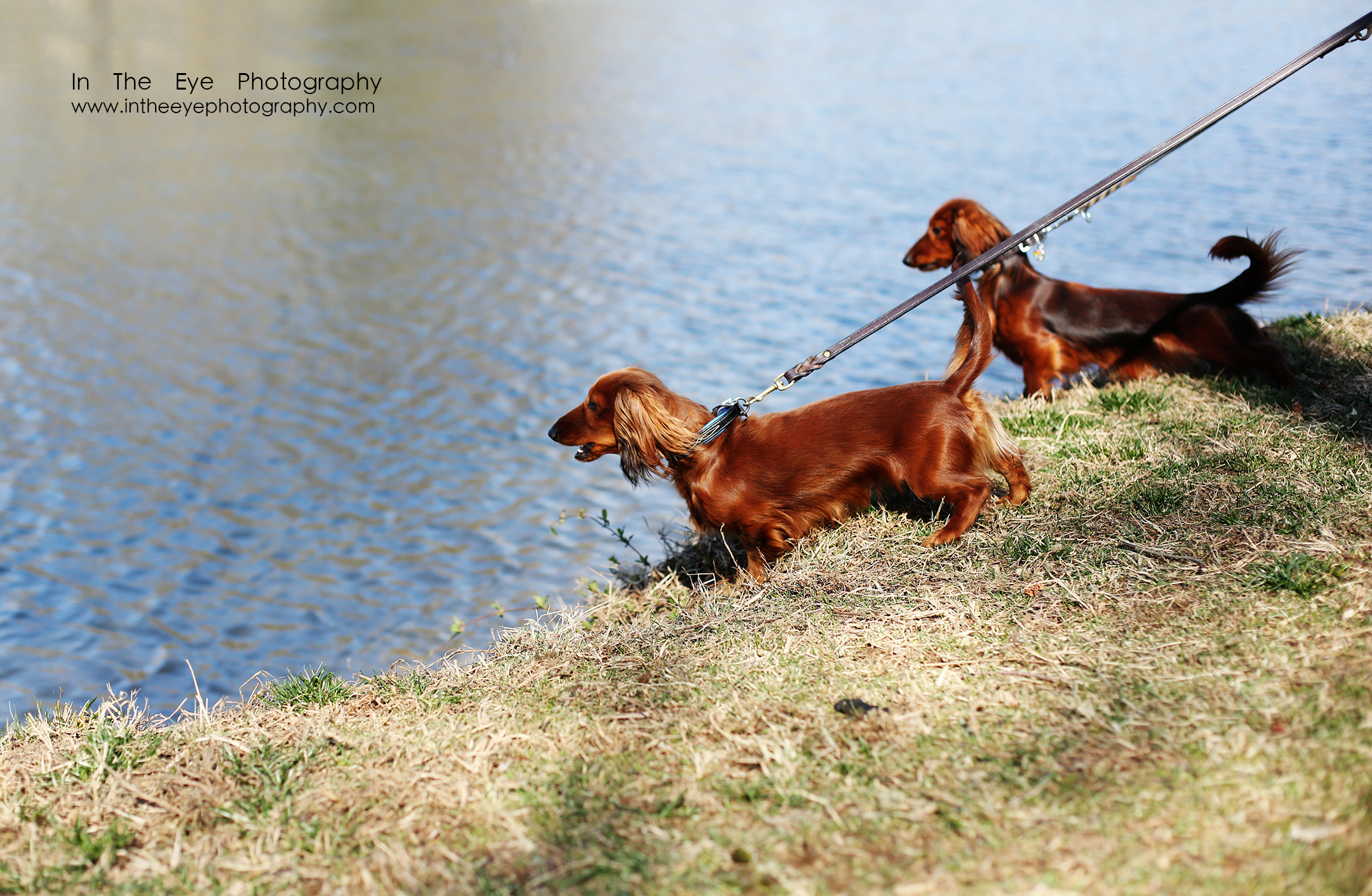
Yes. I grew up on the outskirts of Heide in Schleswig-Holstein, about an hour North of Hamburg. My childhood in Germany was amazing. My grandmother had dachshunds when I was a child, which led me to longhaired dachshunds as my breed of choice today (they remind me so much of home and childhood). Dachshunds may not be for everybody, since they are very independent and can be a challenge to train, but I enjoy their personality and adventurous spirit. My dog Lucy had her first litter of puppies in the spring of 2016 and I kept a girl (Ruby Sue) as a companion for her. I am rarely seen without my dogs.

What did you do before you become a dog trainer? 

I hold a Bachelor’s degree in Elementary Education and a Master’s degree in Teaching English as a Second Language. I have worked with ESL learners in adult language programs as well as elementary schools. I found the perfect balance to my scholarly pursuits in working with large and small animals around Chester County Pennsylvania. To balance my studies I have managed Eventing stable and quiet country farm boarding operations. Through my equestrian connections, I then became a dog walker and pet sitter (in my experience every horse person generally has at least one dog). Overall, I find the work with animals endlessly rewarding and it is ultimately best suited to my quiet nature.

Why do you want to be dog trainer? 

My interactions with dogs challenge me in ways that keep me continuously exploring and growing as a person. I enjoy helping people and want to see dogs and their humans learn to communicate as a team. Personally, I am most interested in the canine behavior aspect of dog training. Since understanding dogs has always come naturally to me, I feel like I have knowledge to impart that can bring people closer to living in true harmony with their canine companions. I am currently enrolled in the Victoria Stilwell Academy for Dog Training and Behavior to further my education.


What was your first dog training experience? 

My grandmother’s dachshunds always found me as a child, but my parents did not allow my to have my first dog until I was 18. Jeannie was a Golden Retriever/Collie/Chow Chow mix and my first true dog training challenge. She came to me at 8 weeks and was my shadow in all my adventures outside of school. She was fiercely loyal to my family, but reactive to strangers. My parents ultimately kept her when I moved to the US, but I have since worked with many dogs that mirrored her “take no prisoners” attitude.

Can you give people 3 tips about dog training? 

The best advice I can give people is to:


–       Take the time to understand what your dog is trying to tell you.

–       Use positive reinforcement when training your dog.

–       Have patience in your training and always treat your best friend with kindness.

Maike Singelmann can be reached at  Email: maikesingelmann@yahoo.com  Phone: 267-902-9433

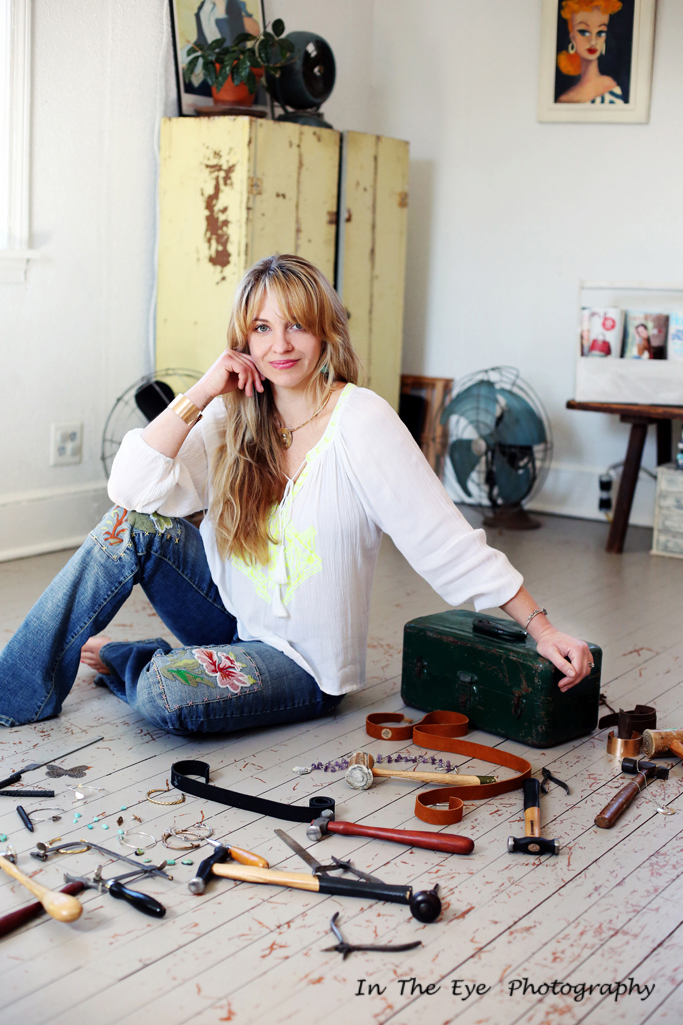
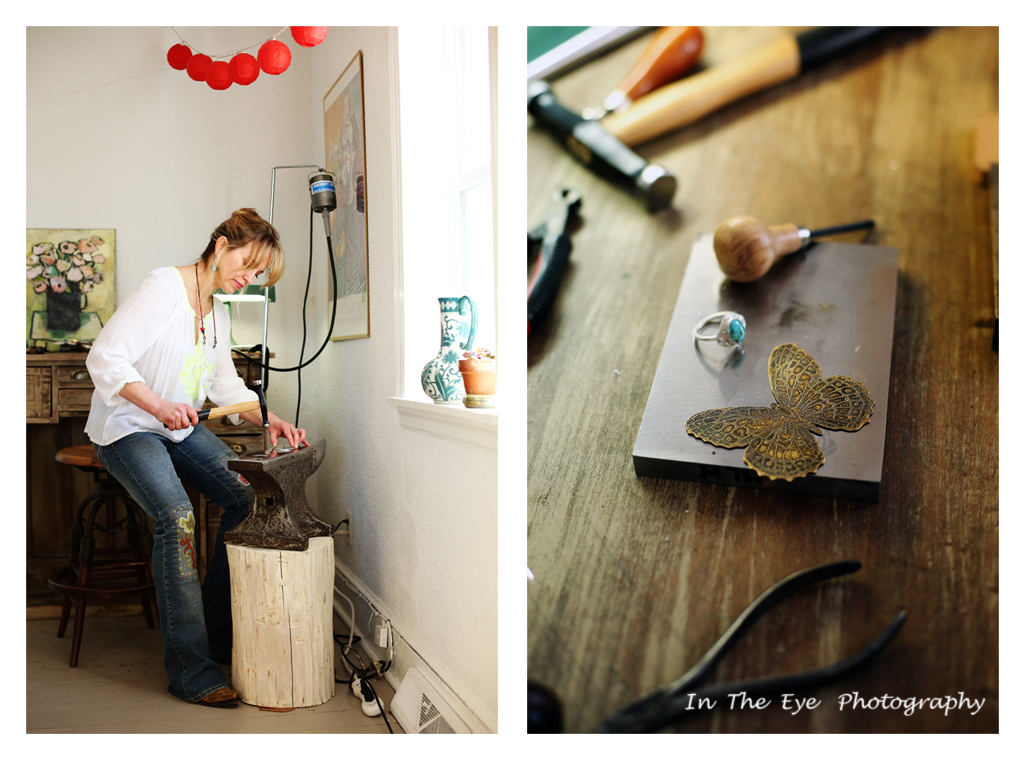
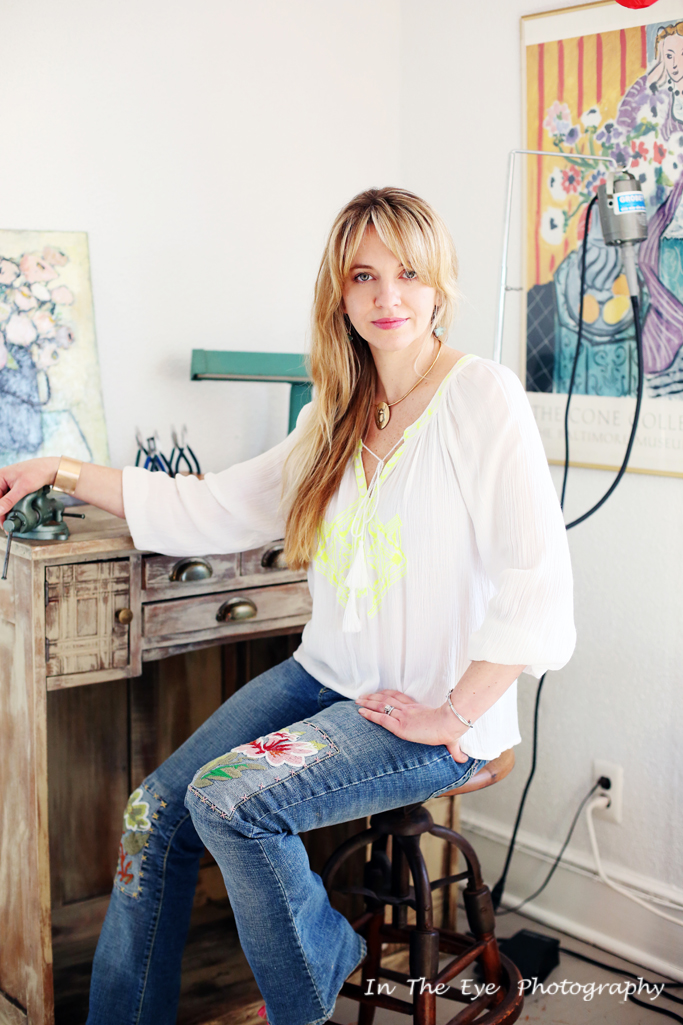
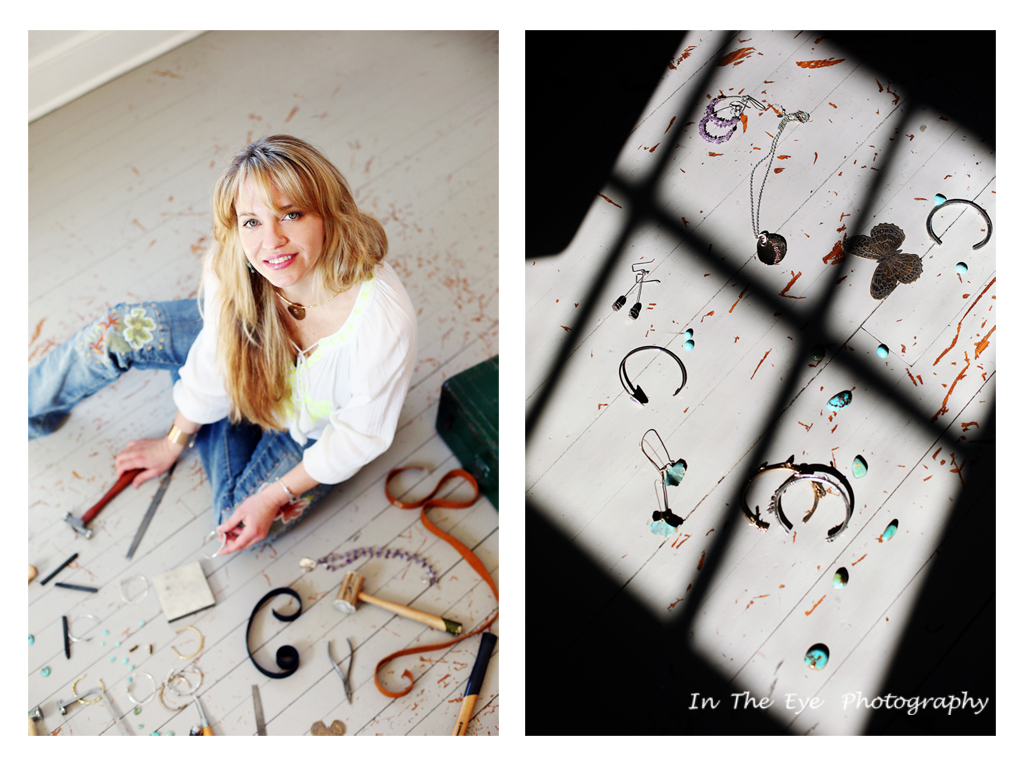
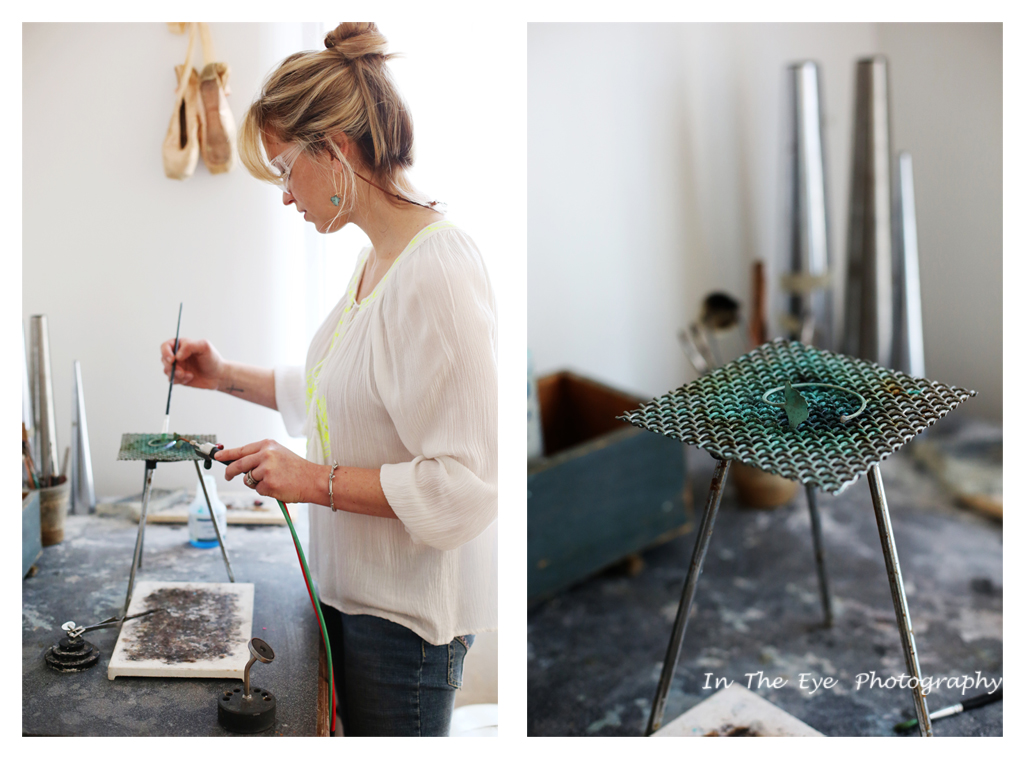
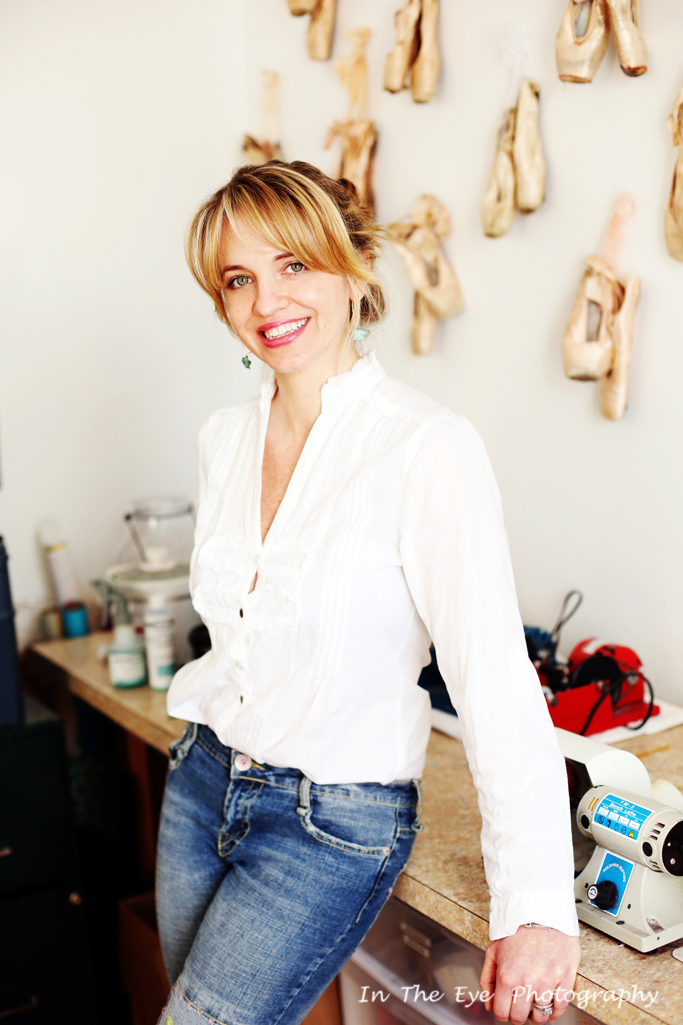
Meet talented Hattie, from a ballerina to a sculptor. Now she is a self taught hand crafted jewelry designer in Kennett Square.

h3

What did you do before you start jewelry design?

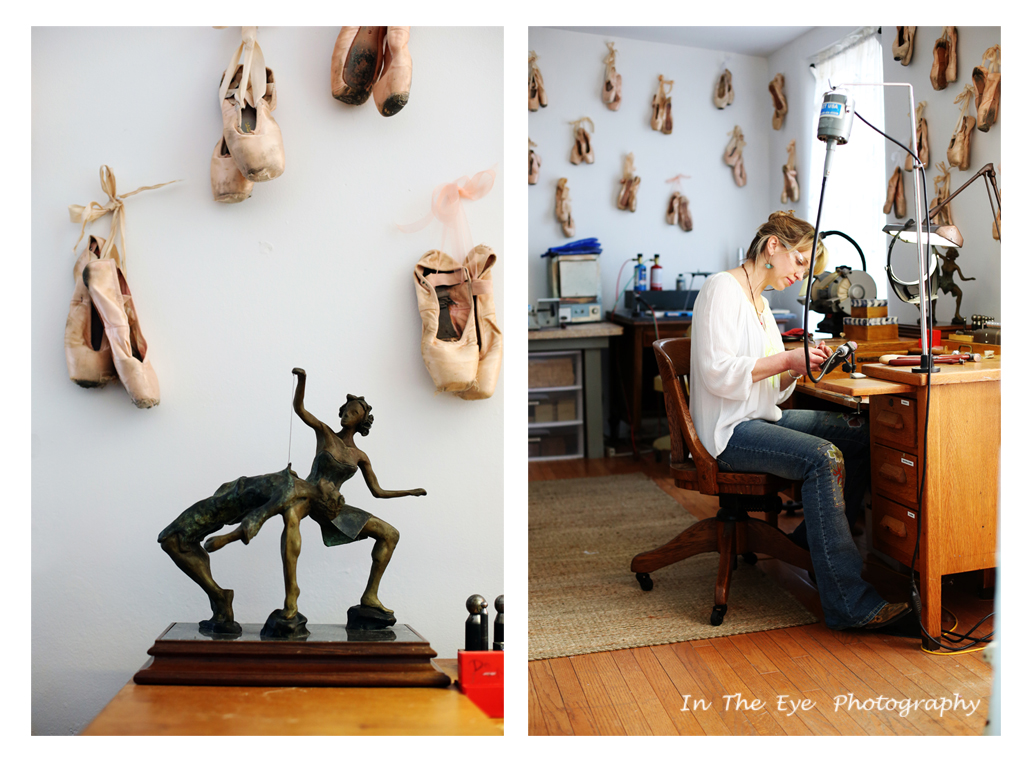
When I was 4 years old I began intensive training in ballet. I was pigeon-toed and the doctor advised my mother that ballet would help straighten my legs. I quickly ended up taking 10 classes a week and when I was 14, I was accepted into The School of American Ballet at Juilliard in New York City. After that, I was a principal ballerina with the Brandywine Ballet Company for 9 years and, later, danced with Opus 1 Contemporary of Philadelphia as well as guest performed with many theatres and other dance companies. I began teaching ballet in 2001 and only recently have had to cut back to one day a week as it’s all my growing jewelry schedule will allow. In my early twenties, I also modeled as a ballerina for a sculpture class and found myself eager to learn how to sculpt. I took a class and began sculpting, later exhibiting my bronze dancers locally in galleries and art exhibits.

h5

What lead you to beginning to work with jewelry?

In 2006, I stopped dancing professionally and began my family. I enjoyed sculpture but it was expensive to have bronzed. But, without dance or sculpture, I found I still needed an artistic outlet. I picked up an instructional book on beading and wirewrapping at a local craft store and that night I think I made 30 pairs of earrings. I was hooked.

h4

Where do you find your inspiration?

My inspiration comes from everything around me. I love to garden and often am inspired by nature and its beauty and movement. I am currently fascinated with ancient Egyptian artifacts and patinas. I typically don’t sketch out or plan my designs. I have a general idea or inspiration, start grabbing materials and get to work.


h2

Who do you envision wearing your work? Do you think about this when you work on designs?

I strive to make jewelry that people want to wear. I try to make a variety that appeals to all ages and styles. I believe it is important to learn as many techniques as you can but that doesn’t mean you need to pull out all the stops in every single creation. I often find that the pieces people find the most appealing are the simplest.


h7

The most meaningful piece of jewelry you own is?

My favorite piece is my ‘Wrapped in Lavender Cuff’. It was the most technically challenging piece I have ever made and, because of that, the most rewarding. It was a lengthy process but when I finished it, I remember feeling proud of myself.


h6

ha10


Do you have a favorite jewelry designer that you admire?

I admire so many artists but I guess you could say my idol is jewelry artist, Jeanine Payer. She has recently closed her studio doors but I was fortunate to have been given a couple of her pieces and absolutely fell in love with the simplicity and feminine quality of her work. It remains an inspiration to me.


Check Hattie’s work here: Hattie Weselyk Jewelry